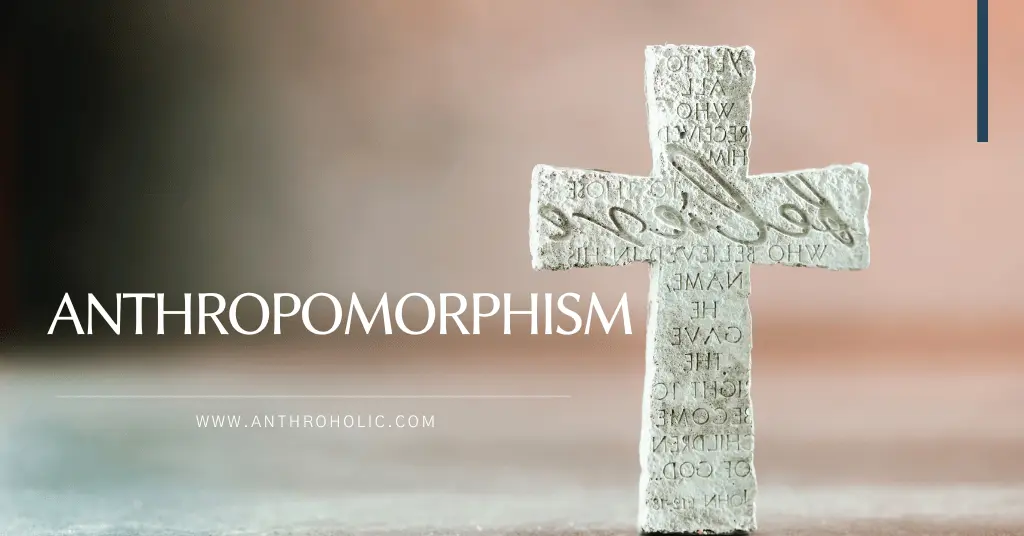
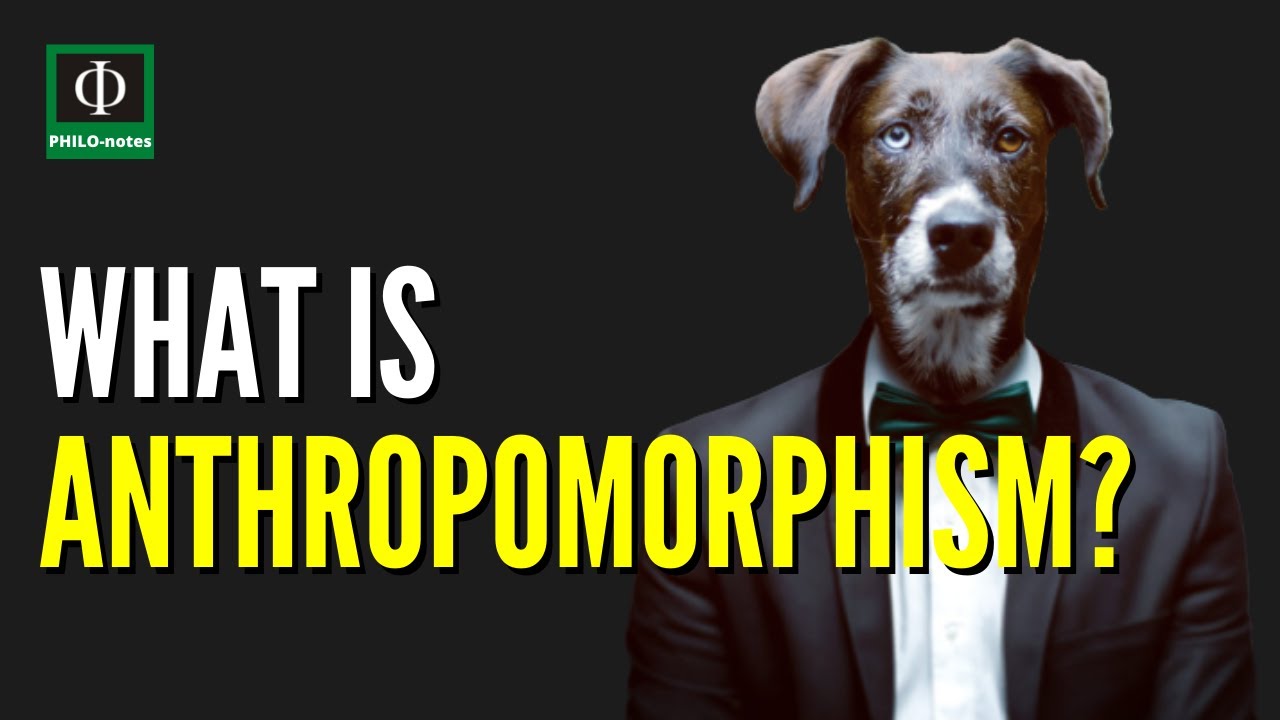
At some point in our lives, we’ve all caught ourselves attributing human emotions, intentions, or even consciousness to non-human entities—whether it’s scolding a stubborn toaster for failing to pop, whispering apologies to a car that won’t start, or believing our pet’s guilty stare after knocking over a vase. This pervasive tendency, known as anthropomorphism, transcends mere quirks of imagination; it is a fundamental lens through which we interpret the world. But why does this cognitive shortcut captivate us so deeply? What does it reveal about the human mind, our relationship with the unknown, and the very fabric of meaning we weave into existence?
The Allure of the Familiar: Why We See Ourselves in Everything
Anthropomorphism is not a modern invention—it is an ancient instinct. From the earliest cave paintings depicting animals with human-like postures to the pantheons of gods who walked, spoke, and loved like mortals, humanity has long sought to humanize the non-human. This impulse stems from our brain’s relentless pursuit of pattern recognition, a survival mechanism honed over millennia. When we perceive agency in the inanimate, we reduce uncertainty, transforming the chaotic into the comprehensible. A rustling bush becomes a lurking predator; a flickering streetlamp, a watchful guardian. Yet this cognitive shorthand extends beyond mere survival—it is a testament to our need for connection, even in the most unlikely of places.
The phenomenon is not confined to the realm of the supernatural or the whimsical. Modern technology has only amplified our anthropomorphic tendencies. Smartphones “glow” with “emotions,” cars “purr” like contented felines, and virtual assistants “listen” and “respond” with eerie precision. This blurring of boundaries between the human and the machine reflects a deeper truth: we are wired to seek reciprocity in our interactions, even when the recipient is a silicon-based construct. The philosopher John Dewey once noted that we project our own experiences onto the world because, fundamentally, we have no other framework to understand it. In this light, anthropomorphism is less a distortion of reality and more a bridge between the known and the unknowable.
The Cognitive Machinery Behind the Magic
To understand why anthropomorphism feels so instinctive, we must examine the neural underpinnings of this phenomenon. Studies in cognitive psychology suggest that our brains employ a process called “intentional stance,” a term coined by philosopher Daniel Dennett. This stance assumes that entities—whether a river, a robot, or a deity—act with purpose, even when their actions defy logical explanation. This default setting allows us to navigate a complex world with minimal cognitive load. Imagine trying to predict the trajectory of a storm without attributing some form of agency to it; the task becomes paralyzing. By anthropomorphizing, we impose order on chaos, transforming the incomprehensible into a narrative we can engage with.
Neuroscientifically, this process is linked to the brain’s mirror neuron system, which fires not only when we perform an action but also when we observe someone else performing it. This neural mirroring fosters empathy and allows us to “feel” the actions of others—even if those others are not human. When we see a robot arm grasp an object, our brains simulate the motion as if we were performing it ourselves. This simulation blurs the line between self and other, making anthropomorphism feel less like a leap of imagination and more like an inevitable extension of our own embodied experience. The result is a world that feels alive, responsive, and, above all, familiar.
The Double-Edged Sword: Benefits and Pitfalls of Seeing Faces in the Clouds
Anthropomorphism is not without its paradoxes. On one hand, it fosters empathy, enabling us to connect with animals, ecosystems, and even abstract concepts like justice or fate. The conservationist who fights to save endangered species does so because they see in those creatures a reflection of their own struggles and joys. Similarly, the artist who personifies a storm or a mountain in their work taps into a universal language of emotion, making the sublime tangible. In this sense, anthropomorphism is a tool of creativity and moral expansion, allowing us to extend our circle of concern beyond the human.
Yet this same tendency can lead us astray. The dangers of anthropomorphism are most evident in our relationship with technology. When we imbue artificial intelligence with human-like desires or ethical frameworks, we risk creating systems that reflect our biases rather than objective reality. A self-driving car programmed to “care” about passenger safety might prioritize human lives over those of animals—a moral choice that is not inherent to the machine but imposed by its human creators. Similarly, the anthropomorphizing of corporations or nations as “actors” with intentions can obscure the complex, systemic forces at play, reducing accountability to a simplistic narrative of good versus evil.
Even in our personal lives, the unchecked projection of human traits onto non-human entities can distort our perceptions. The pet owner who believes their dog is “guilty” after an accident may misinterpret subtle cues of fear or submission as moral culpability. The gambler who talks to a slot machine as if it were a sentient being may delude themselves into believing luck is a fickle friend rather than a statistical abstraction. These examples highlight a critical tension: anthropomorphism can illuminate or obfuscate, depending on whether we wield it with awareness or surrender to its seductive allure.
Anthropomorphism in Myth, Religion, and the Arts: The Echoes of the Divine
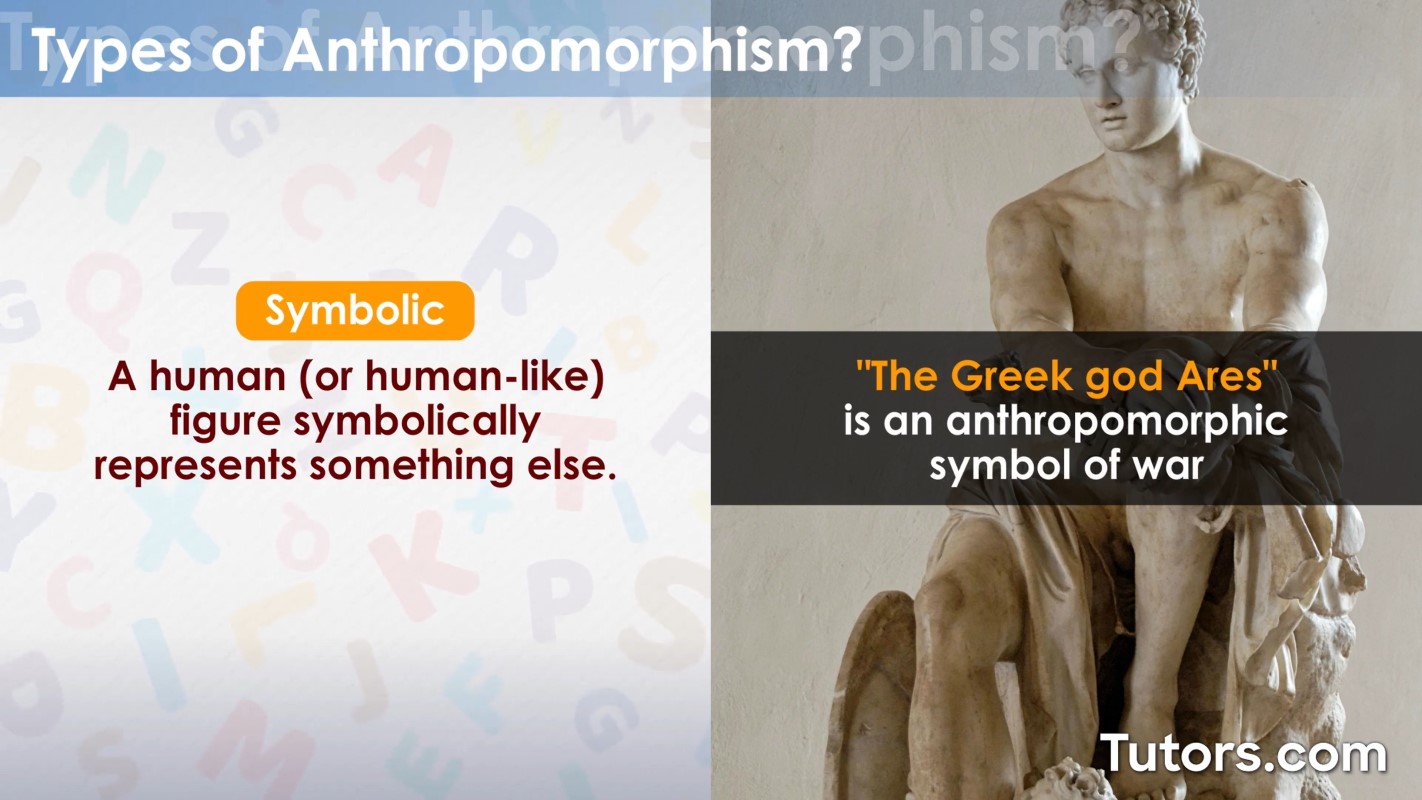
To trace the lineage of anthropomorphism is to walk through the annals of human culture. Ancient civilizations did not merely personify their gods—they made them in their own image, complete with flaws, passions, and foibles. The Greek pantheon, with its squabbling deities and all-too-human dramas, reflects a world where the divine was not an abstract force but a mirror held up to mortal life. This tradition persists in modern spirituality, where figures like the “cosmic mother” or the “wise old universe” serve as comforting personifications of forces too vast to comprehend.
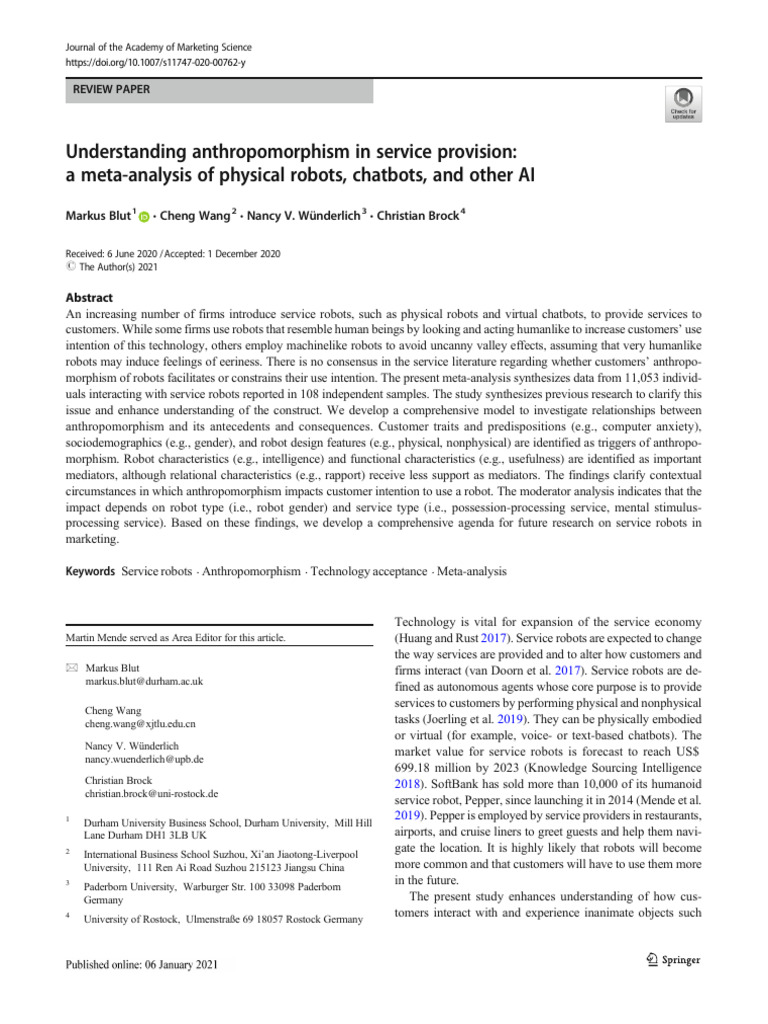
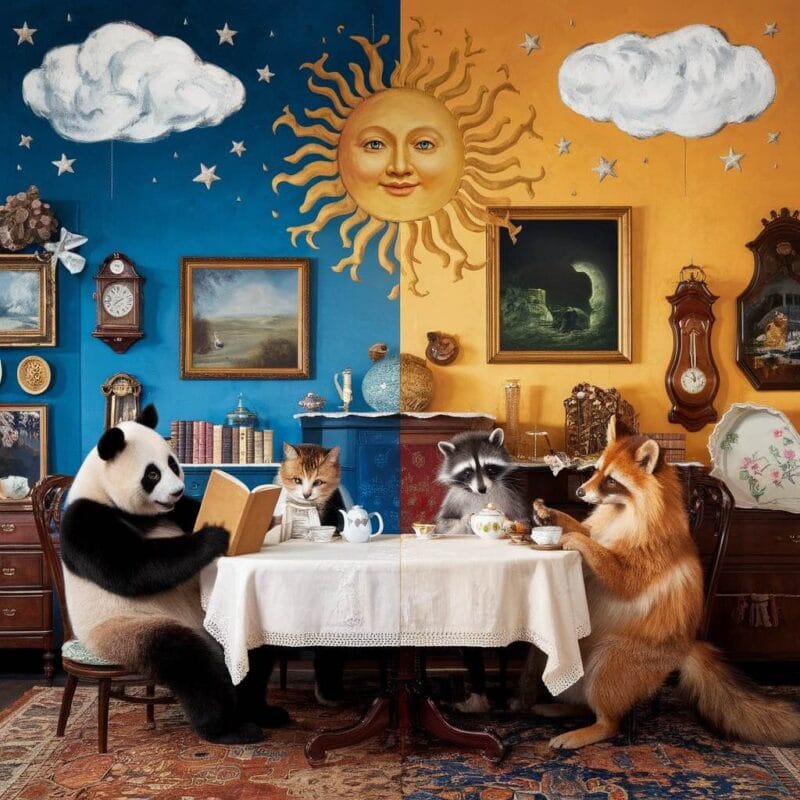
The arts, too, have long relied on anthropomorphism to convey the ineffable. From Aesop’s fables to Disney’s animated protagonists, stories that give voice to animals or objects tap into a primal resonance. These narratives work because they exploit our innate tendency to see ourselves in the world around us. When a fox outwits a crow in a fable, we recognize the cunning in ourselves; when a teapot dances in *Beauty and the Beast*, we feel the joy of defiance. This literary device is not mere whimsy—it is a bridge between the concrete and the abstract, the personal and the universal.
Even in contemporary art, anthropomorphism serves as a powerful critique. The surrealist paintings of Salvador Dalí, with their melting clocks and elongated figures, force us to confront the fluidity of identity and the malleability of perception. By distorting the human form, these works remind us that our own anthropomorphic tendencies are not fixed but shaped by culture, history, and individual experience. In this way, art becomes a dialogue—a push and pull between our desire to see the human in everything and the reality that the human is, itself, a construct.
The Future of Anthropomorphism: Between Connection and Caution
As we stand on the precipice of an era dominated by artificial intelligence, virtual reality, and bioengineering, the question of anthropomorphism takes on new urgency. Will we continue to project humanity onto our creations, or will we develop the humility to recognize the limits of our own imagination? The answer may lie in our ability to balance two seemingly contradictory impulses: the need for connection and the acceptance of the alien.
Already, we see signs of this tension in the design of human-machine interfaces. Chatbots are given names and backstories to make them feel more relatable, while robotic pets are engineered to mimic the behaviors of living animals to evoke emotional responses. These choices are not frivolous—they reflect a deep-seated belief that interaction requires reciprocity. Yet as these technologies grow more sophisticated, we must ask: at what point does anthropomorphism become a crutch, preventing us from engaging with the world as it truly is? The philosopher Martin Buber’s concept of the “I-Thou” relationship reminds us that true connection requires acknowledging the otherness of the other. Perhaps the ultimate challenge of anthropomorphism is not to erase the boundaries between self and other, but to navigate them with curiosity and respect.
In the end, our fascination with anthropomorphism reveals something profound about the human condition. It is not merely a cognitive shortcut or a quirk of perception—it is a testament to our relentless search for meaning in a universe that often feels indifferent. Whether we are gazing at the stars and seeing gods, or talking to our cars as if they were old friends, we are engaged in an ancient dance of projection and recognition. The key, then, is not to reject this tendency outright, but to wield it with intention, recognizing both its power to illuminate and its potential to deceive. For in the act of seeing ourselves in the world, we do not just reshape the world—we reshape ourselves.

![Case Study: How [Comic Series] Used Anthropomorphism to Stand Out](https://anthropomorphism.org/wp-content/uploads/2026/05/San-Diego-Comic-Con-2-scaled-1.jpg)