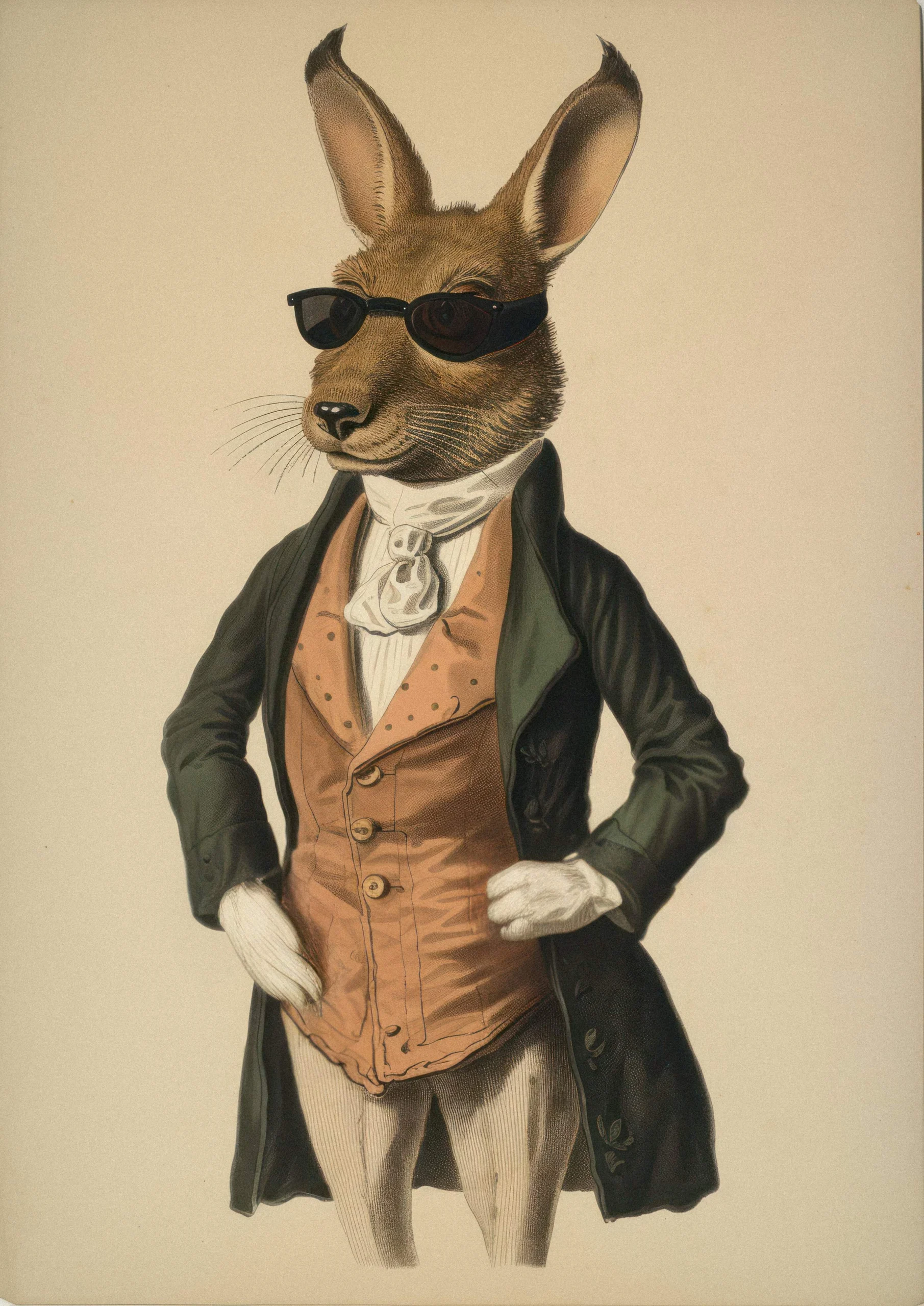
In the vast expanse of human cognition, where logic and imagination intertwine, anthropomorphism emerges as a luminous thread—a cognitive bridge that allows us to perceive the world through a lens of familiarity. It is the act of imbuing non-human entities with human traits, emotions, and intentions, a phenomenon so pervasive that it shapes not only art and literature but also the very foundations of scientific inquiry. The connection between anthropomorphism and scientific creativity is not merely coincidental; it is a symbiotic relationship, a dance of the mind where abstraction meets empathy, and where the cold rigor of science finds warmth in the contours of human-like understanding. This interplay is not just a quirk of perception but a profound mechanism that fuels innovation, fosters intuition, and unlocks doors to discoveries that might otherwise remain shrouded in obscurity.
The Cognitive Alchemy of Giving Life to the Inanimate
At its core, anthropomorphism is a cognitive shortcut, a heuristic that simplifies the complexity of the universe by framing the unfamiliar in terms of the familiar. The human brain, a master of pattern recognition, thrives on narratives and agency—it craves stories where objects act, forces conspire, and nature behaves with intent. When scientists confront the enigmatic, whether it’s the erratic orbit of an electron or the mysterious behavior of a distant galaxy, they often resort to anthropomorphic metaphors to make sense of the insensible. This is not a regression into childlike thinking but a sophisticated cognitive tool that allows the mind to grapple with abstract concepts by personifying them.
Consider the language of physics, where particles “decide” to decay, fields “communicate” with one another, and black holes “consume” matter. These terms are not literal; they are poetic approximations that render the ineffable tangible. The electron, a subatomic speck with no discernible personality, becomes a mischievous sprite darting through the quantum void, its path dictated by probabilities that feel almost like choices. This linguistic anthropomorphism is not frivolous—it is a cognitive scaffolding that enables scientists to visualize, model, and ultimately solve problems that defy straightforward description. The act of personification transforms the abstract into the relatable, allowing the mind to traverse the chasm between the known and the unknown.
Anthropomorphism as a Catalyst for Scientific Intuition
Intuition is the silent partner of scientific discovery, a pre-rational sense of understanding that often precedes formal proof. Anthropomorphism acts as a conduit for this intuition, providing a framework where the scientist can “feel” their way through a problem before the equations catch up. When James Clerk Maxwell envisioned electromagnetic fields as invisible gears and pulleys, he was not indulging in fantasy—he was leveraging anthropomorphic intuition to bridge the gap between mechanical intuition and abstract theory. His mental model allowed him to perceive the invisible forces at play, guiding his mathematical formulations toward the unifying equations that bear his name.
This phenomenon is not confined to the physical sciences. In biology, the concept of natural selection is often framed as nature “selecting” traits for survival, a metaphor that anthropomorphizes the blind, mechanical process of evolution. Yet, this personification is not misleading—it is a cognitive device that allows researchers to conceptualize adaptation as an active, almost intentional process. By imagining nature as a tinkerer with a purpose, biologists can more easily navigate the labyrinth of genetic mutations and environmental pressures, identifying patterns that might otherwise remain obscured by the sheer randomness of the system.
The power of anthropomorphism in fostering intuition lies in its ability to compress complexity into digestible narratives. The human brain is wired to respond to stories, to see causality in sequences of events, and to attribute agency where none exists. When a chemist visualizes a molecule as a tiny, writhing organism engaged in a molecular dance, they are not abandoning rigor—they are harnessing the brain’s natural storytelling machinery to predict reactions, anticipate interactions, and uncover hidden symmetries. This narrative framing is not a crutch; it is a cognitive amplifier that magnifies the scientist’s ability to perceive order in chaos.
The Role of Anthropomorphism in Hypothesis Formation
Hypotheses are the lifeblood of scientific progress, and their birth is often shrouded in mystery—a flash of insight, a sudden connection, a leap of faith. Anthropomorphism can act as a midwife to these epiphanies, providing the raw material from which hypotheses are forged. When a neuroscientist ponders the behavior of neurons, they might imagine them as tiny, hyperactive librarians, scurrying to catalog and retrieve information. This mental image, while simplistic, can spark a hypothesis about how neural networks prioritize and store memories, leading to experiments that test the limits of synaptic plasticity.
In astrophysics, the anthropomorphic notion of a “hungry” black hole devouring nearby stars has led to groundbreaking theories about accretion disks and relativistic jets. By framing the black hole as an active participant in cosmic dynamics, researchers can develop models that account for the observed phenomena, such as the intense radiation emitted by these celestial behemoths. The metaphor is not a substitute for data—it is a catalyst that transforms raw observations into testable predictions. The anthropomorphic lens allows scientists to ask questions they might not have considered otherwise: *What does the black hole “want”? How does it “choose” which stars to consume?* These questions, while framed in human terms, open avenues of inquiry that might lead to unexpected discoveries.
This process is not limited to the macroscopic or the cosmic. In microbiology, bacteria are often described as “communicating” via chemical signals, a personification that has led to the discovery of quorum sensing—a mechanism by which bacterial populations coordinate their behavior. The metaphor of communication, while anthropomorphic, has enabled researchers to uncover the intricate molecular dialogues that govern bacterial colonies, paving the way for new antibiotics and biotechnological innovations. The key lies in recognizing that anthropomorphism is not a distortion of reality but a lens that can reveal hidden layers of meaning within it.
The Ethical and Philosophical Tensions of Personifying Nature
While anthropomorphism is a potent tool for scientific creativity, it is not without its pitfalls. The act of imbuing nature with human-like qualities can blur the line between metaphor and reality, leading to misconceptions that hinder progress. The anthropomorphic framing of evolution as a “struggle for survival” has, at times, been misinterpreted as a justification for social Darwinism, a distortion that has had deleterious consequences in both science and society. Similarly, the personification of viruses as “invaders” or “hackers” can obscure the complex ecological roles they play, reducing them to simplistic caricatures that ignore their evolutionary significance.
Moreover, the reliance on anthropomorphic models can sometimes stifle innovation by anchoring scientists to familiar narratives. If a researcher becomes too attached to the idea of a black hole as a “cosmic vacuum cleaner,” they may overlook alternative explanations for its behavior, such as gravitational lensing or Hawking radiation. The challenge, then, is to use anthropomorphism as a temporary scaffold—a cognitive crutch that is discarded once its purpose is served. The scientist must remain vigilant, ensuring that the metaphor does not become a prison, trapping them in a world of their own making.
Philosophically, the use of anthropomorphism raises questions about the nature of reality and our place within it. If we constantly reshape the universe in our own image, are we not merely projecting our own biases onto the cosmos? Yet, this tension is precisely what makes anthropomorphism so valuable. It forces us to confront the limits of our understanding while simultaneously expanding them. By acknowledging the role of anthropomorphism in science, we gain a deeper appreciation for the interplay between perception and reality, between the human and the non-human, and between the known and the unknowable.
The Future: Anthropomorphism in the Age of AI and Beyond
As we stand on the precipice of a new era, where artificial intelligence and machine learning are reshaping the boundaries of scientific inquiry, anthropomorphism takes on a renewed significance. AI systems, with their opaque decision-making processes, are often described in human terms—neural networks “learn,” algorithms “decide,” and models “predict.” This linguistic anthropomorphism is not merely a convenience; it reflects a deeper cognitive need to understand and trust these systems. When a scientist says an AI “understands” a dataset, they are not implying consciousness but rather invoking a metaphor that allows them to engage with the machine’s outputs in a meaningful way.
In the realm of synthetic biology, researchers are engineering organisms to perform specific functions, from producing biofuels to detecting environmental toxins. The act of designing these organisms often involves anthropomorphic thinking—imagining the bacteria as tiny factories or the yeast as a microscopic brewer. This framing is not just poetic; it is a practical tool that guides the engineering process, allowing scientists to conceptualize complex biochemical pathways in terms of familiar industrial processes. As synthetic biology advances, the line between the engineered and the natural blurs, and anthropomorphism becomes a bridge between the two.
The future of scientific creativity may well lie in the deliberate cultivation of anthropomorphic thinking, not as a crutch but as a catalyst. By embracing the power of personification, scientists can unlock new avenues of inquiry, foster intuition, and bridge the gap between the abstract and the concrete. Yet, this must be done with caution, ensuring that the metaphors we use do not become the limits of our imagination. The connection between anthropomorphism and scientific creativity is not a paradox to be resolved but a dynamic tension to be explored—a dance of the mind where the familiar and the unfamiliar intertwine to illuminate the unknown.

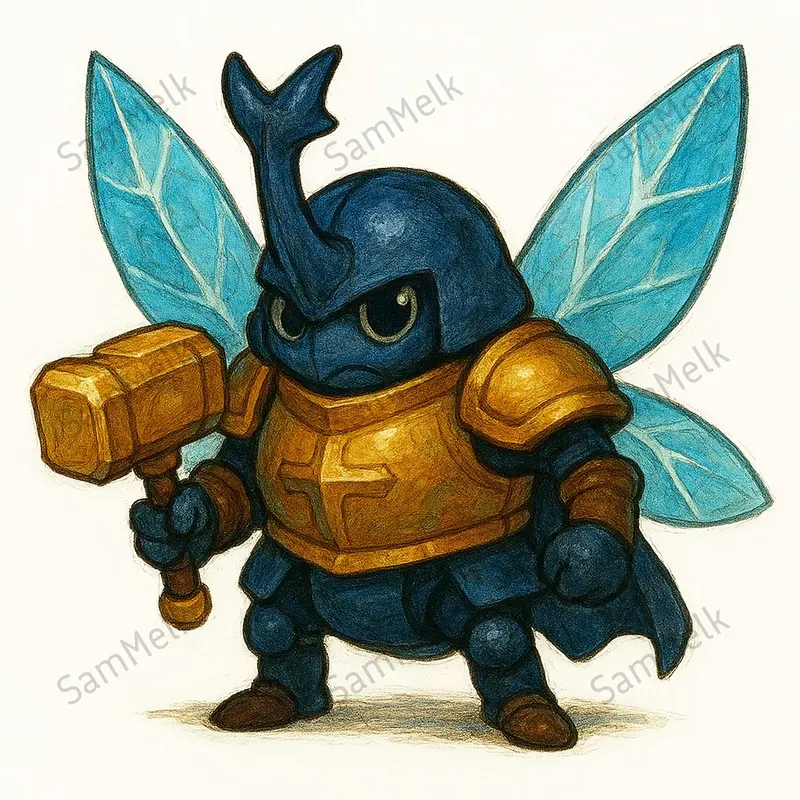
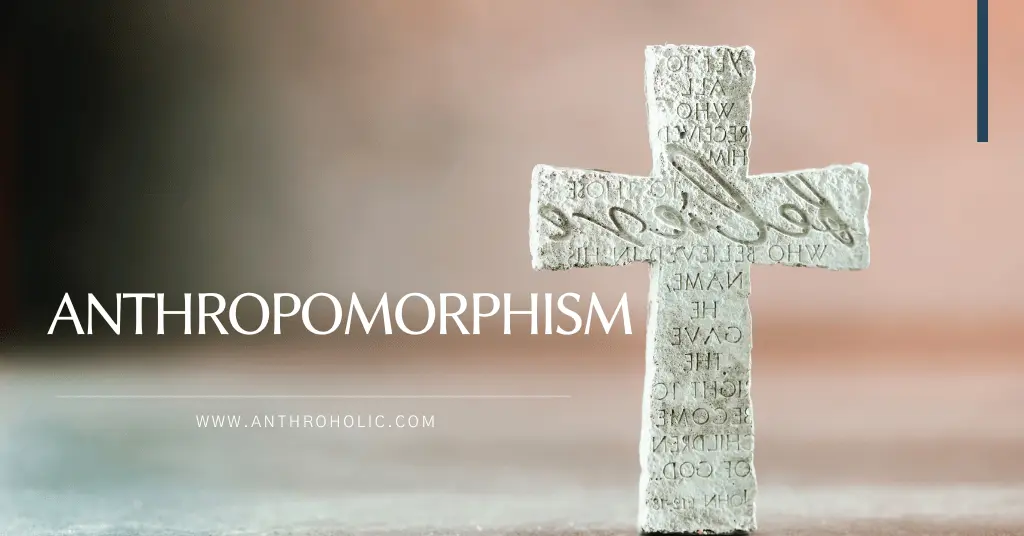
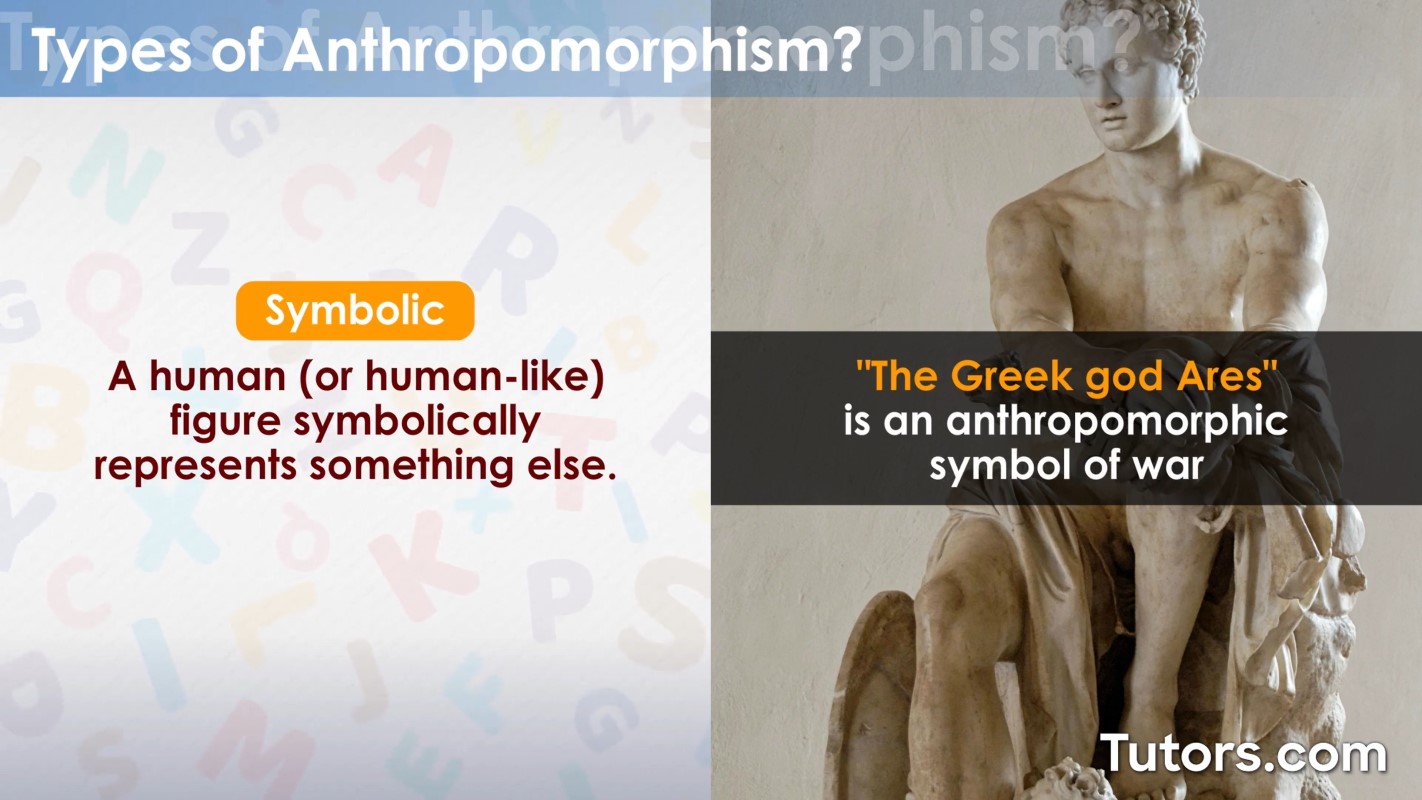
Anthropomorphism in art and media serves as a visual testament to humanity’s enduring fascination with endowing the inanimate with life. This image captures the essence of how we project our own emotions and intentions onto the world around us, a phenomenon that extends far beyond art into the very heart of scientific discovery.