In the labyrinthine expanse of digital interfaces, where pixels coalesce into experiences and interactions, a subtle revolution is unfolding. Anthropomorphism—the art of imbuing non-human entities with human-like qualities—has transcended its philosophical roots to become a cornerstone of modern app and website design. No longer confined to the realm of folklore or animated fairy tales, it now permeates the very fabric of how we engage with technology. This phenomenon does more than merely adorn interfaces with whimsical avatars or playful mascots; it reshapes the psychological contract between user and machine, fostering empathy, trust, and a sense of companionship in an otherwise impersonal digital landscape.
The Psychological Alchemy of Anthropomorphism in Digital Interfaces
At its core, anthropomorphism exploits the human brain’s predisposition to attribute intentionality and emotion to inanimate objects. When a loading spinner morphs into a cheerful face or a chatbot responds with a witty remark, it triggers a cognitive shortcut—our minds interpret these cues as signals of sentience, even when we rationally acknowledge their artificiality. This psychological sleight of hand serves a dual purpose: it reduces the cognitive load of interacting with complex systems and transforms mundane tasks into engaging narratives.
The implications are profound. Studies in human-computer interaction reveal that interfaces designed with anthropomorphic elements can significantly enhance user satisfaction and retention. A banking app that greets users with a friendly avatar, for instance, doesn’t just simplify navigation—it cultivates an emotional connection, making financial transactions feel less transactional and more conversational. This shift from utility to companionship is not merely aesthetic; it’s a strategic recalibration of user expectations, where technology ceases to be a cold tool and becomes a relatable entity.
From Mascots to Micro-Interactions: The Spectrum of Anthropomorphic Design
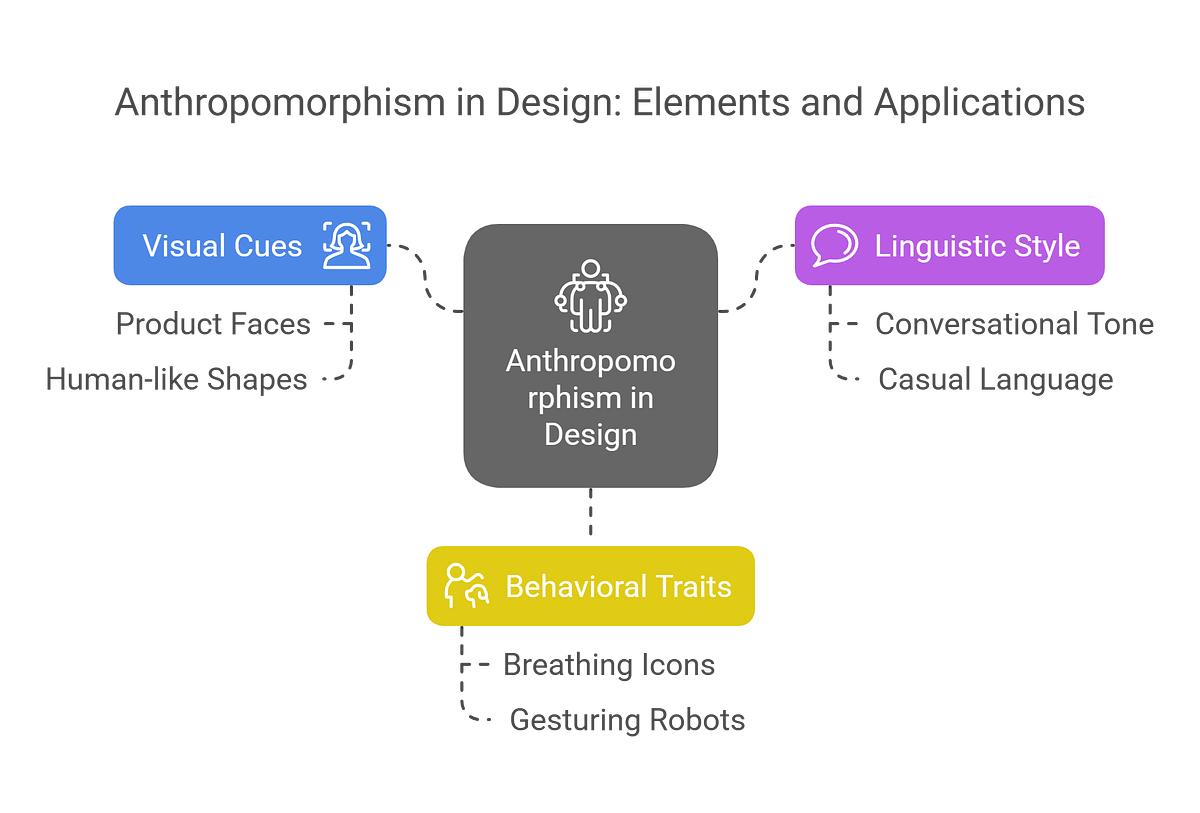
Anthropomorphism in digital design manifests across a spectrum, ranging from overt to subtle. At one end lie the overt embodiments—branded mascots like Duolingo’s owl or Mailchimp’s Freddie—that serve as visual anchors, injecting personality into otherwise sterile interfaces. These characters often transcend their functional roles, becoming cultural touchstones that users associate with the brand’s ethos.
At the opposite end of the spectrum are the micro-interactions: the gentle pulse of a button upon hover, the animated sigh of a progress bar, or the playful bounce of a cursor. These fleeting moments of anthropomorphism operate subconsciously, yet their cumulative effect is undeniable. They humanize the interface by mimicking organic behaviors, creating a sense of rhythm and responsiveness that mirrors human interaction. Even typography can participate in this dance—when a serif font adopts a slightly irregular kerning, it subtly evokes the imperfections of handwritten text, forging a connection with the user’s tactile memory.
The magic lies in the balance. Overdoing anthropomorphism risks veering into uncanny territory, where exaggerated expressions or unnatural movements evoke discomfort rather than delight. The key is restraint—leveraging human-like qualities to enhance clarity and warmth without compromising the interface’s functionality or the user’s trust.
Anthropomorphism as a Bridge Over the Trust Gap
In an era where data breaches and algorithmic opacity erode user confidence, anthropomorphism emerges as a potent antidote to digital distrust. When a healthcare app employs a calming, human-like voice to guide users through a complex process, it doesn’t just simplify the experience—it reassures. The voice becomes a proxy for expertise, a soothing presence that mitigates the anxiety of navigating unfamiliar terrain.
This trust-building potential extends to customer service interactions. Chatbots equipped with anthropomorphic traits—such as personalized greetings, empathetic responses, or even simulated facial expressions—can transform frustrating encounters into opportunities for connection. The user no longer feels like they’re shouting into the void; they’re engaging in a dialogue, albeit with a machine. The result? Higher satisfaction scores and a reduced likelihood of users abandoning the interaction prematurely.
Yet, anthropomorphism’s role in trust is a double-edged sword. If the design feels inauthentic or overly manipulative, it can backfire spectacularly, eroding credibility faster than it was built. The solution lies in authenticity—aligning anthropomorphic elements with the brand’s voice and the user’s expectations. A luxury brand might embrace elegance and subtlety, while a children’s app could revel in whimsy and exuberance. The goal is not to deceive but to resonate.
The Ethical Quandaries: Where Design Meets Deception
As anthropomorphism blurs the line between tool and companion, it inevitably raises ethical questions. Can a chatbot that feigns empathy be considered deceptive? Should users be explicitly informed when they’re interacting with an AI rather than a human? These are not mere philosophical musings; they are critical considerations for designers who wield anthropomorphism as a tool.
The risk of manipulation looms large. A poorly designed anthropomorphic interface might exploit users’ emotional vulnerabilities, nudging them toward purchases or actions they wouldn’t otherwise take. This is particularly pertinent in sectors like mental health apps or financial services, where the stakes are high. Transparency, therefore, becomes a non-negotiable principle. Users should never feel tricked into anthropomorphic interactions; instead, they should feel invited into a carefully curated experience that enhances, rather than exploits, their engagement.
Another ethical frontier lies in accessibility. Anthropomorphic designs that rely heavily on visual or auditory cues may inadvertently exclude users with disabilities. A voice assistant that assumes all users can hear or a chatbot that communicates solely through emojis risks alienating segments of the audience. Inclusive design demands that anthropomorphism be adaptable—offering alternatives like text-based companionship or haptic feedback to ensure no user is left behind.
Case Studies: When Anthropomorphism Transforms Experiences
Consider the evolution of navigation apps. Early iterations were purely functional, offering turn-by-turn directions with nary a hint of personality. Today, apps like Waze greet users with a cheerful “Let’s roll!” and update them with quips like “Looks like you’re in a hurry—let’s find you a shortcut!” These anthropomorphic touches don’t just make the app more enjoyable; they reduce the stress of driving in unfamiliar territory by framing the journey as a collaborative adventure.
In the realm of productivity, tools like Notion have embraced anthropomorphism to demystify project management. Their help center features a friendly, illustrated assistant that guides users through complex features with patience and humor. This approach transforms what could be an overwhelming onboarding experience into an engaging dialogue, where the user feels supported rather than interrogated.
Even in the high-stakes world of cybersecurity, anthropomorphism finds its place. Password managers like 1Password employ playful metaphors—imagine a vault that “locks away” your secrets—to make the abstract concept of digital security feel tangible and relatable. By framing security as a guardian rather than a gatekeeper, the design fosters a sense of empowerment rather than paranoia.
The Future: Toward Symbiotic Interfaces
The trajectory of anthropomorphism in design points toward a future where interfaces don’t just mimic humanity but evolve alongside it. Advances in AI and machine learning are enabling interfaces to adapt in real-time, tailoring their anthropomorphic traits to individual users. Imagine an e-commerce platform that adjusts its avatar’s tone based on your mood—cheerful and energetic for a bargain hunter, calm and reassuring for a first-time buyer.
We’re also witnessing the rise of “ambient anthropomorphism,” where interfaces blend seamlessly into the user’s environment. Smart home devices that respond with contextual humor or wearables that provide gentle, human-like nudges are redefining the boundaries of digital interaction. The goal is no longer to stand out but to blend in—to become an unobtrusive yet indispensable part of the user’s daily rhythm.
Yet, the most exciting frontier may lie in collaborative design. As users grow accustomed to anthropomorphic interfaces, they may begin to co-create these experiences, shaping the personalities of the tools they use. Crowdsourced avatars, user-driven narratives, and adaptive personas could turn static designs into living ecosystems, where technology and humanity evolve in tandem.
Conclusion: A Human-Centric Digital Ecosystem
Anthropomorphism in app and website design is more than a trend—it’s a paradigm shift. By infusing digital interfaces with humanity, designers are not just enhancing aesthetics; they’re redefining the very nature of interaction. In a world where technology often feels isolating, anthropomorphism offers a bridge—a way to make the digital feel personal, approachable, and even comforting.
The challenge, then, is to wield this power responsibly. To create interfaces that resonate without manipulating, that engage without deceiving, and that connect without excluding. When done right, anthropomorphism doesn’t just change how we use apps and websites—it changes how we feel about them. And in doing so, it reminds us that even in the most sterile of digital spaces, a touch of humanity can make all the difference.


![Case Study: How [Company] Used Anthropomorphism to Redesign a Product](https://anthropomorphism.org/wp-content/uploads/2026/05/tnswcasestudy-100708061958-phpapp01-thumbnail.jpg)