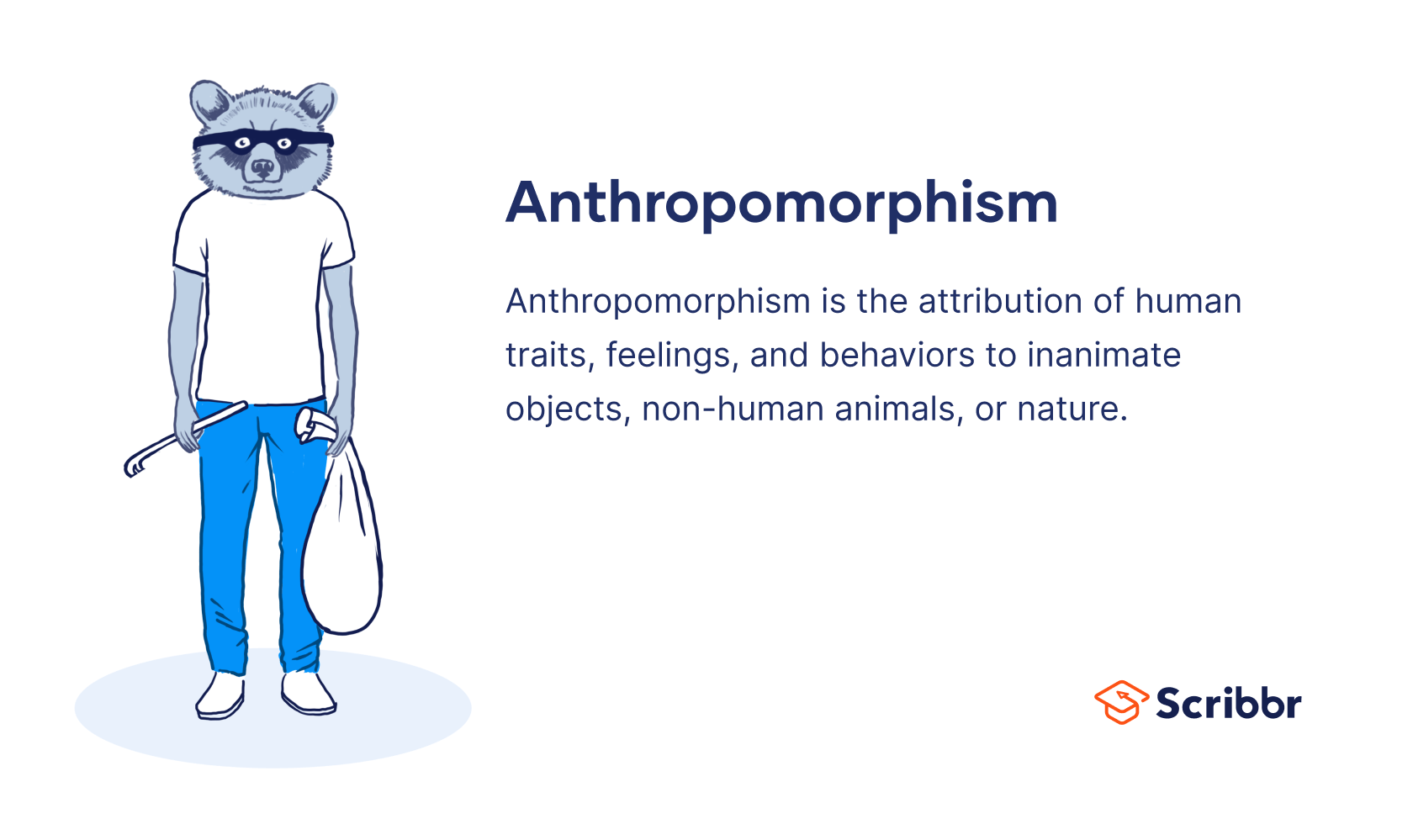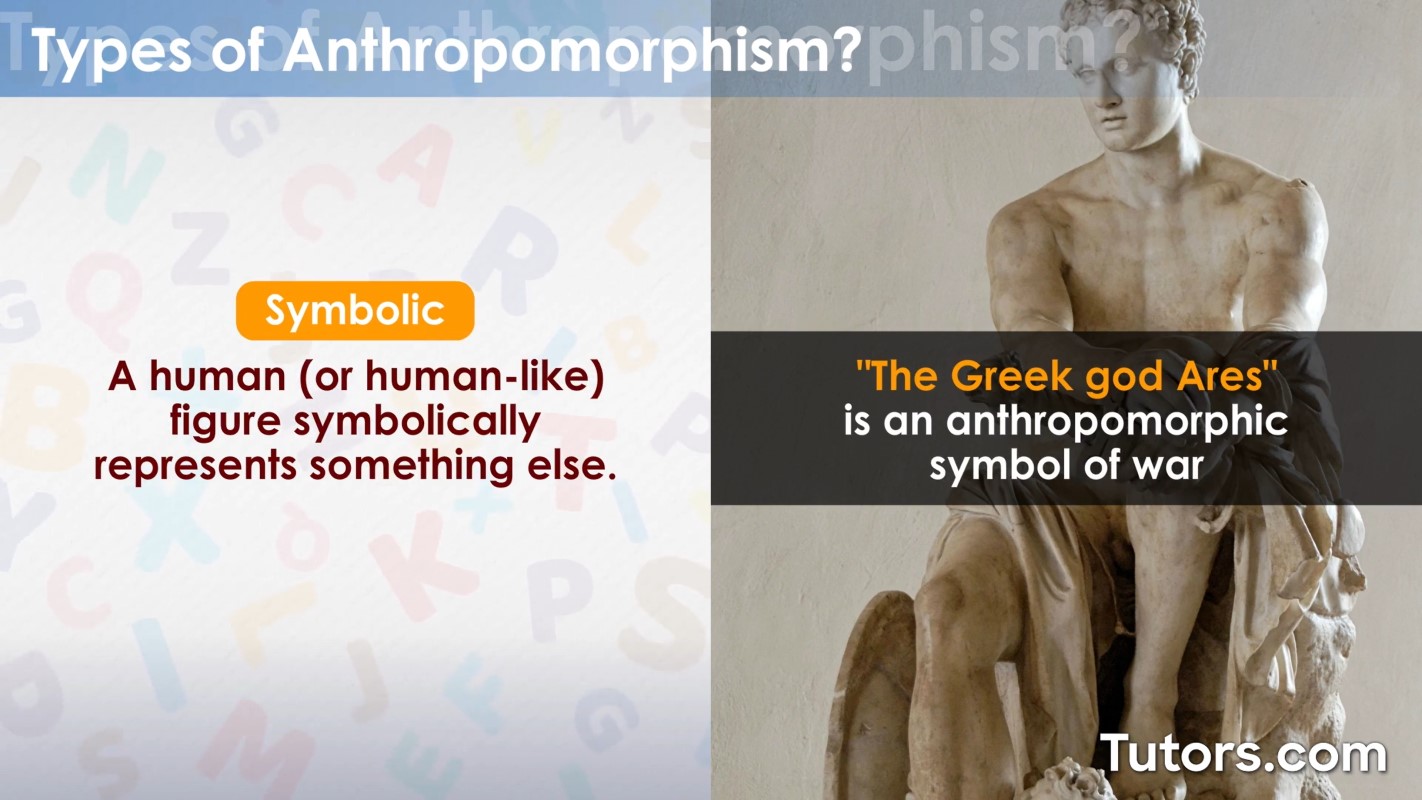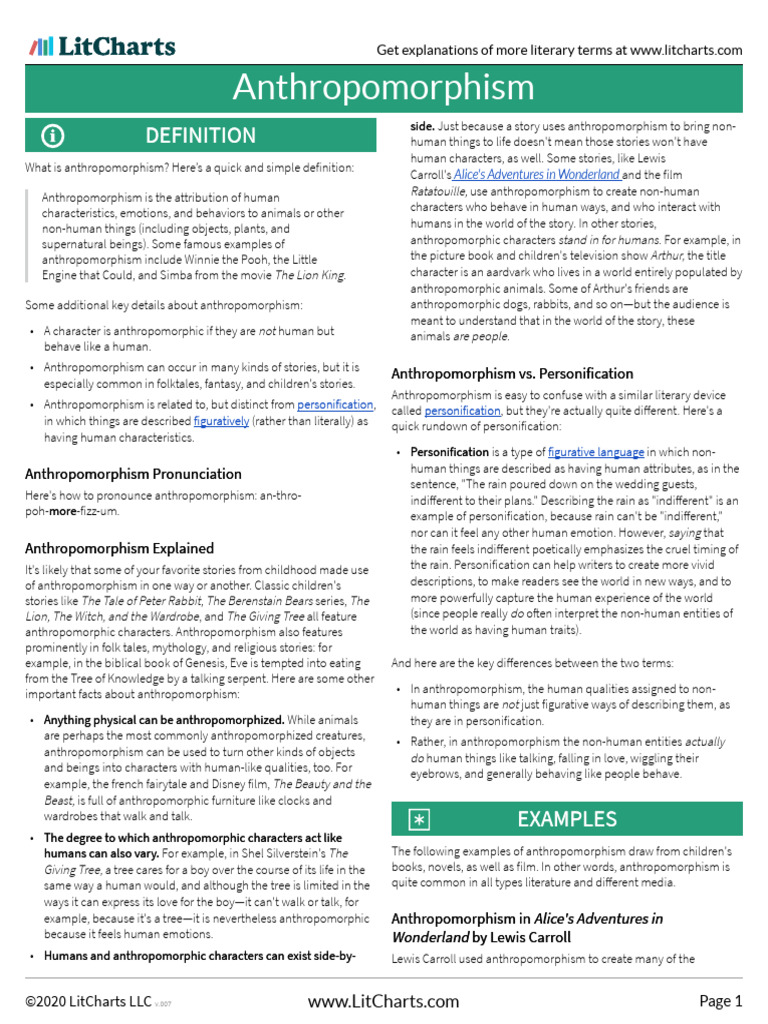
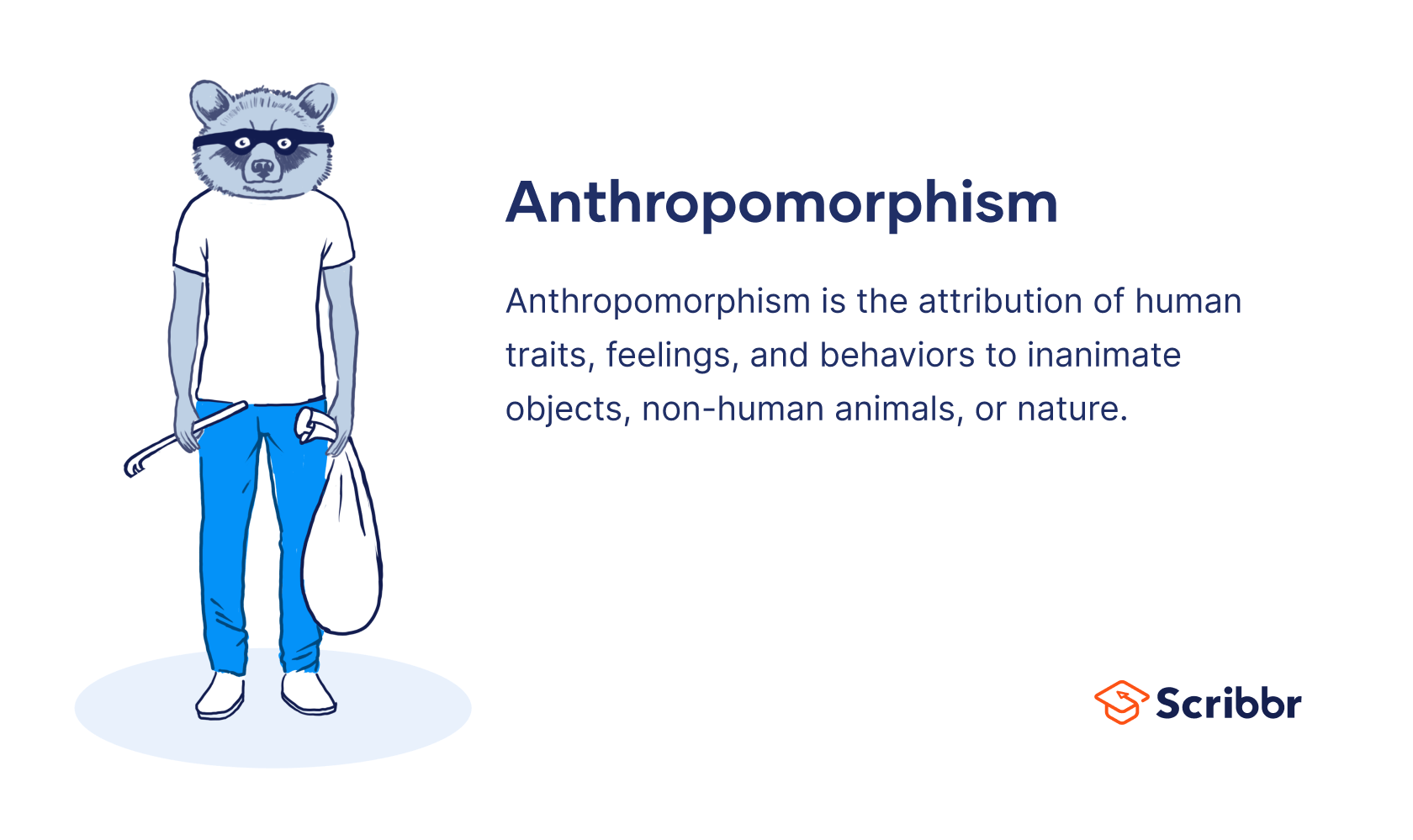
In the ever-evolving landscape of advertising, one psychological phenomenon has consistently proven its efficacy: anthropomorphism. The act of attributing human traits, emotions, or intentions to non-human entities—be it objects, animals, or even abstract concepts—has become a cornerstone of modern marketing strategies. By endowing inanimate things with personality, advertisers tap into a primal human tendency to connect with the familiar, thereby fostering deeper engagement and brand loyalty. This article delves into the multifaceted power of anthropomorphism in advertising, dissecting its psychological underpinnings, exploring diverse case studies, and examining how brands leverage this technique to craft compelling narratives.
The Psychological Allure of Anthropomorphism in Consumer Behavior
At its core, anthropomorphism is a cognitive shortcut that simplifies complex interactions by framing them in human terms. When a brand personifies its product—whether through a mascot, a voice, or a narrative—it transforms a mere commodity into a relatable entity. This phenomenon triggers the parasocial relationship effect, where consumers develop one-sided emotional bonds with brands, akin to friendships. Studies in consumer psychology reveal that anthropomorphized brands are perceived as more trustworthy and approachable, which in turn enhances purchase intent. The brain, wired to seek patterns and connections, finds solace in these humanized representations, making them an indispensable tool in an era of information overload.
Moreover, anthropomorphism bridges the uncanny valley—that unsettling space where non-human entities appear almost, but not quite, human. Brands navigate this delicate balance by ensuring their anthropomorphized elements retain just enough abstraction to avoid discomfort while still evoking empathy. For instance, a cartoonish animal mascot may lack human features, yet its exaggerated expressions and behaviors make it instantly recognizable and endearing. This strategic ambiguity allows advertisers to harness the emotional resonance of human-like traits without crossing into the realm of the unsettling.
Case Study: The M&M’s Spokescandies – A Masterclass in Brand Personification
Few examples of anthropomorphism in advertising shine as brightly as the M&M’s Spokescandies. Introduced in the early 2000s, these colorful, talking candies transformed a simple confectionery product into a vibrant cast of characters, each embodying distinct personalities. Red, the confident and slightly brash leader; Yellow, the naive but lovable optimist; and Green, the sassy and independent thinker—these mascots didn’t just represent flavors; they became cultural icons. The campaign’s brilliance lay in its ability to create a microcosm of human interactions, where conflicts, camaraderie, and humor played out in bite-sized narratives.
The Spokescandies’ anthropomorphic appeal extended beyond television commercials into interactive digital content, including games and social media campaigns. By allowing consumers to engage with the characters in playful, participatory ways, M&M’s fostered a sense of community around its brand. The result? A sustained emotional connection that transcended the transactional nature of traditional advertising. Today, the Spokescandies remain a testament to how anthropomorphism can elevate a product from a mere snack to a beloved cultural phenomenon.
From Animals to Inanimate Objects: The Versatility of Anthropomorphism
Anthropomorphism isn’t confined to human-like characters; it extends to animals and even inanimate objects, each category offering unique advantages. Animal mascots, for example, leverage the halo effect, where positive traits associated with certain species—such as loyalty in dogs or wisdom in owls—are transferred to the brand. Consider the enduring appeal of the GEICO Gecko, a reptilian character whose quick wit and charm made insurance seem less daunting. By anthropomorphizing a gecko, GEICO transformed a mundane financial service into an engaging, memorable experience.
Inanimate objects, too, can become anthropomorphized entities. The Pixar films, while not advertisements, exemplify this technique brilliantly. Toys, cars, and even emotions are given human personalities, emotions, and desires, creating narratives that resonate universally. Brands like Mailchimp have adopted this approach, personifying their email marketing platform as a friendly, quirky assistant. This not only demystifies complex technology but also fosters a sense of partnership between the user and the tool.
The Dark Side of Anthropomorphism: When Personification Backfires
While anthropomorphism is a potent tool, its misuse can lead to unintended consequences. The uncanny valley effect, for instance, can evoke discomfort if a brand’s anthropomorphized element appears too human-like without achieving the necessary realism. A classic example is the Microsoft Zune’s failed attempt to personify its digital music player as a human-like figure—its eerie resemblance to a cartoonish corpse alienated rather than endeared consumers.
Additionally, cultural sensitivities play a critical role in the success of anthropomorphic campaigns. What resonates in one market may fall flat or offend in another. For instance, a mascot designed to embody efficiency might be perceived as aggressive in a culture that values subtlety. Brands must conduct thorough research to ensure their anthropomorphic elements align with cultural norms and values, avoiding missteps that could tarnish their reputation.
Anthropomorphism in the Digital Age: AI and Virtual Influencers
The advent of artificial intelligence and virtual influencers has ushered in a new era of anthropomorphism. Brands are now creating entirely digital personas that interact with consumers in real-time, blurring the lines between human and machine. Lil Miquela, a CGI influencer with millions of followers, exemplifies this trend. By crafting a backstory, personality, and even controversies for a virtual character, brands can engage audiences in ways that traditional advertising cannot.
This digital anthropomorphism extends to chatbots and virtual assistants, which are designed to mimic human conversation. When executed well, these AI-driven entities can provide customer service that feels personal and empathetic. However, the challenge lies in maintaining authenticity—consumers are quick to detect when a brand’s anthropomorphic efforts feel forced or inauthentic. The key is to strike a balance between relatability and transparency, ensuring that the human-like qualities of these digital entities feel genuine rather than gimmicky.
Measuring the Impact: How Brands Quantify Anthropomorphism’s Success
For advertisers, the ultimate question is: how do we measure the effectiveness of anthropomorphism? Metrics such as engagement rates, brand recall, and consumer sentiment provide valuable insights into how well a campaign resonates. Surveys and focus groups can uncover the emotional connections consumers form with anthropomorphized brands, while A/B testing allows marketers to refine their strategies based on real-time feedback.
Social media analytics play a pivotal role in this evaluation. The virality of campaigns like the M&M’s Spokescandies or GEICO’s Gecko can be traced through shares, likes, and comments, offering a quantitative measure of their impact. Additionally, brands can track long-term metrics such as customer lifetime value and brand loyalty to determine whether anthropomorphism fosters sustained engagement. By combining qualitative and quantitative data, advertisers can fine-tune their anthropomorphic strategies to maximize their return on investment.
The Future of Anthropomorphism: Trends and Predictions
As technology advances, the future of anthropomorphism in advertising looks increasingly dynamic. Augmented reality (AR) and virtual reality (VR) are poised to take personification to new heights, allowing consumers to interact with anthropomorphized brands in immersive, three-dimensional spaces. Imagine trying on virtual clothing through an AR mirror where the fabric itself has a personality, or navigating a VR store where the aisles are guided by a playful, sentient shopping assistant.
Moreover, the rise of metaverse platforms presents an unprecedented opportunity for brands to create entirely new anthropomorphic ecosystems. In these digital realms, consumers can engage with brands in ways that feel organic and interactive, fostering deeper emotional connections. The challenge for advertisers will be to navigate this uncharted territory while maintaining the authenticity that makes anthropomorphism so effective.
The power of anthropomorphism in advertising lies in its ability to transform the mundane into the memorable. By tapping into the human desire for connection and relatability, brands can create campaigns that resonate on a deeply emotional level. From the Spokescandies to virtual influencers, the examples are as diverse as they are innovative. As technology continues to evolve, the possibilities for anthropomorphism in advertising are limited only by the imagination—offering a future where brands don’t just sell products, but become part of the human experience.