In the sprawling landscapes of digital realms, where pixels coalesce into worlds and code breathes life into characters, a quiet revolution is unfolding. It is not one of fire and steel, but of perception and empathy—a transformation where the boundaries between player and protagonist blur, where non-player characters (NPCs) cease to be mere scripted entities and instead become vessels of emotional resonance. This phenomenon, known as anthropomorphism in video games, is reshaping how we engage with virtual experiences. It promises not just entertainment, but a profound shift in perspective, inviting players to see the artificial as profoundly human.
The Alchemy of Code and Character: Crafting Souls from Silicon
At the heart of anthropomorphism lies an alchemy—one that transmutes cold logic into warmth, predictability into spontaneity, and abstraction into relatability. Video game developers have long understood that a character’s believability hinges not on graphical fidelity alone, but on the illusion of agency, memory, and intention. When an NPC in Red Dead Redemption 2 remembers a player’s past deeds, or when a companion in The Witcher 3 reacts dynamically to choices, the game transcends its medium. It becomes a mirror reflecting not just the player’s actions, but their moral compass.
This craft is not accidental. It is the result of meticulous design—dialogue trees that branch based on prior interactions, facial animations that convey micro-expressions of doubt or joy, and environmental storytelling that reveals a character’s history without a single spoken word. The most compelling NPCs are those who feel like they exist beyond the confines of the player’s journey, their lives continuing even when the screen fades to black. They are not puppets; they are co-creators of the narrative, their humanity forged in the fires of player interaction.
From Static to Sentient: The Evolution of NPC Intelligence
The journey from static to sentient NPCs has been a slow, evolutionary crawl punctuated by leaps of innovation. Early video games treated characters as little more than obstacles or quest dispensers—glorified vending machines for experience points and loot. But as technology advanced, so too did the expectations of players. The introduction of Skyrim’s radiant quest system, where NPCs could dynamically generate tasks based on world state, marked a turning point. Suddenly, the world felt alive, not just populated.
Today, the frontier lies in adaptive intelligence. Games like Detroit: Become Human and Cyberpunk 2077 employ branching narratives where NPC decisions ripple through the story, creating a web of cause and effect that feels eerily organic. These characters don’t just react—they anticipate. They form opinions, hold grudges, and even develop preferences based on player behavior. The result is a gaming experience that feels less like a scripted performance and more like a conversation, where every response is a thread in a larger tapestry of human-like interaction.
The Psychology of Connection: Why We Care About Pixelated People
Anthropomorphism in video games is not merely a technical achievement; it is a psychological phenomenon rooted in our innate tendency to attribute human traits to non-human entities. This cognitive bias, known as the anthropomorphic bias, explains why we name our cars, apologize to our Roombas, and form attachments to virtual beings. In games, this bias is weaponized to create emotional bonds that rival those in real life.
Consider the phenomenon of NPC grief—the sorrow players feel when a beloved character meets an untimely end. Titles like Final Fantasy VII and Fire Emblem have demonstrated that players will mourn digital losses as if they were tangible. This is not mere sentimentality; it is evidence of the para-social relationship theory in action. When NPCs exhibit consistency, vulnerability, and growth, players project their own emotions onto them, blurring the line between fiction and reality. The more a character feels like a person, the more we invest in their story—and the more devastating their absence becomes.
Designing Empathy: The Subtle Art of Making Players Feel
Creating an NPC that feels real is less about grand gestures and more about the accumulation of small, authentic details. It is in the way a shopkeeper in Stardew Valley sighs when it rains, or how a companion in Mass Effect teases the player about their romantic misadventures. These moments are not scripted events; they are the result of systems designed to simulate life’s unpredictability.
One of the most powerful tools in this arsenal is contextual dialogue. A character who comments on the weather, the time of day, or the player’s recent actions feels more present than one who recites pre-written lines. Similarly, environmental storytelling—clues left in the world that hint at a character’s backstory—adds layers of depth without relying on exposition. A child’s abandoned toy in a derelict house, a half-finished letter on a desk, or a gravestone with a freshly placed flower—these are the silent narrators that make a world feel lived-in.
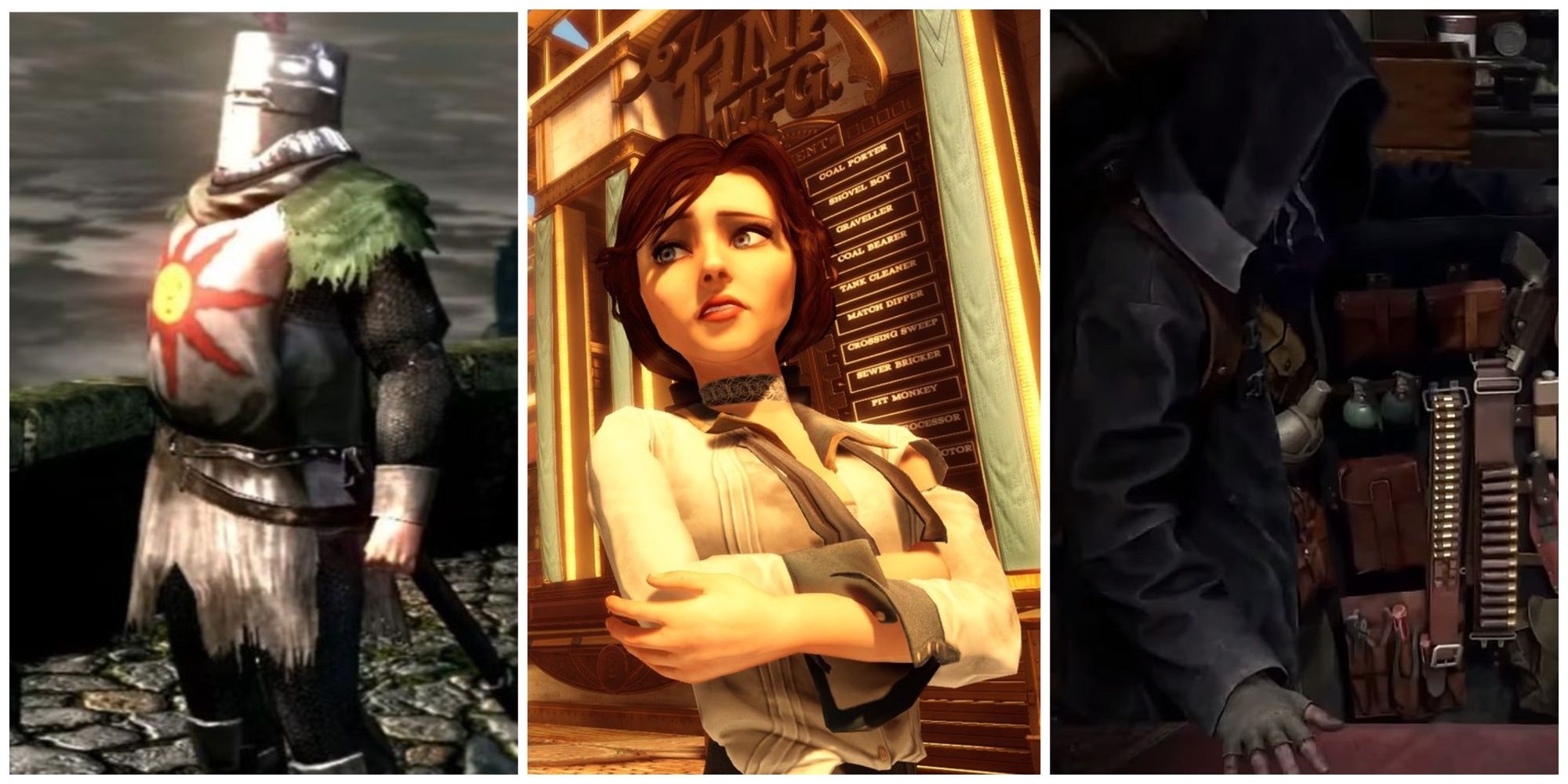
Even the absence of interaction can be telling. Games like Dark Souls use the silence of NPCs to convey isolation, while Disco Elysium employs verbose, idiosyncratic dialogue to make its characters feel like real, flawed individuals. The key is consistency: a character’s behavior must align with their established personality, creating a sense of reliability that fosters trust.
The Ethical Frontier: When AI Crosses the Line
As anthropomorphism in games grows more sophisticated, it inevitably stumbles into ethical quandaries. If an NPC can convincingly simulate human emotion, does that make it unethical to manipulate or discard them? The debate reached a fever pitch with Detroit: Become Human, where players could witness characters endure trauma, betrayal, and even death—all at the player’s whim. Is this art, or is it exploitation?
This tension raises questions about consent and agency. When a game blurs the line between player and puppet master, it forces us to confront our own complicity in the suffering of digital beings. Some argue that these experiences are cathartic, allowing players to explore moral dilemmas in a safe space. Others contend that the emotional weight of these interactions demands greater responsibility from developers. The future of anthropomorphism may hinge on finding a balance—creating characters that feel real enough to elicit empathy, but not so real that their suffering feels gratuitous.
Beyond the Screen: The Ripple Effect of Virtual Humanity
The impact of anthropomorphism in video games extends far beyond entertainment. It is reshaping how we interact with technology itself. Voice assistants like Siri and Alexa are increasingly designed with anthropomorphic traits—personalities, backstories, even humor—to make them feel more approachable. The line between game and reality is thinning, and with it, our expectations of what machines can—and should—represent.
Moreover, anthropomorphism is fostering a new kind of literacy—one that teaches players to read emotions, to recognize patterns of behavior, and to understand the consequences of their actions. In a world where digital interactions often lack nuance, video games are pioneering a language of empathy, where players learn to see the artificial as a reflection of the human.
As we stand on the precipice of this new era, one thing is clear: the most memorable games are not those with the most stunning graphics or the most explosive set pieces, but those that make us care. They are the games where an NPC’s smile lingers in our minds long after the credits roll, where a character’s last words haunt us like a ghost. In these moments, the illusion of humanity becomes something far more profound—the promise of connection in a world that often feels increasingly disconnected.