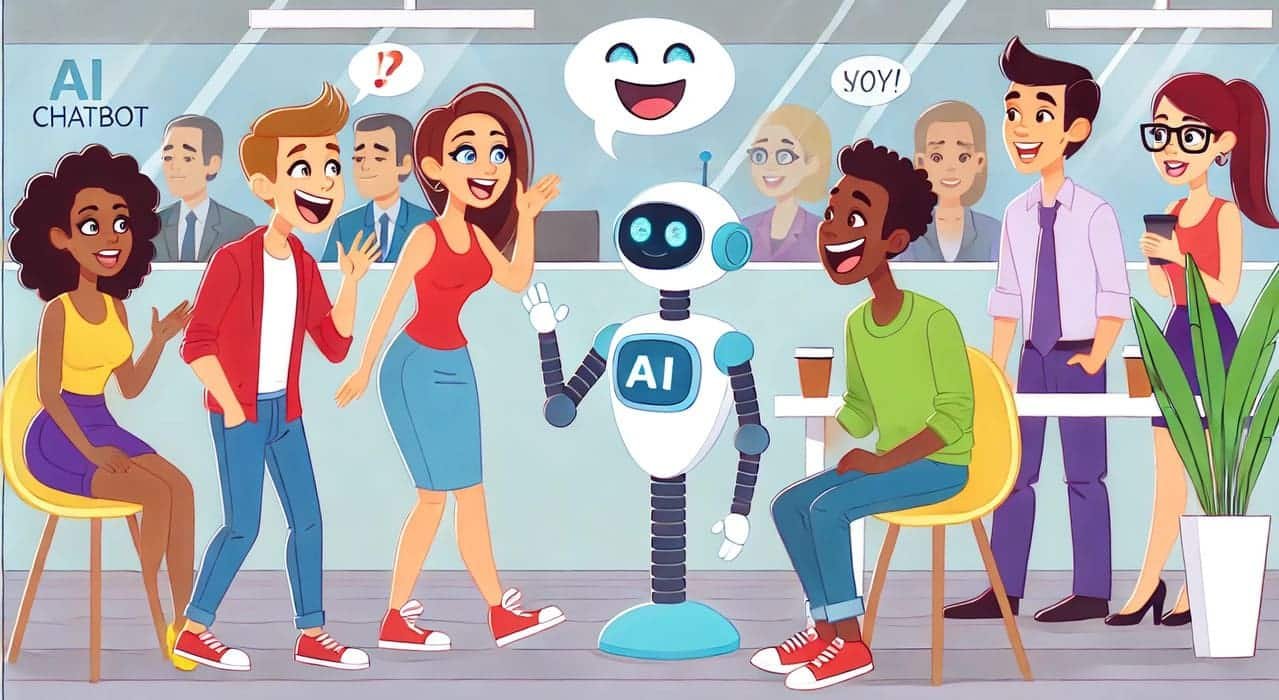
The emergence of the metaverse has revolutionized the way individuals interact, communicate, and perceive virtual environments. Central to this transformation are avatars—the digital embodiments that represent users within these expansive digital realms. While avatars can vary widely in appearance and form, a prevailing trend leans toward anthropomorphism: crafting avatars with human-like characteristics. But why do metaverse avatars need to be anthropomorphic? Exploring this question reveals profound psychological, social, and technological dimensions that underpin successful virtual interactions and immersive experiences.
The Psychological Imperative of Human-Like Representation
At the core of avatar design lies the intrinsic human need for familiarity and relatability. The human brain is exquisitely tuned to recognize and interpret human faces and forms, a phenomenon rooted deeply in evolutionary psychology. Anthropomorphic avatars activate innate cognitive patterns, enabling users to more easily empathize and connect with others in the digital space. When avatars possess human-like features—such as facial expressions, body language, and recognizable gestures—they emulate the subconscious cues critical for social bonding and communication.
Without anthropomorphism, avatars risk being perceived as alien or abstract entities, which can inhibit emotional engagement and diminish the richness of interaction. Furthermore, anthropomorphic design contributes to a user’s sense of presence—the psychological sensation of “being there”—which is indispensable for immersive virtual experiences. When users see avatars that mirror their own human traits, it fosters identification and authenticity, catalyzing deeper interpersonal connections.
Facilitating Rich Social Interactions and Communication
Metaverse environments thrive on social interaction, collaboration, and community-building. Anthropomorphic avatars serve as the lingua franca of this digital sociology by providing universally recognizable signals through body language and facial expressions. These avatars function as nonverbal communicative vehicles, transmitting nuances like emotion, intent, and social context, which purely abstract or robotic forms cannot as effectively convey.
For instance, a subtle smile or a nod rendered on an avatar bridges the gap between digital abstraction and human warmth, easing the potential friction of virtual conversations. The replication of human gestures also allows for complex social norms to be observed, enhancing the authenticity of virtual meetings, events, and collaborative projects. This richness in communication sharpens users’ abilities to negotiate, empathize, and cooperate—essential elements for any thriving digital society within the metaverse.
Enhancing Identity Expression and Personalization
One of the metaverse’s most alluring attributes is its capacity for self-expression. Anthropomorphic avatars empower users to craft distinct identities that reflect their personalities, aspirations, and cultural backgrounds. The malleability of human-like forms enables nuanced customization of physical traits, clothing, and accessories, which in turn nurtures an avatar that feels personally meaningful.
This capability for bespoke personalization satisfies the human craving for uniqueness and self-representation. It fosters a dynamic relationship between users and their avatars, allowing for continuous evolution that mirrors one’s shifting moods, styles, or social roles. Moreover, the anthropomorphic base provides a familiar canvas onto which users project their ideal selves, or fantastical versions thereof, without abandoning the essential human characteristics that anchor virtual interactions.
The Role of Anthropomorphism in Trust and Credibility
Trust is a pivotal currency in digital spaces, particularly in environments as fluid and expansive as the metaverse. Anthropomorphic avatars contribute significantly to the establishment of trust and credibility between users. Human-like representations evoke a sense of accountability and presence; when an avatar mimics human facial cues or gestures, it signals intentionality and attentiveness.
In contrast, non-anthropomorphic avatars can produce ambiguity and detachment, making it harder to gauge sincerity and reliability. The subtle social signals embedded in human-like designs serve as trust indicators, facilitating smoother interactions in virtual commerce, networking, and collaborative ventures. Thus, anthropomorphic avatars function not just as visual proxies but as foundational elements of social trustworthiness within the metaverse ecosystem.
Technological Advancements Enabling Anthropomorphic Avatars
The drive toward anthropomorphic avatars is supported by rapid technological advancements in AI, motion capture, and augmented reality. Sophisticated facial tracking algorithms enable real-time transcription of user expressions onto digital avatars, while body tracking systems replicate gestures with remarkable fidelity. These innovations deepen the illusion of human presence and responsiveness, making avatars appear more lifelike and emotionally resonant.
Moreover, emerging AI techniques allow avatars to autonomously adapt their expressions and behaviors based on contextual cues, creating more organic and engaging interactions. The convergence of these technologies not only facilitates higher levels of immersion but also reduces the uncanny valley effect—where avatars appear almost human but subtly off-putting—thereby enhancing user comfort and acceptance within the metaverse.
Cultural and Sociological Implications of Anthropomorphic Avatars
Anthropomorphism in the metaverse transcends mere aesthetic choice; it embodies deep cultural and sociological implications. Human-like avatars serve as intermediaries for exploring identity, diversity, and community norms on a global scale. They provide a platform for cultural expression, allowing users to experiment with traditional, futuristic, or hybrid appearances that reflect complex social narratives.
Furthermore, anthropomorphic avatars enable the negotiation of social boundaries and inclusivity. By reflecting human diversity through customizable traits such as skin tone, gender expression, and age appearance, avatars foster empathy and cross-cultural understanding. However, this also challenges designers to balance representation with ethical considerations surrounding stereotyping, appropriation, and inclusivity, emphasizing the profound societal responsibilities tied to anthropomorphic avatar creation.
The Future Trajectory: From Anthropomorphism to Hybrid Forms
While anthropomorphism remains central, the future of metaverse avatars might embrace increasingly hybridized forms that blend human attributes with fantastical elements. This evolution mirrors users’ desires for escapism, creativity, and identity experimentation beyond the constraints of the physical world. Nonetheless, even as avatars evolve toward more imaginative configurations, retaining core anthropomorphic features will likely persist due to their fundamental role in facilitating comprehension, empathy, and social cohesion.
This delicate balance between human likeness and otherworldly design will define the next generation of avatars, ensuring they remain intuitive, relatable, and socially functional within the ever-expanding landscape of virtual reality.
In summary, the necessity for anthropomorphic avatars in the metaverse is underscored by psychological familiarity, social communication, identity expression, trust-building, technological feasibility, and cultural discourse. These factors converge to make human-like avatars indispensable in forging meaningful and immersive digital experiences, setting the stage for vibrant, interconnected virtual societies.