In the vast theater of political communication, advertisements act as the playwrights, sculpting narratives that influence public perception and voter behavior. Yet beneath the surface of slogans, faces, and flashing imagery lies a subtle but potent device: anthropomorphism. Like a masterful brushstroke that imbues a painting with life, this technique lends human traits to non-human entities within political ads, creating an almost hypnotic resonance with audiences. The result is a profound amplification of engagement that transcends conventional messaging, inviting viewers into an intimate dance of empathy, imagination, and persuasion.
The Enchantment of Anthropomorphism: Breathing Life Into the Abstract
Anthropomorphism acts as a linguistic and visual enchantment, transforming otherwise inert concepts—such as a policy, a country, or even an ideology—into “characters” within a story. This metamorphosis bridges the cerebral and the emotive. Instead of encountering a dry policy detail, the audience meets a protagonist with recognizable emotions and intentions. This unique appeal turns abstract or complex ideas into relatable entities, encouraging people to invest emotionally rather than merely process information.
Consider how a political ad might depict “the economy” as a fragile, elderly man struggling to walk, or “justice” as a blindfolded figure marching swiftly with determination. These personifications act as metaphors that encapsulate broader social realities, rendering them tangible and immediate. This narrative strategy elicits sympathy, hope, or urgency, effectively galvanizing engagement by inviting voters to connect with the intangible as though it were flesh and blood.
The Psychological Magnetism of Human Traits in Political Messaging
Humans possess an innate predisposition to attribute human characteristics to their surroundings—faces are seen in clouds, intention inferred from random events. Political ads exploit this predisposition to awaken dormant cognitive pathways. When a campaign anthropomorphizes a cause or party symbol, it taps into the fundamental human craving for social connection.
This psychological magnetism manifests as increased attention, memorability, and persuasive power. Ads that personify issues often evoke empathy, a rare commodity in the sometimes sterile landscape of politics. The humanization of policy or political values transforms voters into participants rather than mere observers, forging a sense of shared identity or collective struggle. This deeper engagement often motivates action, from clicking to volunteering or ultimately voting.
Metaphorical Synergy: Storytelling Enhanced by Humanization
Storytelling is the lifeblood of political advertising. Anthropomorphism amplifies this by providing vivid, memorable characters that embody complex narratives. Metaphor becomes a scaffold upon which campaigns build persuasive plots that simplify and dramatize issues.
For example, a campaign might portray the nation as a garden being nurtured or neglected. This metaphor, enriched with human qualities like vulnerability or resilience, transforms civic responsibility into a tangible stewardship. The audience moves from passive spectatorship to emotionally anchored understanding. Such metaphorical synergy engages multiple senses and cognitive layers, making the message linger long after the ad has ended.
Balancing Sophistication and Accessibility: The Dual Edges of Anthropomorphism
While anthropomorphism offers undeniable advantages, it demands a delicate equilibrium. Over-simplification or excessive personification risks trivializing serious political discourse, which can alienate more discerning voters. Successful ads strike a balance by using anthropomorphic elements as portals to deeper issues rather than ends in themselves.
This nuanced layering ensures the message remains accessible to a broad audience without sacrificing intellectual rigor. Skilled campaigns use human-like traits as an entry point, inviting curiosity and reflection instead of mere spectacle. In this way, anthropomorphism enhances engagement without compromising the gravity of political dialogue.
The Ethical Dimensions of Anthropomorphic Political Ads
As with any powerful rhetorical device, anthropomorphism carries ethical implications. The act of humanizing issues can be wielded to manipulate emotions, sometimes obscuring facts or fostering unwarranted biases. Political ads imbued with anthropomorphic imagery can exploit fears or sympathies in ways that blur the line between persuasion and deception.
Engagement driven by such devices must be critically examined to ensure it promotes informed decision-making rather than mere emotional reactivity. Ultimately, the ethical stewardship of anthropomorphism requires transparency and respect for the electorate’s capacity to discern beyond metaphorical facades.
The Enduring Allure: Why Anthropomorphism Resonates Across Cultures and Time
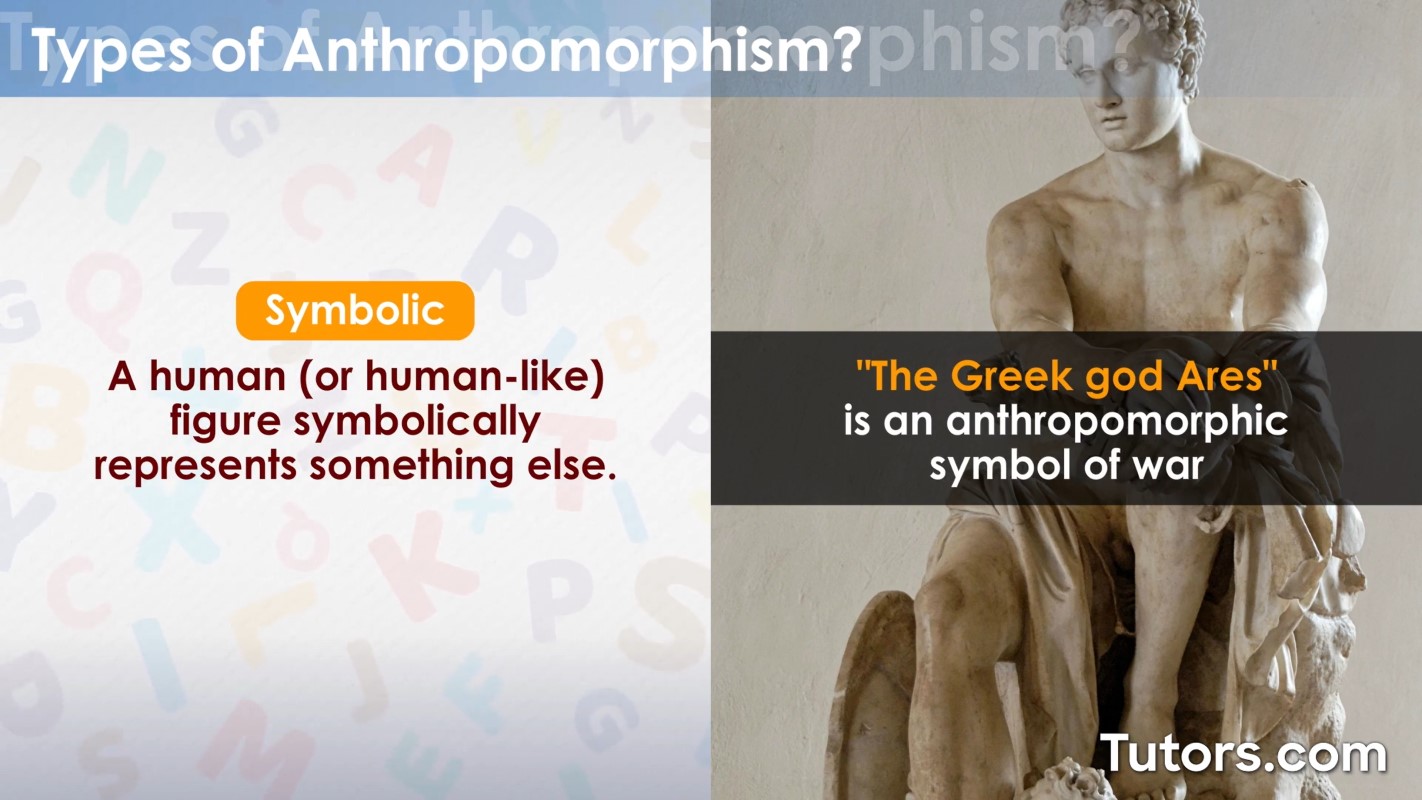
Anthropomorphism taps into a universal language of storytelling, one that transcends geographic and sociopolitical boundaries. From ancient myths to modern media, humanizing the non-human has proven a timeless means of communication. Political ads that employ this device thus align themselves with a deep-rooted cultural resonance.
This durability imbues them with a unique appeal—one that does not merely capture fleeting attention but connects with archetypal awareness. The human mind is wired to respond to narratives featuring personalities and dramas, making anthropomorphic political ads a perennial technique for bridging complex realities with everyday understanding.
Conclusion: The Subtle Power of the Human Touch in Political Narratives
Anthropomorphism in political advertisements is more than a creative flourish—it is a strategic conduit for engagement. By imbuing policies, ideals, and causes with human qualities, political campaigns animate their messages, inviting audiences into a shared narrative space charged with empathy and meaning. This unique appeal, suffused with metaphor and storytelling, transforms passive viewers into active participants in the democratic process. Yet the potency of this human touch also demands ethical responsibility, ensuring the swing from abstraction to human connection enriches public discourse rather than distorts it. As politics continues to navigate the shifting sands of communication, anthropomorphism remains a beacon of transformative potential—an artful dance between mind, heart, and message.