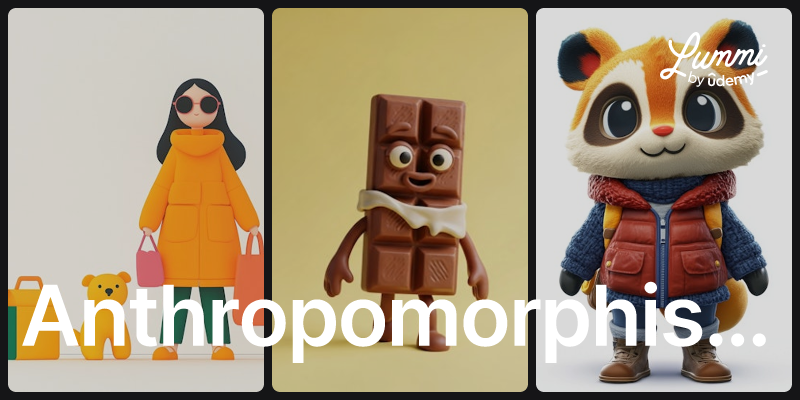
Why would a fashion brand choose to showcase its latest collection through anthropomorphic models instead of traditional human ones? Could this seemingly whimsical choice harbor deeper strategic intentions, or is it merely a fleeting trend born from creative experimentation? In an industry perpetually seeking novel ways to captivate audiences, the adoption of anthropomorphic figures—those imbued with human traits yet often depicted as animals—poses both a fascinating conundrum and a provocative challenge. Delving into this captivating phenomenon reveals a multifaceted tapestry woven from psychological appeal, branding innovation, cultural commentary, and digital evolution.
The Allure of Anthropomorphism in Visual Storytelling
At the core of why fashion brands employ anthropomorphic models lies a fundamental human proclivity: the innate attraction to storytelling that blends familiarity with fantasy. Animals endowed with human mannerisms evoke a curious duality—anchoring viewers in recognizable behavior while simultaneously inviting them into an alternative realm. This fusion crafts a narrative aura that mere human models might struggle to achieve. The anthropomorphic figure becomes a canvas upon which brands project themes of transformation, identity, or even rebellion.
In essence, these figures serve as powerful visual metaphors. For example, a sleek fox clad in haute couture does more than exhibit clothing; it embodies cunning sophistication melded with wild elegance. Such portrayals spark curiosity and generate emotional engagement, allowing viewers to construct their own interpretations and deepening their investment in the fashion story being told.

Brand Differentiation Amidst Saturation
In today’s saturated fashion marketplace, differentiation is not merely advantageous—it is imperative. Brands continuously vie for consumer attention in an ocean of countless campaigns, runway shows, and digital advertisements. Anthropomorphic models emerge as a compelling mechanism to distinguish one label from another.
This strategic choice can be understood as an act of semiosis—a deliberate use of signs and symbols that convey meaning beyond the obvious. The adoption of animalistic traits fused with human sensibilities infuses the brand narrative with a distinct iconography. It establishes immediate recognition and memorability, fostering a unique identity in the minds of consumers. The anthropomorphic approach disrupts the commonplace and invites a breath of fresh creativity that can reverberate across social media platforms and cultural conversations alike.
Psychological Impact: Engaging the Subconscious Mind
Psychologists have long studied how anthropomorphism bridges the gap between the familiar and the extraordinary by activating subconscious cognitive pathways. When consumers encounter an anthropomorphic figure, their brains instinctively assign emotional attributes to it. This phenomenon, known as affective transfer, enables the entity to evoke empathy, trust, or even playfulness—sensations that human models might deliver less viscerally under certain circumstances.
Moreover, anthropomorphic imagery taps into innate patterns of human recognition. Facial features combined with animalistic forms trigger instincts deeply embedded within the psyche, resulting in heightened attention and recall. This not only enhances message retention but also shapes consumer perceptions favorably, aligning them emotionally with the brand’s ethos.
Flexibility and Creativity in Fashion Representation
Anthropomorphic models offer an expansive playground for creative expression that transcends typical human constraints. Designers and photographers gain the ability to amplify certain characteristics—exaggerating elegance, mystique, or other qualities—by manipulating form and narrative. The freedom to deviate from strictly human anatomy or behavior unleashes imaginative possibilities that can redefine the very essence of fashion reportage.
Furthermore, this artistic liberty allows for the seamless blending of digital and physical realities. From digitally crafted wolf models sashaying in couture gowns to giraffe figures sporting avant-garde designs, the range of expression becomes boundless. Such hybrid creativity fosters innovation and can propel forward-thinking fashion houses to the forefront of cultural relevance.
Cultural Commentary and Social Reflection
The use of anthropomorphic characters in fashion campaigns often transcends aesthetic appeal, venturing into the realm of cultural critique and commentary. By harnessing animal symbolism, brands can subtly address issues like identity fluidity, ecological awareness, or social hierarchies.
For instance, portraying a fierce anthropomorphic wolf in luxury attire might invoke themes of power dynamics and survival instincts, prompting reflection on societal structures. Alternatively, featuring endangered species as stylized fashion icons can raise consciousness about environmental preservation. This layered approach grants fashion a voice beyond mere consumerism, situating it within broader dialogues on contemporary challenges.
Adaptation to the Digital Era and Virtual Fashion
As the fashion landscape increasingly integrates virtual platforms and immersive experiences, anthropomorphic models adapt naturally to these novel environments. Virtual influencers and avatars shaped as human-animal hybrids flourish in metaverse realms and gaming ecosystems, where boundaries between reality and imagination blur.
This evolution opens up unprecedented avenues for brand engagement. Virtual anthropomorphic models can be programmed to exhibit specific behaviors, launch interactive campaigns, and connect with digitally native audiences in ways that traditional models cannot. In this emerging paradigm, such figures become indispensable cultural intermediaries, bridging fashion with technology and social innovation.
Conclusion: The Multifaceted Magnetism of Anthropomorphic Models
The question of why fashion brands employ anthropomorphic models reveals a complex interplay of psychological intrigue, marketing strategy, artistic innovation, and social commentary. Far from mere gimmicks, these figures represent a sophisticated tool to captivate audiences, differentiate brands, and explore new frontiers in storytelling. While the challenge lies in balancing novelty with authenticity, the enduring appeal of anthropomorphic representation suggests profound potential for reshaping fashion’s narrative landscape. Ultimately, the fusion of human and animal forms in fashion imagery invites us to reconsider identity, creativity, and connection in ever-evolving cultural contexts.