Imagine walking through a bustling marketplace where each product whispers tales of its own charm and character. Food advertisements, in their artful dance with anthropomorphism, breathe life into otherwise inanimate edibles, transforming them from mere sustenance into charismatic companions. This subtle yet potent infusion of human traits into food imagery not only ignites curiosity but intricately weaves emotional bonds that steer consumer behavior in unexpected and profound ways.
The Enchantment of Anthropomorphic Appeal in Food Advertising
Food ads that anthropomorphize their offerings are akin to storytellers painting vibrant portraits. By bestowing human-like expressions, gestures, or emotions onto food items, these advertisements open a portal for consumers to emotionally connect with products. This method transforms the ad from a straightforward sales pitch into a narrative experience, where the product assumes a persona that is relatable and memorable. The unique appeal lies in how these humanized foods become emblematic ambassadors of joy, comfort, or even whimsy, making them more than just nourishment—they become symbols of personality and identity.
Emotional Resonance: Building Bridges Between Consumers and Products
Human beings are naturally wired to seek connections, and anthropomorphism taps into this primal desire. When a cartoonish apple winks or a chocolate bar smiles, consumers innately attribute emotions such as friendliness, trustworthiness, or fun. This emotional resonance is a powerful catalyst for decision-making, especially in a marketplace saturated with choices. By eliciting empathy and affection, anthropomorphized food ads can lower consumers’ psychological barriers, fostering a sense of familiarity that translates into preference and loyalty. It’s as if the food item extends a warm handshake, inviting consumers into a symbolic relationship.
The Metaphor of Food as a Companion: Satisfaction Beyond Taste
Just as a close friend can provide comfort during stressful times, anthropomorphized food in advertising assumes the metaphorical role of a companion. This unique appeal transcends the mere sensory promise of flavor; it evokes the idea of emotional nourishment. These ads position food as not just something to consume but as an experience to behold and enjoy—something that “understands” the consumer’s needs and desires. This metaphor amplifies the product’s allure, transforming routine purchases into personal rituals imbued with meaning.
Influence on Brand Personality and Consumer Identity
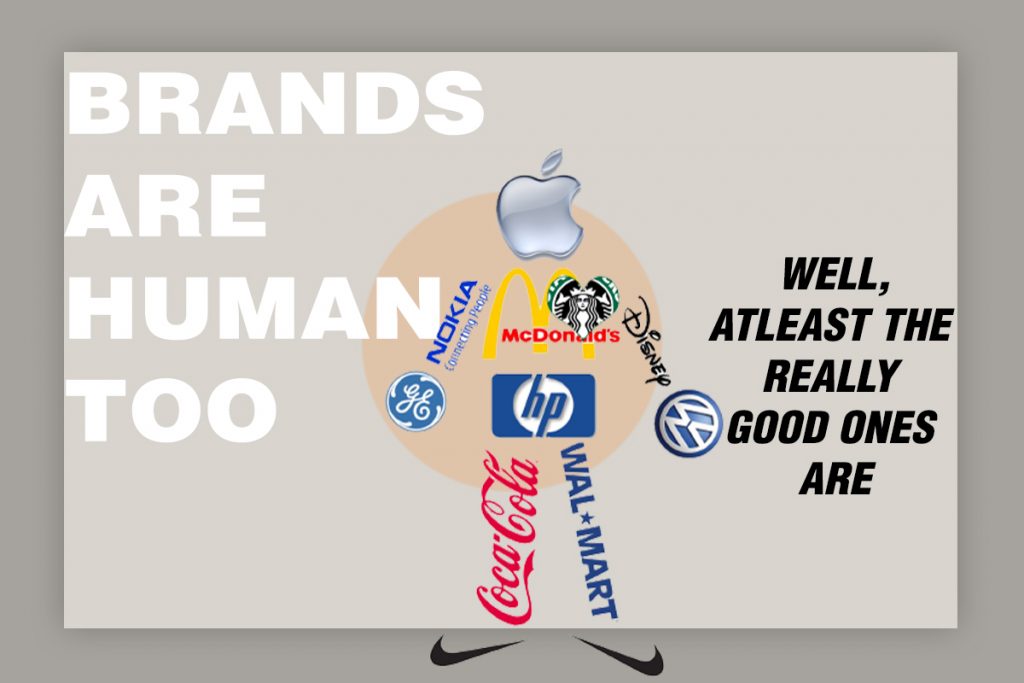
Anthropomorphism in food ads subtly crafts a brand’s personality, shaping how it is perceived in the consumer’s mind. A yogurt cup animated with cheerful eyes or a sandwich sporting a playful grin signals traits such as fun, wholesomeness, or approachability. Consumers often gravitate toward brands whose personalities mirror or complement their own identities. The humanized portrayal offers a mirror reflecting the consumer’s values and aspirations, making the brand an extension of the self. This alignment can significantly sway consumer preference, turning abstract branding into intimate relationships.
Psychological Underpinnings: Why Personification Works
The effectiveness of anthropomorphism rests on deep-rooted cognitive tendencies. Humans habitually attribute agency and intentionality to objects to make sense of the world, a phenomenon known as the “intentional stance.” Applying this to food ads, when products are personified, they seem to “act” with purpose, which simplifies choices and enhances engagement. Moreover, anthropomorphic cues activate social cognition pathways in the brain, promoting attention and memory retention. This heightened engagement leads to greater brand recall and increases the likelihood of purchase, illustrating how subtle human-like features can recalibrate consumer perception and choice.
Shaping Purchase Intentions through Playful Narratives
Anthropomorphic food ads often craft whimsical narratives that delight and entertain. These stories embed the product into playful scenarios, turning the act of buying into an adventure or a shared joke. This narrative element can disrupt the utilitarian mindset of consumers, inviting them to embrace spontaneity and enjoyment. By infusing humor and charm, such advertisements reduce perceived risk and increase openness to experimentation, thereby nudging consumers toward purchase. The food ceases to be just an object on the shelf; it becomes a protagonist in an engaging tale where the consumer participates as an eager audience and active player.
Augmenting Memory and Recognition in Saturated Markets
In cluttered promotional environments, standing out is paramount. Anthropomorphism acts as a powerful differentiator by imbuing products with distinctive attributes that anchor themselves in consumer memory. Human-like characters, expressive faces, or relatable behaviors make ads visually and emotionally distinctive. This memorability is critical; consumers recall and recognize anthropomorphic ads more readily, simplifying decision-making during shopping. Consequently, brands employing this approach gain competitive advantage, as their products linger longer in the consumer’s cognitive landscape, influencing choices long after the initial exposure.
Ethical Dimensions and Potential Limitations
While anthropomorphism holds undeniable influence, it also raises ethical considerations. By fostering emotional attachments to food, there is potential for manipulating vulnerable consumers, including children, who may conflate product personalities with genuine friendship or affection. Moreover, the playful imagery might obscure nutritional facts, steering consumers toward indulgent choices at the expense of health awareness. Understanding these limitations is crucial for marketers aiming to deploy anthropomorphic strategies responsibly, balancing appeal with transparency and consumer well-being.
Conclusion: The Enduring Magic of Humanizing Food
Anthropomorphism in food advertising acts as an enchanting prism, refracting mundane products into vibrant personalities that captivate the consumer’s imagination. Through emotional resonance, metaphorical companionship, and cognitive engagement, personified food transcends mere utility, evolving into a cherished figure within consumers’ daily lives. This unique appeal not only elevates brand identity but profoundly shapes consumer choices in an increasingly complex marketplace. As advertisers continue to refine this art of humanization, the delicious dance between food and human psyche promises to remain a compelling force in the theater of consumer behavior.