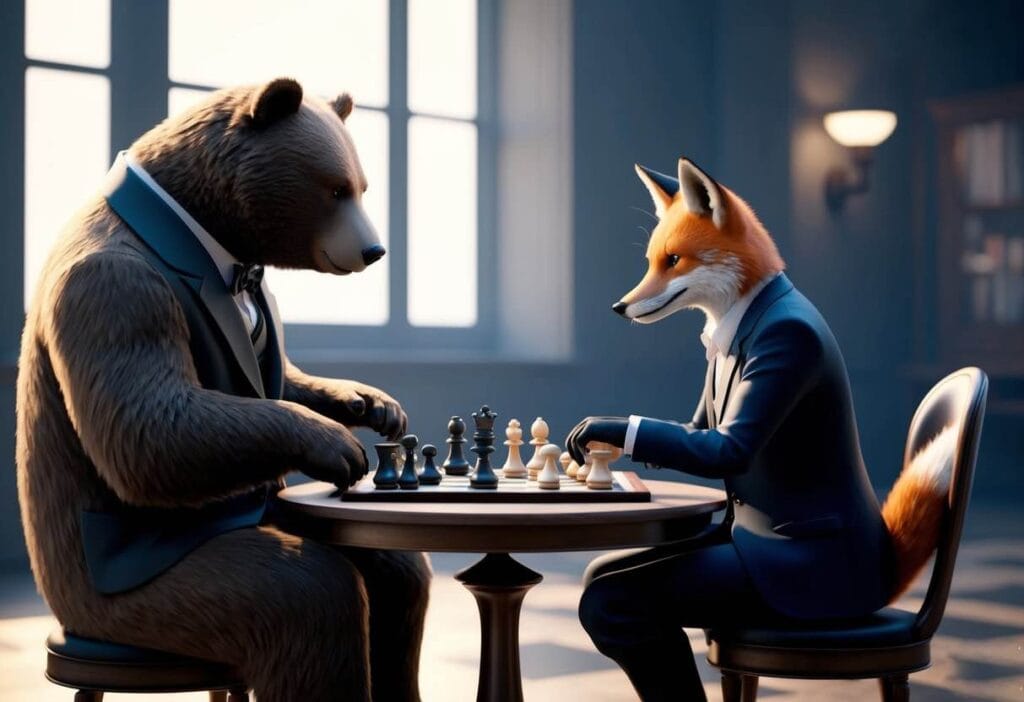
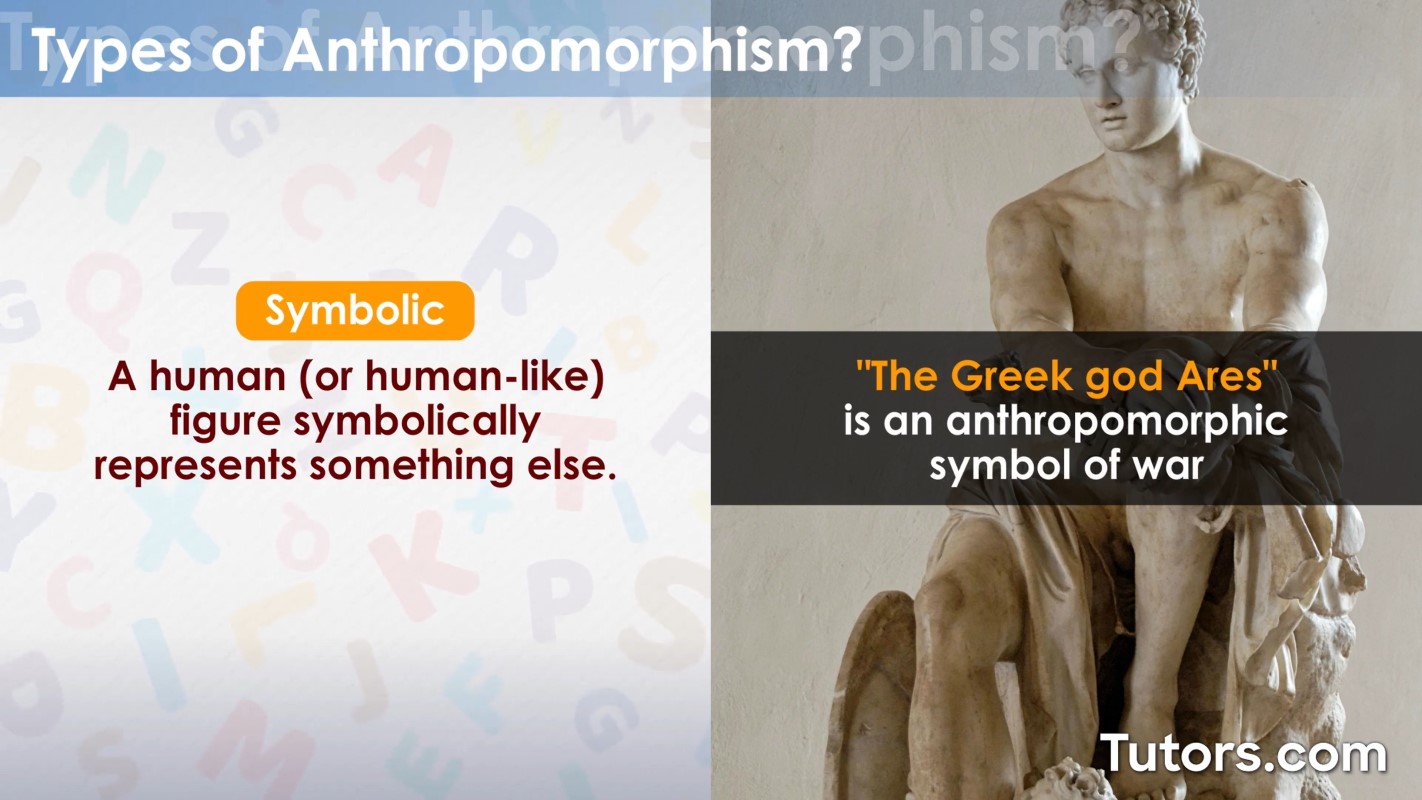
Imagine a world where inanimate products whisper secrets to consumers, forging bonds not just through utility, but through an almost human connection. This alchemy—turning cold merchandise into relatable companions—is the subtle power of anthropomorphism. Like giving soul to a statue, imbuing products with human traits unlocks a unique pathway in the marketplace, transforming mundane shopping experiences into compelling narratives of trust, emotion, and identity. The impact of anthropomorphism on merchandise sales stretches far beyond gimmickry; it taps into the very fabric of human psychology, where personification ignites curiosity, empathy, and ultimately, purchase behavior.
The Psychological Magnetism of Anthropomorphism
Anthropomorphism serves as a psychological lodestone, drawing consumers closer by animating products with familiar human traits — expressions, intentions, and emotions. This isn’t merely about playful imagery or cartoonish mascots; it’s a profound cognitive shortcut. When consumers perceive a product as possessing personality traits, such as trustworthiness or friendliness, it alleviates uncertainty and engenders an inherent liking. The product transcends its materiality, becoming a character in the consumer’s personal narrative. This connection nurtures emotional resonance, a crucial ingredient in fostering brand loyalty and repeated purchases.
Nested within this psychological appeal is the phenomenon of anthropomorphic projection. Customers project their own feelings and intentions onto the brand, filling gaps in information with imagination. This mental personification reduces psychological distance, making decisions feel less transactional and more relational. Consequently, anthropomorphized products become perceived as companions rather than commodities, elevating their value beyond mere function.
Anthropomorphism as a Catalyst for Brand Trust
Trust is the cornerstone of commerce, often elusive and difficult to quantify. Anthropomorphism acts as a catalyst, accelerating the formation of trust between buyer and brand. When a product or brand exhibits human-like qualities, especially those associated with reliability and empathy, it softens consumer skepticism. The product appears more transparent and approachable. It is as if the merchandise wears a friendly face, inviting open dialogue rather than guarded suspicion.
Brands that embrace anthropomorphic characteristics often evoke narratives of care and responsibility. For example, a toothpaste brand portrayed as a diligent guardian of oral health invites a persona consumers can depend on. This perceived accountability reduces perceived risk, which is instrumental in converting tentative interest into firmer purchase intentions. In essence, anthropomorphism activates the same relational mechanisms that govern interpersonal trust, but within the marketplace.
The Unfolding of Storytelling Through Anthropomorphized Merchandise
At the heart of anthropomorphism lies storytelling’s transformative power. Products animated with human-like attributes become protagonists in stories consumers want to follow. This narrative synergy elevates the act of purchasing from a mere transaction to participation in a larger mythos—one that reflects the consumer’s identity, aspirations, or values.
Consider merchandise that subtly embodies virtues such as courage, wisdom, or playfulness. These traits create a rich tapestry upon which consumers project their desires and fantasies. The product becomes a talisman that embodies personal expression, a silent yet potent emblem of who they are or hope to be. By weaving anthropomorphism into the fabric of branding, companies craft immersive experiences that engender emotional investment, making the product not just needed, but cherished.
Influence on Consumer Decision-Making Dynamics
Consumer choices seldom transpire in isolation from emotional and unconscious influences. Anthropomorphism influences decision-making by simplifying the complexity of evaluating products through human-like cues. Facial features or voices assigned to products can elicit positive affective responses, particularly under cognitive load or information overload.
Moreover, anthropomorphic design elements function as heuristics — mental shortcuts that speed decisions under uncertainty. A product that appears “friendly” or “wise” can sway consumers toward faster, more confident choices. Paradoxically, this simplification does not diminish discernment; it enriches the shopping experience by providing emotional anchors that guide reasoning.
Enhancing Memorability and Differentiation in Saturated Markets
In a marketplace awash with choices, standing out is a formidable challenge. Anthropomorphism bestows a unique personality and visage, making merchandise singular and memorable. Like a charismatic storyteller amidst a crowd of monotone speakers, anthropomorphized products capture attention and linger in memory.
This distinctiveness serves as a competitive moat. When consumers recall their experience, the anthropomorphic traits often surface first, influencing future purchase behavior. The product’s persona becomes an extension of its brand identity, an irreplaceable asset that deepens differentiation beyond price or features.
Ethical Considerations and Consumer Sensitivity
While anthropomorphism wields considerable persuasive power, it also raises ethical considerations. The fine line between engaging marketing and manipulative design must be navigated with care. Over-anthropomorphizing might generate unrealistic expectations or blur transparency, potentially leading to consumer disillusionment.
Brands must balance charm with authenticity, ensuring that the human-like attributes enrich rather than obfuscate the product’s true nature and value. Sensitivity to cultural differences in anthropomorphic reception is also crucial, as the human traits imparted must resonate positively without eliciting discomfort or mistrust.
The Future Horizon: Anthropomorphism in the Age of AI and Virtual Influencers
Emerging technologies catalyze new frontiers for anthropomorphism. Artificial intelligence and virtual influencers elevate the humanization of merchandise to unprecedented levels. Interactive and adaptive personalities embodied by products transform static encounters into dynamic relationships, deepening engagement.
Future consumers may interact with merchandise that learns, responds, and evolves—mirroring the complexity of human relationships. This convergence of anthropomorphism and technology promises to reshape the retail landscape, where products become not only objects of desire but companions along life’s journey.
In the grand theater of commerce, anthropomorphism is a masterstroke—casting products as actors endowed with life—and offering consumers a story, a bond, and ultimately a reason to buy not just with their wallets, but with their hearts.