In the dynamic world of sports branding, logos serve as potent visual ambassadors that transcend mere identification. Among the vast spectrum of logo design, anthropomorphic logos—those that imbue human traits into animals or objects—hold a captivating allure. They encapsulate a blend of power, personality, and relatability that resonates deeply with fans and teams alike. But what compels sports franchises to adopt such imagery? More than just aesthetic appeal, these logos promise a shift in how teams are perceived, offering a nuanced narrative that goes beyond competition. Delving into the motivations behind this phenomenon reveals a complex interplay of psychology, cultural symbolism, and marketing acumen.
Anthropomorphism: More Than Mere Imagery
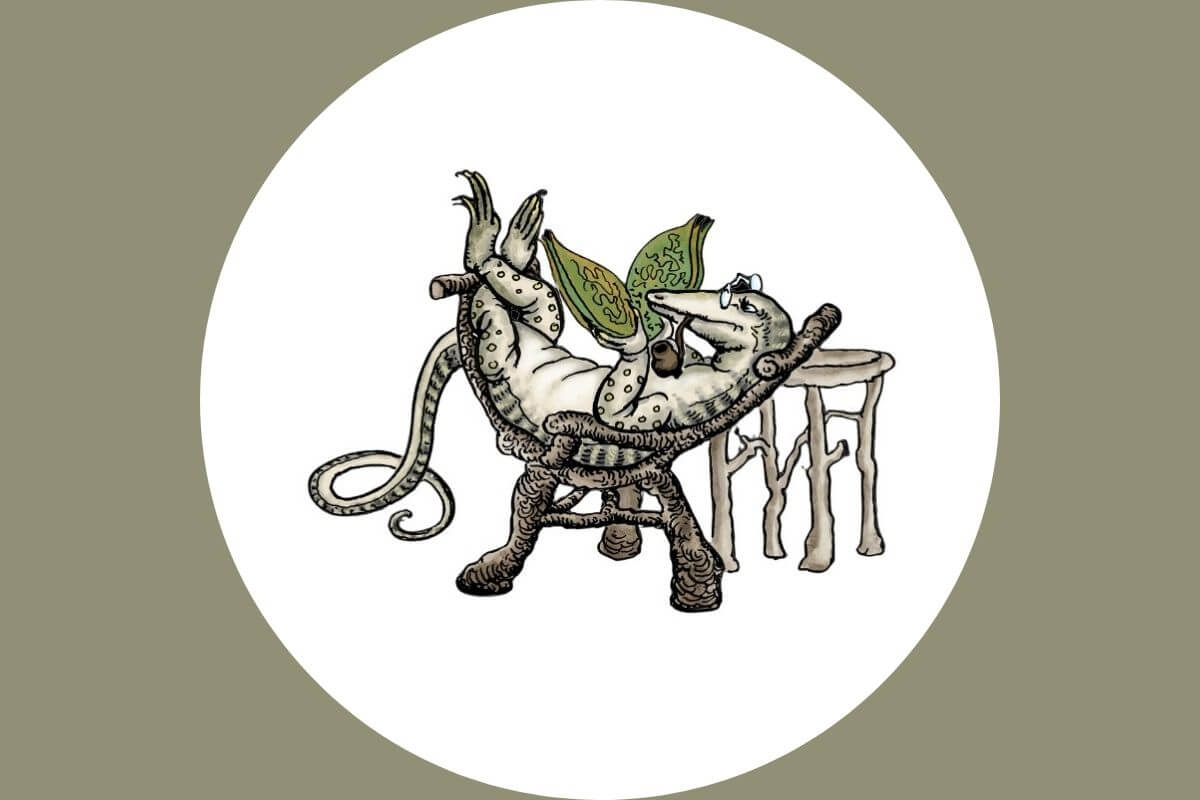
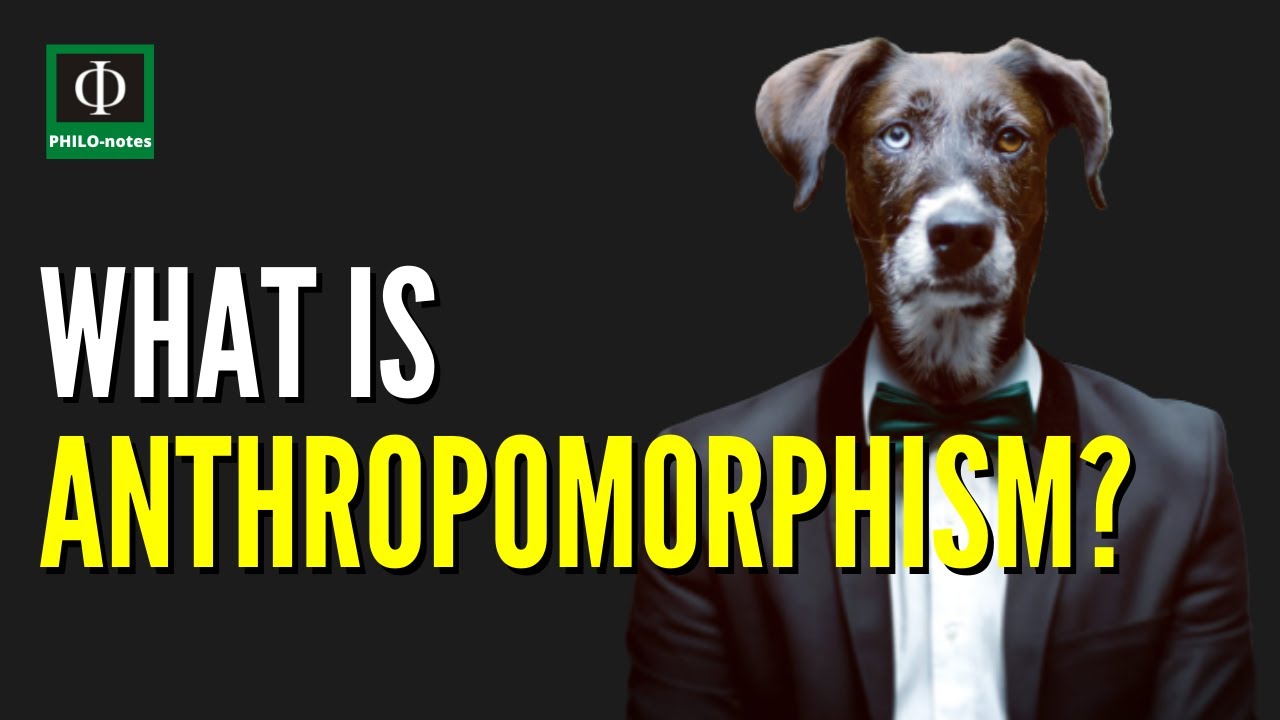
At its core, anthropomorphism is the attribution of human characteristics to non-human entities. When sports teams use anthropomorphic logos, they transform animals or symbols into entities with emotions, intentions, and even personalities. This technique does not merely add visual interest; it creates a bridge between the intangible spirit of a team and the tangible empathy of its audience. Teams become more than faceless competitors—they emerge as characters within an ongoing saga, each with a story to tell. This approach fosters a profound emotional connection, galvanizing fan loyalty and enhancing brand recognition in ways that abstract or purely symbolic logos rarely achieve.
The Psychological Magnetism of Anthropomorphic Logos
Scientific studies in cognitive psychology illuminate why anthropomorphism resonates so strongly. Humans have an innate tendency to seek patterns and familiar forms, especially those resembling themselves. This inclination is evolutionarily wired; recognizing faces or human traits in ambiguous shapes helped early humans navigate social complexities. Anthropomorphic logos leverage this cognitive bias, encouraging fans to subconsciously relate to the emblem as if it were a sentient being. This perceived sentience can evoke powerful emotions—pride, anger, determination—that mirror the qualities fans desire in their teams. Consequently, the logo becomes a vessel for projecting collective identity and ambition.
Augmenting Team Identity Through Storytelling
Sports are not merely games; they are narratives enriched with heroes, villains, triumph, and adversity. Anthropomorphic logos provide a fertile ground for storytelling by assigning human-like narratives to the team’s mascot or symbol. These logos often suggest virtues such as courage, resilience, or cunning, portrayed through fierce eyes, aggressive stances, or confident smirks. Such visual storytelling deepens engagement, inviting fans to see their team as dynamic protagonists in an evolving drama. This narrative dimension extends beyond game day, infusing merchandise, marketing campaigns, and social media with consistent thematic flourishes that strengthen brand cohesion.
Cultural Symbolism and Mythology Embedded in Logos
Anthropomorphic logos frequently tap into ancient and cultural mythologies, drawing upon universal archetypes that have shaped human consciousness for millennia. Animals like lions, wolves, and eagles carry allegorical weight—symbols of nobility, pack loyalty, and freedom, respectively. By anthropomorphizing these creatures, teams simultaneously invoke these profound connotations while updating them with modern flair. This tethering to timeless symbolism imbues logos with gravitas, making them more than contemporary design choices—it roots them in the collective subconscious and cultural heritage, thus amplifying their resonance across diverse fanbases.
Strategic Marketing and Brand Differentiation
In today’s saturated sports market, differentiation is paramount. Anthropomorphic logos offer a strategic advantage by allowing teams to craft distinctive, memorable images that stand out in a sea of competitors. These logos are versatile, functioning effectively across varied media platforms—from digital displays to apparel, to stadium signage. Their human-like qualities make them adaptable for mascots and animated representations, further enhancing fan engagement. Moreover, anthropomorphic logos create an inherent flexibility to evolve with the team, permitting subtle design updates that keep the brand fresh while maintaining core identity. This adaptability ensures longevity and sustained relevance.
Fostering Team Unity and Fan Inclusivity
One of the less overt yet crucial reasons for utilizing anthropomorphic logos lies in their power to foster a sense of unity and inclusivity. By embodying human traits, these logos communicate relatable virtues and emotive cues that cut across social and cultural divides. Fans don’t just root for a faceless institution; they rally behind a figure that exemplifies shared values and aspirations. This mechanism enhances collective identity, creating a cohesive community bound by symbolic allegiance. The anthropomorphic figure becomes an emblematic touchstone—a unifying force in the multifaceted and often fragmented world of sports fandom.
The Evolutionary Shift in Logo Design Philosophy
Historically, sports logos leaned heavily on literal representations or straightforward symbols. However, a noticeable paradigm shift toward anthropomorphism reflects broader cultural changes. Audiences now crave stories, personality, and emotional depth in brand elements. Anthropomorphic logos respond to this desire by blurring the lines between commerce, culture, and psychology. They challenge the reductive notion of a logo as simply a “badge,” transforming it into a living icon capable of evolving narratives and emotional engagement. This metamorphosis signals a future where logos are not just identifiers but ambassadors of identity and expression.
Conclusion: More Than a Mascot—An Embodiment of Spirit
Anthropomorphic logos in sports transcend traditional design paradigms, offering teams a unique means to embody spirit, personality, and mythology all at once. These logos promise a shift in perspective, from viewing teams as mere competitors to embracing them as characters in an epic saga. Through psychological connection, cultural resonance, strategic differentiation, and unifying symbolism, anthropomorphic logos have become indispensable tools in the arsenal of sports branding. They invite curiosity and foster loyalty, ensuring that every glance at the emblem evokes a story of passion, identity, and enduring legacy.