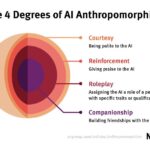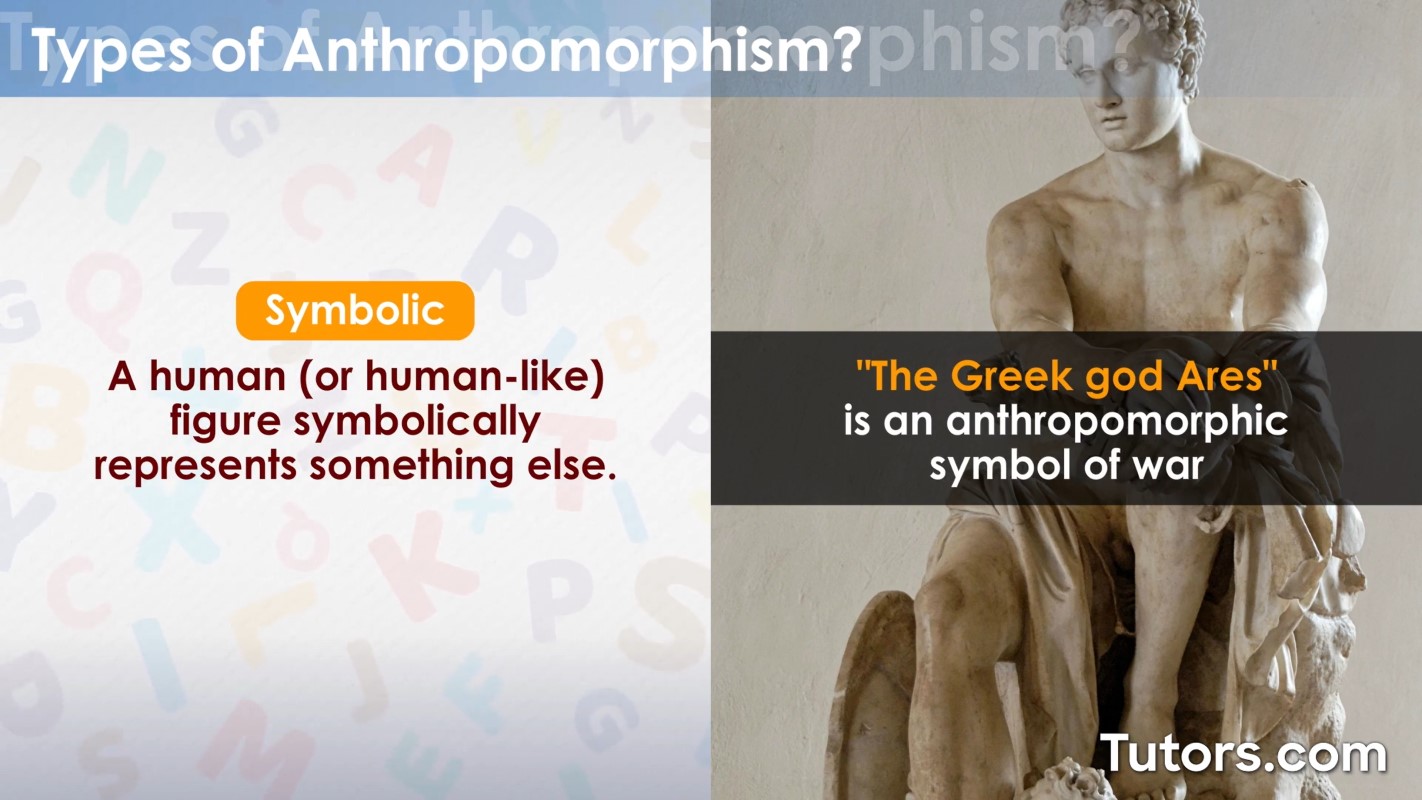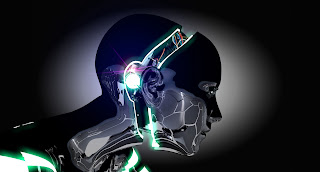
In the evolving landscape of artificial intelligence, anthropomorphism—the attribution of human traits and qualities to AI systems—is more than a mere design choice; it reflects a deep-seated fascination rooted in our intrinsic desire to connect with technology on a human level. This allure, while unlocking new dimensions of user interaction, ushers in an array of complex legal challenges that remain largely uncharted. As AI systems become increasingly humanlike—exhibiting emotions, engaging in conversations, and even making decisions—the law struggles to reconcile these advancements with established legal frameworks. Understanding the legal implications of anthropomorphism in AI requires a rigorous exploration of liability, personhood, intellectual property, and ethical accountability embedded within this phenomenon.
The Psychological Underpinnings of Anthropomorphism and Its Legal Consequences
Anthropomorphism taps into a fundamental cognitive bias where humans instinctively assign life-like characteristics to non-living entities. This predisposition is not trivial; it shapes expectations and interactions with AI. When a chatbot exhibits empathy or a robot displays patience, users often perceive them as entities capable of understanding and intention. Such perceptions can blur the lines of responsibility and legal accountability.
This psychological tether heightens the risk of misplaced trust or reliance on AI systems, leading to potential harms. For example, if an AI-powered assistant provides misleading advice, users may attribute intentional maleficence or negligence. Legally, this raises questions about who bears responsibility—the developer, the operator, or the AI entity itself. The law’s conventional reliance on tangible actors and clear intent becomes precarious in these nuanced encounters.
Legal Personhood and the Question of AI Agency
The notion of legal personhood is foundational in jurisprudence, traditionally reserved for humans and legal entities like corporations. Anthropomorphic AI challenges this paradigm by mimicking attributes associated with agency and decision-making. Should an AI that independently makes consequential decisions be granted a form of legal agency? This question is highly contentious.
If anthropomorphized AI systems are to be recognized as legal persons, it would necessitate a dramatic overhaul of existing legal doctrines. Personhood confers rights and obligations, enabling AI to be sued or held liable. Yet, extending this status to AI risks diluting concepts of moral culpability intrinsic to human nature. The current legal consensus leans towards retaining AI as tools under human governance, but ongoing debates underscore the urgency of preemptive legal frameworks tailored for anthropomorphized entities.
Liability Complexities in Anthropomorphic AI Interactions
Traditional liability models hinge on clear causation and fault. Anthropomorphism complicates this by engendering scenarios where harm results from AI decisions that appear autonomous or intentional. For instance, consider a healthcare AI robot that provides erroneous diagnoses due to misinterpreted data. If the robot’s humanlike demeanor led medical staff to over-trust its output, pinpointing liability becomes labyrinthine.
Manufacturers, programmers, and end-users may all share a portion of legal responsibility, but the degree remains ambiguous. The “black box” nature of many AI systems further obfuscates fault attribution, emphasizing the need for transparent algorithms and accountability standards. Lawmakers are thus compelled to refine negligence and product liability doctrines to encompass anthropomorphic AI’s unique risks.
Intellectual Property Rights and the Identity of Anthropomorphic AI
Anthropomorphism often involves highly customized personas and interactive behaviors, blurring the boundaries between AI-generated creativity and human intellectual property (IP). When an anthropomorphic AI creates content—be it art, music, or literature—questions arise: who owns the output? Is it the creator of the AI, the end-user, or the AI system itself?
Traditional IP law is inadequately equipped to handle creations attributed to entities lacking legal personhood. The humanlike characteristics embedded in AI complicate attribution further, especially when the AI’s behavior evolves through machine learning. Ensuring proper IP protections demands novel legislative approaches that recognize the intricate interplay between human input, AI autonomy, and the anthropomorphic veneer that enhances perceived originality.
Ethical Accountability and Regulatory Oversight
Anthropomorphic AI evokes ethical concerns with direct legal ramifications. Users may be manipulated by AI that displays empathy or trustworthiness, potentially leading to exploitation or privacy violations. The embedding of human traits in AI systems necessitates robust ethical guidelines that can be enforced through regulatory mechanisms.
Transparency is paramount: users must be aware when they interact with artificial agents and understand the limitations thereof. Regulatory bodies must establish standards governing anthropomorphic AI design to prevent deception, safeguard user autonomy, and impose penalties for unethical practices. The law must evolve from reactive litigation to proactive governance, ensuring anthropomorphic AI serves societal interests without infringing on individual rights.
Data Protection and Consent in Humanlike AI Systems
Anthropomorphic AI often requires extensive data collection to simulate human behaviors realistically. This data acquisition raises critical issues surrounding consent, data privacy, and security. Legal regimes like GDPR emphasize informed consent and data minimization, but anthropomorphic AI’s immersive interactions complicate compliance.
Users may unwittingly divulge sensitive information, assuming the AI shares human empathy and discretion. Legislators must therefore develop stringent protocols governing data use in anthropomorphic systems, ensuring that privacy protections keep pace with technological sophistication. Legal instruments should mandate clear disclosures about data collection practices and incorporate mechanisms to audit AI behavior for compliance.
Implications for Consumer Protection and Contractual Relations
When AI takes on human characteristics, it becomes a quasi-agent in commercial and contractual contexts. For instance, chatbots negotiate terms, or virtual assistants make reservations. The anthropomorphic interface engenders user reliance on AI’s “judgments,” raising issues of contractual validity and consumer protection.
Are users entering agreements with the AI entity or the provider behind it? Legal ambiguity persists in defining the parties involved, which affects recourse in disputes. Consumer protection laws must be adapted to clarify responsibilities, ensure fairness, and prevent exploitation stemming from anthropomorphic misrepresentations. Additionally, terms of service may need to explicitly address AI’s role to avoid ambiguity.
Future Challenges and the Necessity for Multidisciplinary Legal Frameworks
As anthropomorphic AI continues to permeate society, the legal landscape must keep stride with its implications. The confluence of technology, psychology, ethics, and law calls for multidisciplinary collaboration to craft comprehensive legal frameworks. Static laws are insufficient for the dynamic nature of anthropomorphic AI interactions.
Policymakers, technologists, and legal scholars must join forces to anticipate emergent risks, balancing innovation with protection. This will likely include adaptive liability regimes, new categories of legal status, and international harmonization to manage AI’s borderless reach. Only through proactive and nuanced approaches can the law harness anthropomorphism’s potential while mitigating its legal entanglements.