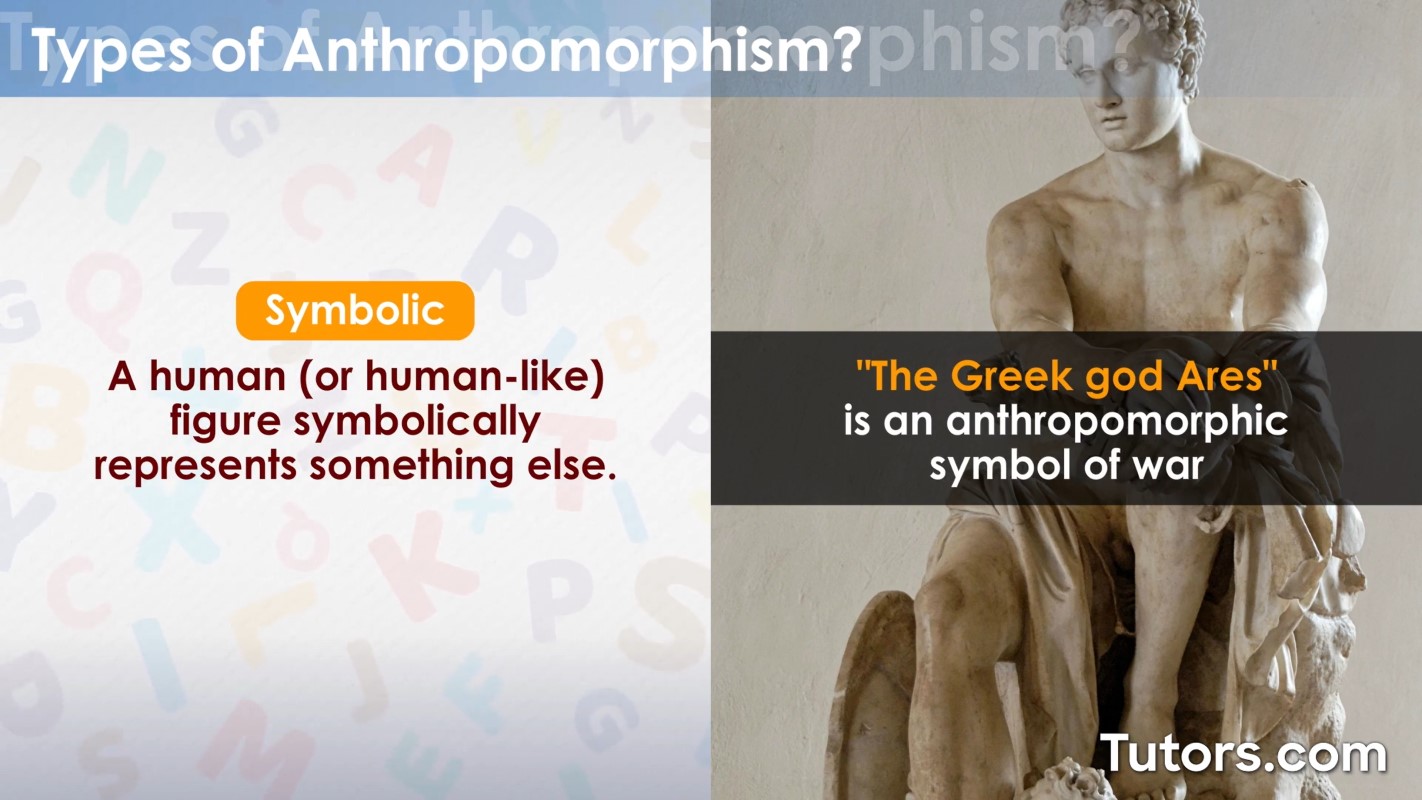
What if the stars we desire to understand begin to speak in voices colored by human traits? When we peer into the cosmos, eagerly searching for signs of life beyond Earth, do we risk adorning alien entities with the garb of human emotion and intention? Anthropomorphism—the attribution of human qualities to nonhuman entities—plays a beguiling role in astrobiology, offering both a bridge to the unknowable and a perilous distortion of the alien reality. This interplay between imagination and ethics poses a profound challenge: how can scientists and communicators balance empathy with objectivity in a field that peeks into cosmic mystery?
The Allure of Anthropomorphism in the Search for Extraterrestrial Life
Since time immemorial, humans have sought to render the unfamiliar familiar. Anthropomorphism inherently simplifies complex, inscrutable phenomena by cloaking them in human-like attributes. This cognitive shortcut makes extraterrestrial life approachable, creating narratives that resonate emotionally and intellectually. It invites us to envision alien organisms as sentient beings with desires, fears, and motives, constructing celestial kinships that bridge vast cosmic gulfs.
In astrobiology, this figurative gesture stimulates imagination and fuels public engagement. Concepts such as extraterrestrial intelligence often conjure images reminiscent of human consciousness, fostering curiosity and accessibility. Yet this allure is a double-edged sword. By imposing anthropocentric frames, researchers risk conflating scientific inquiry with speculative fantasy, blurring the lines between evidence-based hypotheses and cultural projections.
Anthropomorphism as an Ethical Quagmire: The Risk of Projection
Assigning human traits to alien life forms risks projecting inherent biases onto fundamentally unknown entities. Human experiences, emotions, and cognitive frameworks may bear little relevance to life that evolved under radically different conditions. When astrobiologists or science communicators inadvertently anthropomorphize, they may distort the authenticity of potential discoveries, leading to misinterpretation or misplaced expectations.
Such projection could also hinder scientific rigor. Preconceived notions shaped by anthropomorphic assumptions may color experimental design, data interpretation, and even exploration priorities. For instance, searching for life that mirrors Earth’s biochemistry and behavior might inadvertently exclude forms of life vastly divergent from terrestrial norms. This not only narrows the investigative lens but also perpetuates an Earth-centric bias dangerous for genuine discovery.
Anthropomorphism in Science Communication: Bridging Understanding or Breeding Misconceptions?
Science communicators routinely employ anthropomorphism as an instrument to translate complex astrobiological concepts into digestible narratives. This practice can foster emotional connections and stimulate public interest, vital for funding and educational outreach. Stories featuring “curious Martians” or “intelligent cosmic beings” create a narrative intimacy that abstracts scientific data often lack.
However, this narrative strategy carries an ethical responsibility. Oversimplification or inaccurate humanization risks engendering misconceptions about alien life or the scientific process itself. The public may come to expect life forms to resemble humans or ecosystems to operate under familiar psychological paradigms. This disconnect between expectation and reality may breed disillusionment or erode trust in scientific endeavor when discoveries defy anthropomorphic portrayal.
Legal and Moral Considerations in Encountering Extraterrestrial Life
Should contact with alien life transpire, anthropomorphic assumptions might influence the ethical frameworks governing interactions. Humans instinctively assign rights and moral consideration through empathy, often guided by perceived similarity. If extraterrestrials are presumed to possess human-like emotions or cognition based solely on anthropomorphism, policies may either unjustly elevate or deny moral status.
This raises questions on cosmic stewardship: What ethical responsibilities do we bear toward life forms whose nature we scarcely comprehend? The challenge lies in crafting universal moral principles that transcend anthropocentric biases, respecting alien autonomy without defaulting to human norms. Many scholars call for precautionary ethics—mandating humility and restraint in contact scenarios precisely to avoid the pitfalls of anthropomorphic misjudgment.
Anthropomorphism and the Philosophy of Mind: Do We Project Consciousness Too Readily?
A provocative dimension of anthropomorphism touches on the philosophy of mind and consciousness. The human brain is primed to detect agency and intent, an evolutionary adaptation linked to social survival. This predisposition tempts us to attribute consciousness or deliberate behavior where none exists. Within astrobiology, this could lead to overestimations of alien cognitive capacities or simplistic assumptions about their modes of communication and existence.
Philosophers and scientists caution against conflating detectable complexity with sentience or intentionality. Recognizing this temptation helps temper speculative impulses and encourages the development of more nuanced, rigorous criteria for assessing life and intelligence beyond Earth. This discipline fosters intellectual humility amid the vast unknown.
Towards a Responsible Anthropomorphism: Navigating Between Empathy and Epistemic Caution
The challenge, then, is not to eschew anthropomorphism entirely, but to wield it responsibly—a nuanced tool rather than a deterministic framework. Carefully deployed, anthropomorphism can inspire hypotheses and invite imaginative explorations that enrich scientific inquiry. It can serve as an initial heuristic when conceptualizing alien life, prompting vital questions about possibility and diversity.
Researchers should maintain epistemic vigilance, constantly questioning where empathy ends and projection begins. Interdisciplinary collaboration, involving ethicists, philosophers, and artists alongside scientists, is pivotal in developing balanced perspectives. This integrative approach ensures that the stories told reflect a pluralism of viewpoints, enabling a deeper appreciation of cosmic life without sacrificing intellectual integrity.
Conclusion: Embracing the Mystery Without Domestication
The ethics of anthropomorphism in astrobiology presents a compelling tension between imagination and authenticity. While humanizing extraterrestrial life grants us emotional footholds in the vast, intimidating cosmos, it risks domestication of the unknown—contorting alien realities into palatable forms. The quest is to embrace wonder with discipline, to foster curiosity that respects alien otherness rather than suppresses it under the weight of human familiarity.
Ultimately, the challenge is an invitation: to expand our moral and cognitive horizons far beyond Earth-bound anthropocentrism, welcoming the cosmos in its staggering, enigmatic plurality—unfettered by the comforting illusions of self-reflection.