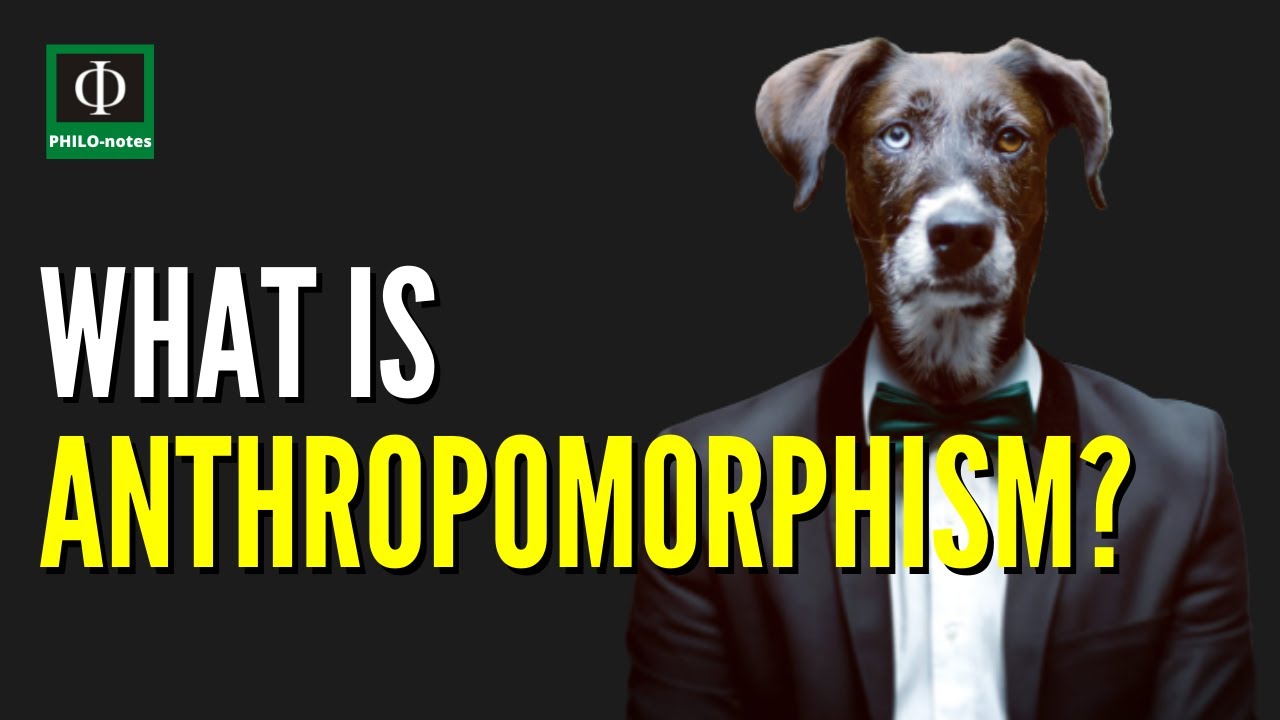
In the vast expanse of space exploration, one phenomenon persistently emerges: the tendency to attribute human characteristics to non-human entities, from robotic probes to distant celestial bodies. This act of anthropomorphism is not merely a quirky human habit; it is a profound reflection of our cognitive and emotional frameworks, shaping how we perceive and interact with the cosmos. Understanding the role of anthropomorphism in space exploration reveals deeper insights into human psychology, cultural narratives, and the perpetual quest for meaning among the stars.
The Origins of Anthropomorphism in Human Perception
Anthropomorphism is deeply ingrained in human cognition, a cognitive shortcut that allows us to interpret complex or ambiguous stimuli by relating them to familiar human traits. This proclivity originates from our evolutionary survival mechanisms, where attributing intention or emotion to unknown entities could mean the difference between life and death. Within the context of space exploration, this primordial tendency manifests in how astronauts, scientists, and the public imbue machines, landscapes, and even extraterrestrial phenomena with human-like qualities. This mental habit facilitates connection and comprehension, transforming the vast, alien void into a more navigable, emotionally accessible frontier.
Anthropomorphic Robotics: Bridging the Human-Machine Divide
Robotic explorers such as rovers, landers, and humanoid robots are central to space missions. These machines often acquire names, personalities, and even imagined emotional states, bridging the impersonal gap between man and machine. For example, the famed Mars rovers Spirit and Opportunity were often described in human terms—exhibiting persistence, curiosity, and fatigue—despite being mechanical devices devoid of sentience. This anthropomorphic lens serves multiple functions: it humanizes technology, fosters emotional investment from scientists and the public alike, and smooths communication about highly technical subjects. The resultant narratives not only enhance public engagement but also facilitate internal team cohesion among mission personnel who interact with these machines as quasi-colleagues.
The Psychological Imperative Behind Anthropomorphism in Space
Space exploration confronts humanity with isolation, vastness, and often inscrutable phenomena. Anthropomorphism becomes a psychological balm, imbuing alien environments and tools with familiar human traits to alleviate cognitive dissonance and existential unease. It satiates the intrinsic desire for relationship and agency in an environment where direct control is limited and outcomes uncertain. By assigning emotions or intentions to spacecraft or extraterrestrial processes, explorers and observers forge a semblance of companionship or understanding, which nurtures resilience and curiosity in the face of cosmic indifference.
Cultural Narratives and Mythmaking in Astronomical Contexts
Across cultures, celestial bodies have long been personified through myth and legend—gods, spirits, and entities imbued with human attributes. Modern space exploration perpetuates this tradition through naming conventions, symbolism, and storytelling. Anthropomorphizing planets, moons, or phenomena injects narratives that fulfill an innate human craving for meaning and relevance. For instance, mythological names for spacecraft or constellations anchor scientific discoveries within a shared cultural heritage, making the incomprehensibly vast cosmos feel intimate, relatable, and embedded within human history. This mythmaking propels not only scientific enthusiasm but also philosophical contemplation, providing a narrative vessel through which humanity projects hopes, fears, and aspirations.
Ethical and Epistemological Dimensions of Anthropomorphism
While anthropomorphism facilitates engagement and comprehension, it also presents ethical and epistemological challenges. Imbuing machines or environments with human-like agency can obscure objective understanding, creating biases that influence decision-making and interpretation. For instance, perceiving a rover as “tired” might anthropomorphize mechanical wear that necessitates precise engineering solutions rather than emotional empathy. Conversely, anthropomorphizing extraterrestrial lifeforms during search missions could precipitate premature assumptions about alien biology or consciousness. Recognizing the limits of anthropomorphism is thus critical to maintaining scientific rigor and ethical clarity in exploration endeavors.
Anthropomorphism’s Role in Media and Public Engagement
Media representations of space exploration heavily utilize anthropomorphism to captivate and educate. Stories recounting human-like adventures of robots or portraying planets as characters with moods and personalities resonate powerfully with audiences. This narrative strategy democratizes science, rendering arcane technical details accessible and emotionally compelling. Anthropomorphic storytelling also shapes public funding and policy support by fostering a sense of shared participation and wonder. Educational programs often deploy anthropomorphic characters as pedagogical tools, nurturing future generations’ interest and empathy toward space science.
The Future Trajectory: Anthropomorphism in the Age of AI and Deep Space Exploration
As artificial intelligence advances and exploration targets ever more distant and enigmatic domains, anthropomorphism may evolve in complexity and nuance. Cognitive architectures embedded in AI-driven probes might simulate human-like interactions more convincingly, further blurring the boundaries between machine and personification. Such developments could revolutionize human-robot collaboration, emotional support in isolated missions, and interpretive frameworks for understanding novel astrophysical phenomena. However, ensuring that anthropomorphic attributions do not impair objective analysis will remain a delicate balance that explorers and scientists must navigate.
Ultimately, the pervasive role of anthropomorphism in space exploration underscores a quintessential human paradox: the desire to transcend our earthly limits while remaining anchored in the familiar contours of human experience. It is a testament to the indomitable spirit of exploration—a voyage not only into the cosmic unknown but also into the depths of human imagination and meaning-making.