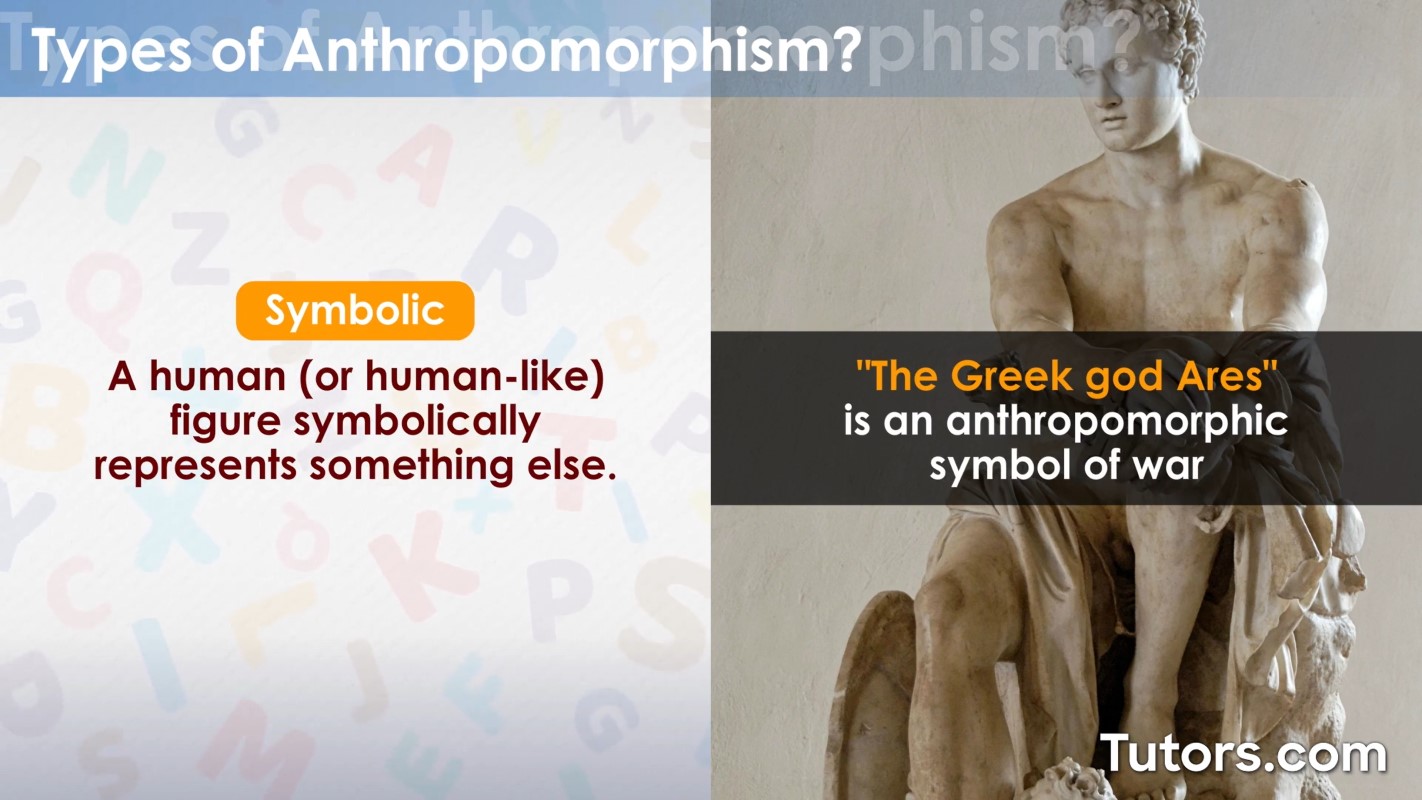
Anthropomorphism—the attribution of human traits, emotions, or intentions to non-human entities—has long fascinated psychologists and cultural theorists alike. More recently, this concept has intriguing applications in the realm of coworking spaces, environments that uniquely blend social interaction with professional productivity. Does anthropomorphism within these shared workspaces enhance the user experience, foster stronger community bonds, or perhaps even boost efficiency? The exploration of this question reveals a multifaceted landscape where design, technology, and psychology converge.
The Psychological Underpinnings of Anthropomorphism in Work Environments
To understand the potential efficacy of anthropomorphism in coworking spaces, one must first delve into its psychological foundation. Humans possess a natural tendency to personify objects and technologies as a means of simplifying complex interactions and engendering emotional connection. This cognitive bias is not merely whimsical—it serves a functional purpose by enabling individuals to interact with unfamiliar systems more intuitively. In coworking spaces, this manifests through the design of objects or interfaces that seem to ‘respond’ or ‘communicate’ in human-like ways, providing comfort amid often transient, impersonal environments.
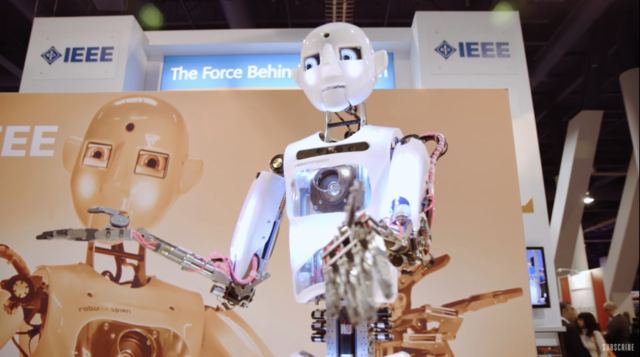
For example, AI-driven receptionists or virtual assistants designed to provide personalized greetings and responses provide a semblance of human presence. These interactions can reduce feelings of isolation that freelance workers or remote employees may experience. The attribution of human qualities to such technologies fosters engagement, trust, and even loyalty—elements critical to the success of communal workplaces.
Architectural and Spatial Design: Humanizing Physical Spaces
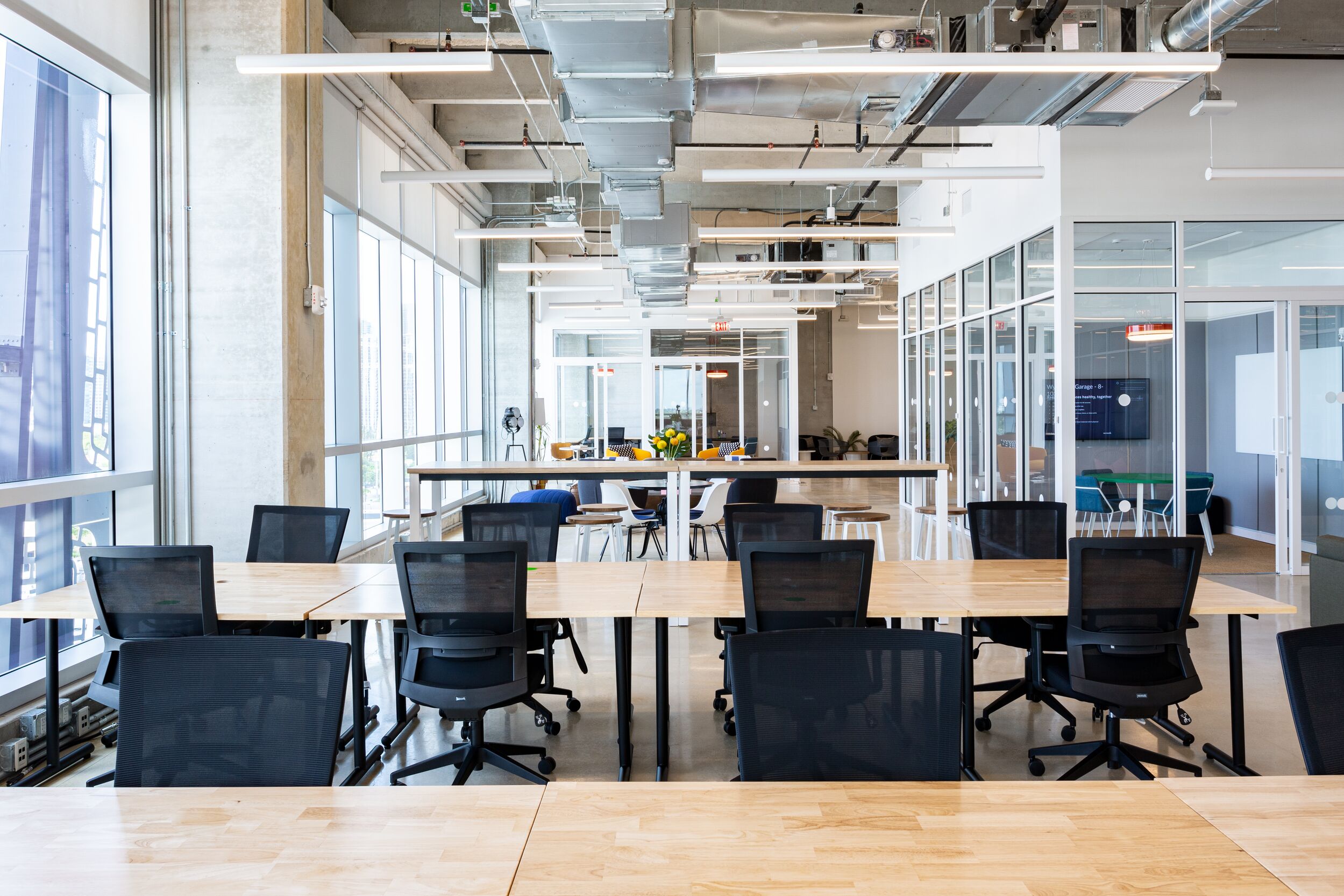
Beyond technology, anthropomorphism in coworking environments also extends to the very architecture and spatial arrangement of these settings. Designers often imbue physical spaces with qualities that resonate on a human level, incorporating shapes, colors, and layouts reminiscent of comfort and sociability. Curved lines that mimic organic forms, warm lighting that simulates natural daylight, and furniture arrangements encouraging dialogue all contribute to the ‘personality’ of a space.
The strategic use of these elements can transform cold, sterile offices into vibrant ecosystems that feel alive and welcoming. By doing so, spaces transcend their utilitarian purpose, becoming dynamic entities that support creativity and collaboration. This anthropomorphic design philosophy aids in crafting environments where users subconsciously perceive the space as an accommodating partner in their daily work routines.
Technological Interfaces and AI: Toward Social Workspaces
The integration of advanced technologies furthers the anthropomorphic essence of coworking spaces. Artificial Intelligence and machine learning tools are increasingly embedded in these environments, operating not only as functional aids but as social participants. These AI-driven systems can curate personalized experiences, adjust ambient conditions, or facilitate networking by recognizing user preferences and behaviors.
When technology exhibits human-like responsiveness and adaptability, it elevates the workspace from a static office into a socially intelligent environment. For instance, smart lighting that adjusts based on mood cues or digital assistants initiating casual check-ins simulate empathetic interactions—potentially alleviating stress and enhancing occupants’ well-being. These interactions do not just serve practical purposes; they imbue technological components with an emotional dimension, nurturing a sense of companionship and belonging among users.
Community Building Through Shared Anthropomorphic Experiences
At its core, coworking thrives on community—a collective driven by shared goals, yet enriched by individual diversity. Anthropomorphism can act as a catalyst in this social symbiosis by providing shared points of reference and interaction that feel relatable and engaging. When a space or device ‘acts’ with personality, members often adopt common narratives or rituals around these elements, weaving them into the fabric of their communal identity.
This shared anthropomorphic experience fosters cohesion and can reduce social barriers, particularly among strangers. It creates a form of informal social glue—offering an approachable ‘face’ for the space or technology, which can facilitate ice-breaking conversations and collaboration. The sense of a ‘living’ environment imbues the community with energy and continuity, a stark contrast to the anonymity often felt in traditional offices.
Challenges and Limitations: The Potential Pitfalls of Anthropomorphism
Despite its enticing benefits, the application of anthropomorphism in coworking spaces is not without drawbacks. Overreliance on human-like interaction in technology, for example, may lead to unrealistic expectations or frustration when systems fail to perform with genuine emotional understanding. Users might feel deceived or disillusioned if the anthropomorphic facade proves superficial.
Furthermore, cultural and individual differences impact how anthropomorphism is perceived and received. What evokes warmth and engagement in one demographic may be met with skepticism or discomfort in another. There is also a risk of diluting professional boundaries if spaces or tools appear overly ‘personal’ or intrusive, potentially undermining the balance between work focus and social interaction.
Future Directions: Evolving Anthropomorphism in Dynamic Workspaces
Looking ahead, the synergy between anthropomorphism and coworking spaces is poised to deepen, driven by advancements in technology and a growing appreciation for human-centric design. The emergence of augmented reality (AR) and embodied AI holds promise for creating even richer, more immersive interactions that blur the line between human and machine companionship in work settings.
Innovations might include virtual collaborators with nuanced social cues or environmental systems that adapt fluidly to group dynamics. As coworking evolves into a more holistic experience—blending work, social life, and wellness—the role of anthropomorphic elements will likely become more sophisticated, blurring traditional distinctions between the animate and inanimate.
Ultimately, anthropomorphism in coworking spaces challenges us to rethink how we relate to our environments and the tools we use. It offers a pathway toward more responsive, emotionally resonant workplaces—spaces that not only accommodate tasks but also nurture the human spirit at work.