In the realm of wildlife documentaries, one often encounters the peculiar yet captivating practice of naming individual wild animals. Viewers might wonder why filmmakers and narrators choose to assign specific names to creatures that roam vast and untamed landscapes, seemingly indifferent to human constructs. This phenomenon extends beyond mere storytelling technique; it reflects a myriad of psychological, cultural, and ecological intricacies that underscore humanity’s enduring fascination with the natural world. Naming wild animals in documentaries is not only a narrative device but a window into our collective psyche, revealing profound insights into how we relate to the wilderness and the beings that inhabit it.
Humanizing the Untamed: Building Emotional Bridges
The act of naming wild animals serves as a conduit for humanization, a means to traverse the vast chasm between human experience and the often inscrutable lives of wildlife. When a majestic lion is christened with a name like “Scar” or “Elsa,” viewers are invited to connect with the creature on an intimate level. This personalization transforms abstract concepts of survival and nature into relatable stories imbued with personality and emotional nuance.
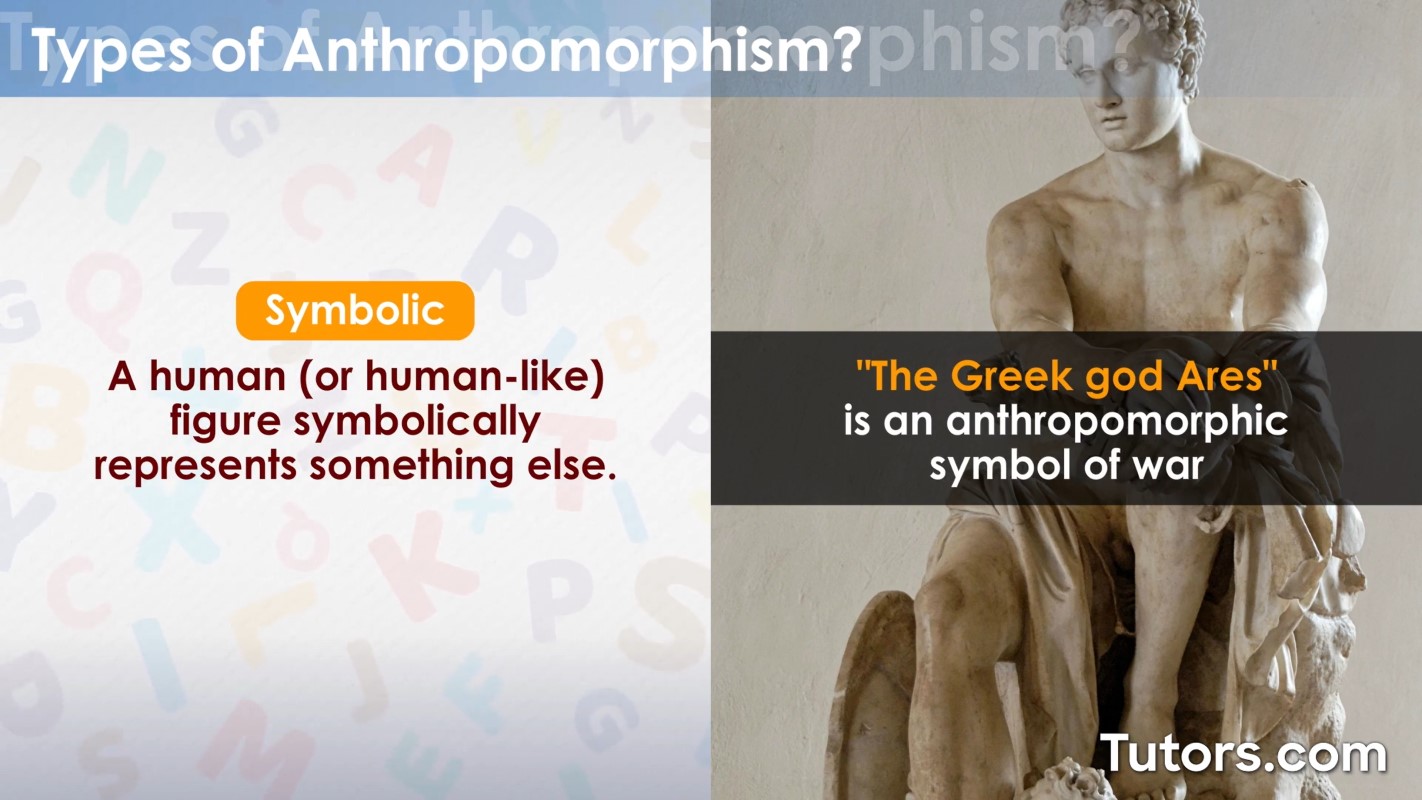
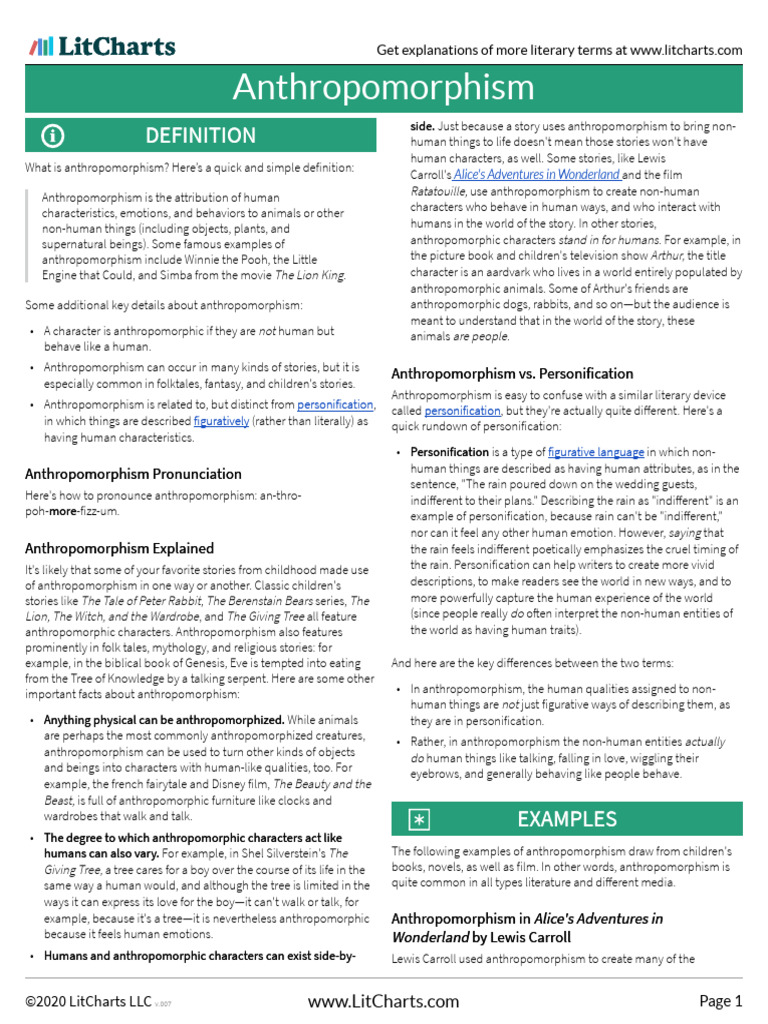
Such anthropomorphism is not merely sentimental but functional. It fosters empathy, encouraging audiences to perceive these animals not as faceless members of a species but as individuals with unique behaviors and personalities. This emotional bridge is pivotal in cultivating a deeper awareness and concern for conservation, as viewers become invested in the fate of animals they recognize and relate to.
Narrative Cohesion: Crafting Stories in the Wilderness
Documentaries inherently strive to narrate coherent and compelling stories. Naming wild animals imbues the sprawling, often chaotic expanse of nature with a semblance of narrative order. Each named animal becomes a protagonist, enabling the filmmaker to construct a storyline that is easier to follow and more engaging.
Without names, wildlife footage risks becoming a faceless chronicle of events—an impersonal observation rather than a gripping tale. The use of names fosters continuity, allowing audiences to track progress, witness relationships, and experience the tension and resolution embedded within the animal’s life cycle. This narrative cohesion enriches the viewing experience, making complex ecological dynamics digestible and memorable.
The Psychological Impulse to Name: Control and Comprehension
On a deeper psychological level, naming is a human impulse rooted in the desire to impose order on the unknown. Wild animals inhabit domains that are intrinsically unpredictable and often inscrutable to human understanding. Assigning names to them functions as a cognitive anchor, a way to classify and comprehend the intricate webs of behavior and interaction that pass through the natural world.
This act of naming confers a sense of familiarity and, paradoxically, control. While humans cannot dominate wild nature, the practice of naming exerts a subtle form of dominion through knowledge and recognition. It diminishes the intimidating vastness of wilderness by transforming anonymous beings into identifiable subjects, fostering a sense of closeness and manageability.
Conservation Catalyst: Names as Symbols of Protection
Giving individual animals names often transcends storytelling, becoming a powerful symbol in conservation efforts. Named animals can morph into flagships for their species, embodying the plight of their ecosystems in a manner that statistics or generic references never could. These iconic individuals galvanize public support, fundraising, and advocacy.
When a documentary features “Hope” the elephant or “Shadow” the wolf, these creatures become emotive touchstones. They symbolize broader environmental themes such as habitat loss, poaching, or climate change. Their named identities personalize abstract threats, mobilizing viewers to engage with conservation initiatives through a more intimate emotional lens.
Cultural and Mythological Resonance: Naming as Storytelling Tradition
The practice of naming animals is steeped in cultural and mythological precedents that stretch back millennia. Across various indigenous traditions and ancient folklore, animals are often endowed with names and characters to explain natural phenomena, convey moral lessons, or establish a spiritual connection between humans and the ecosystem.
Modern documentaries echo this tradition, consciously or unconsciously weaving contemporary wildlife narratives into the rich tapestry of human storytelling. By naming wild animals, filmmakers tap into a collective cultural memory that views animals not merely as biological entities but as symbolic archetypes, messengers, or kin. This imbues the documentary with layers of meaning that resonate beyond the scientific and observational, fostering a profound, almost mythic engagement with the subjects.
Enhancing Memory and Engagement: Cognitive Accessibility
From a cognitive perspective, named animals are more memorable. Names function as mnemonics, aiding information retention and recall. When viewers remember “Luna” the snow leopard instead of just an anonymous feline figure, the narrative and its attendant lessons linger longer in the mind.
This enhanced engagement extends beyond the screen. Named animals foster discussion, social sharing, and personal reflection. They invite viewers to become part of an unfolding story — one that bridges the divide between passive observation and active participation. In this way, naming serves as a pedagogical tool, enhancing the documentary’s impact and reach.
Ethical Considerations: The Balance Between Objectivity and Intimacy
While naming wild animals offers numerous benefits, it also invites ethical scrutiny. There is a delicate balance between fostering empathy and inadvertently imposing human biases onto animal behavior. The anthropocentric tendency to project emotions or intentions can obscure scientific accuracy, leading to misconceptions about natural processes.
Skilled documentary makers navigate this tension by contextualizing names within factual frameworks, ensuring that empathy does not give way to distortion. Responsible naming acknowledges animal agency while maintaining respect for their wildness and complexity. This balance enriches the documentary’s authenticity and preserves the integrity of its educational mission.
The Future of Naming in Wildlife Documentaries
As technology advances, with innovations like AI-driven tracking and individual identification, the practice of naming wild animals is poised to evolve. These tools will enable even more precise monitoring, facilitating stories grounded in real-time data and verified identities. This could deepen the symbiosis between narrative and scientific exploration, elevating the role of named animals as both storytellers and indicators of ecological health.
Moreover, burgeoning ethical conversations around wildlife representation may reshape naming conventions, fostering approaches that emphasize respect, cultural sensitivity, and inclusivity. The future promises a richer, more nuanced dialogue between humans and the wild, with naming continuing to serve as a vital bridge.
Ultimately, naming wild animals in documentaries encapsulates a profound human endeavor: to connect, understand, and protect the natural world. It is more than a storytelling flourish; it is a mirror reflecting our hunger for connection and meaning amidst the vast wilderness.