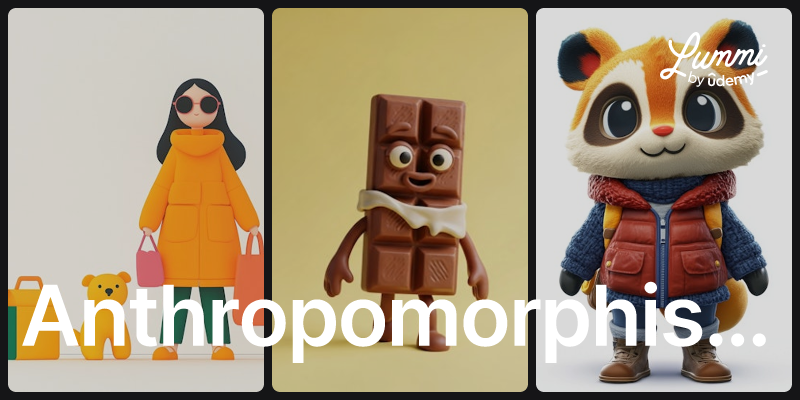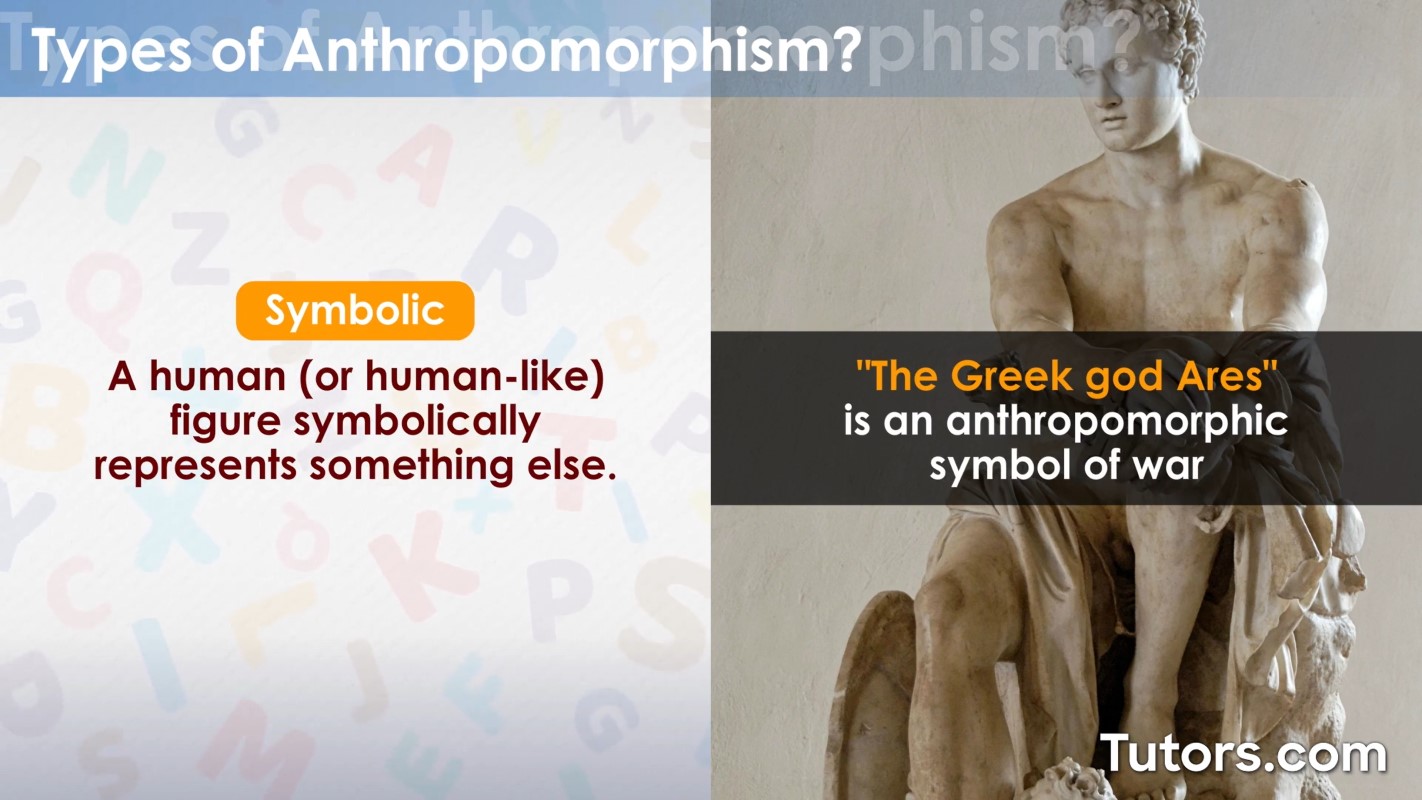
Have you ever wondered why humans so readily imbue objects, animals, or abstract concepts with human traits—sometimes to the extent that reality seems to blur? This intriguing inclination is known as anthropomorphism, a cognitive and emotional phenomenon deeply woven into our psyche. Yet, when does this common human tendency transcend playful imagination and enter the realm of psychological complexity, particularly within delusional disorders? Exploring the role of anthropomorphism in such disorders unveils a compelling challenge: distinguishing between benign symbolic thinking and manifestations that disrupt one’s grasp on reality.
The Cognitive Foundations of Anthropomorphism
Anthropomorphism springs from an innate cognitive framework that compels individuals to interpret the world through a human lens. This framework aids in making sense of ambiguous stimuli, translating environmental cues into familiar narratives. By attributing intentions, emotions, or consciousness to non-human entities, the mind bridges gaps in understanding. While this mechanism fosters empathy and connection—qualities vital for social cohesion—it can also set the stage for cognitive distortions.
The human brain’s propensity for pattern recognition and agency detection exacerbates this tendency. Known as hyperactive agency detection, this facet of cognition triggers perceptions of purposeful action behind non-intentional events. For many, the line between metaphorical thinking and literal interpretation remains clear. However, in some scenarios, particularly within psychopathology, this boundary becomes porous.

Anthropomorphism Crossing into Psychopathology
Delusional disorders are characterized by fixed, false beliefs that resist reason or contradictory evidence. Anthropomorphism may serve as a fertile ground for such beliefs when the mind excessively personalizes external phenomena. Consider, for example, an individual convinced that their surroundings—inanimate objects or animals—are actively conspiring against them or conversing with them. This leap from symbolic attribution to delusional conviction highlights a profound disruption in cognitive processing.
In some delusional manifestations, anthropomorphic attributions are not merely quaint or poetic but intensely pervasive and distressing. The delusional patient may perceive intricate human-like intentions behind mundane occurrences. Such elaborately anthropomorphized constructs can form the core of persecutory, referential, or grandiose delusions. The transformation from flexible metaphor to rigid belief presents significant clinical challenges, particularly in differentiating imaginative thinking from pathology.
Neuroscientific Perspectives on Anthropomorphism in Delusions
Advances in neuroimaging and cognitive neuroscience illuminate how certain brain regions mediate anthropomorphic thinking and delusional content. The temporoparietal junction, medial prefrontal cortex, and the posterior superior temporal sulcus are implicated in theory of mind—the capacity to attribute mental states to others. Dysregulation in these areas may exacerbate an individual’s tendency to imbue non-humans with human characteristics excessively.
Moreover, aberrant salience attribution mechanisms, often associated with dopaminergic dysregulation, may amplify the significance of perceived human-like signals in the environment. The brain’s over-interpretation of stimuli, combined with impaired reality testing, fosters a fertile ground for anthropomorphic delusions. This neurobiological interaction underscores the complexity and multifactorial nature of such psychopathological phenomena.
Anthropomorphism’s Role in Specific Delusional Syndromes
Within the categorization of delusional disorders, certain syndromes vividly illustrate the role of anthropomorphism. Capgras syndrome, where the afflicted believes close acquaintances have been replaced by impostors, sometimes extends to objects or pets perceived as “impostors” themselves. Here, the anthropomorphic valuation of entities creates a distorted sense of identity and intentionality.
Similarly, in delusional parasitosis, individuals insist that insects or bugs have human-like malevolent motives targeting them, despite contrary evidence. The attribution of agency and complex intentions to these parasitic entities is a hallmark anthropomorphic error turned pathological. These cases exemplify the challenge clinicians face: addressing beliefs deeply entrenched in anthropomorphic misattributions that compromise functionality and wellbeing.
Therapeutic Challenges and Approaches
Addressing anthropomorphic delusions requires nuanced clinical strategies that acknowledge their cognitive and emotional substrates. Conventional antipsychotic treatments may alleviate some symptoms by modulating neurochemical imbalances. However, therapeutic success often hinges on integrating cognitive-behavioral techniques that gently dismantle anthropomorphic misinterpretations without invalidating the patient’s experience.
Encouraging reality-testing exercises, fostering metacognition, and gradually introducing alternative explanations can help recalibrate distorted beliefs. Yet, the inherently human comfort found in anthropomorphism complicates interventions. Patients may resist relinquishing these beliefs, which often serve psychological functions such as coping with loneliness or existential anxieties. Navigating this delicate terrain demands empathic rapport and tailored psychoeducation.
The Cultural Dimension and Its Clinical Implications
Anthropomorphism is not merely an individual cognitive quirk but is deeply embedded in cultural narratives worldwide. Myths, folklore, and religious doctrines frequently ascribe human qualities to animals, natural phenomena, and divine entities. This widespread embedding sometimes blurs clinical boundaries when culturally sanctioned beliefs resemble delusional thought patterns.
Clinicians must differentiate between culturally normative anthropomorphic expressions and pathological delusions to avoid misdiagnosis. Understanding the cultural context enriches diagnostic accuracy and treatment alignment. Moreover, culturally sensitive interventions can leverage familiar anthropomorphic motifs therapeutically to gradually guide patients toward healthier cognitive frameworks.
A Reflective Challenge: When Does Imagination Become Impairment?
The interplay of anthropomorphism and delusional disorders compels us to reflect on a profound question: when does the creative human impulse to animate the inanimate cross the boundary into cognitive dysfunction? The challenge lies in recognizing the spectrum where imagination enriches human experience, and where it becomes a disruptive force that hampers reality engagement.
Perhaps embracing this challenge will refine our understanding not only of psychopathology but also of the very human essence that seeks connection and meaning beyond the tangible world. By delineating the contours of anthropomorphism within delusional disorders, we deepen insights into both the marvel and the vulnerability of the mind.