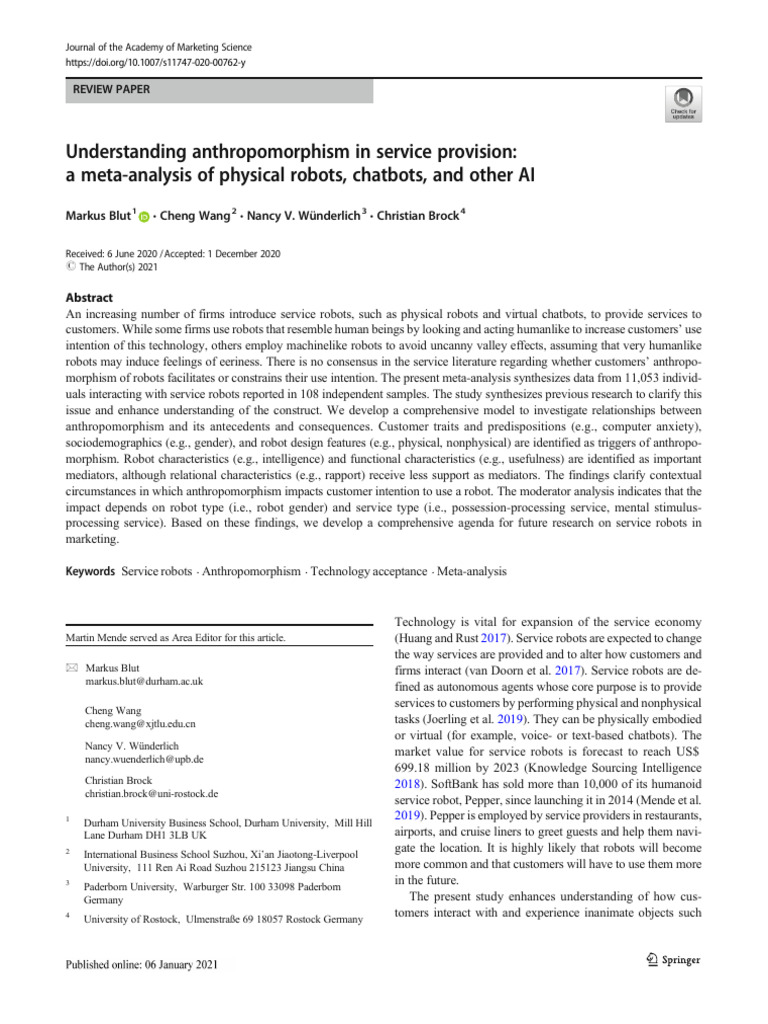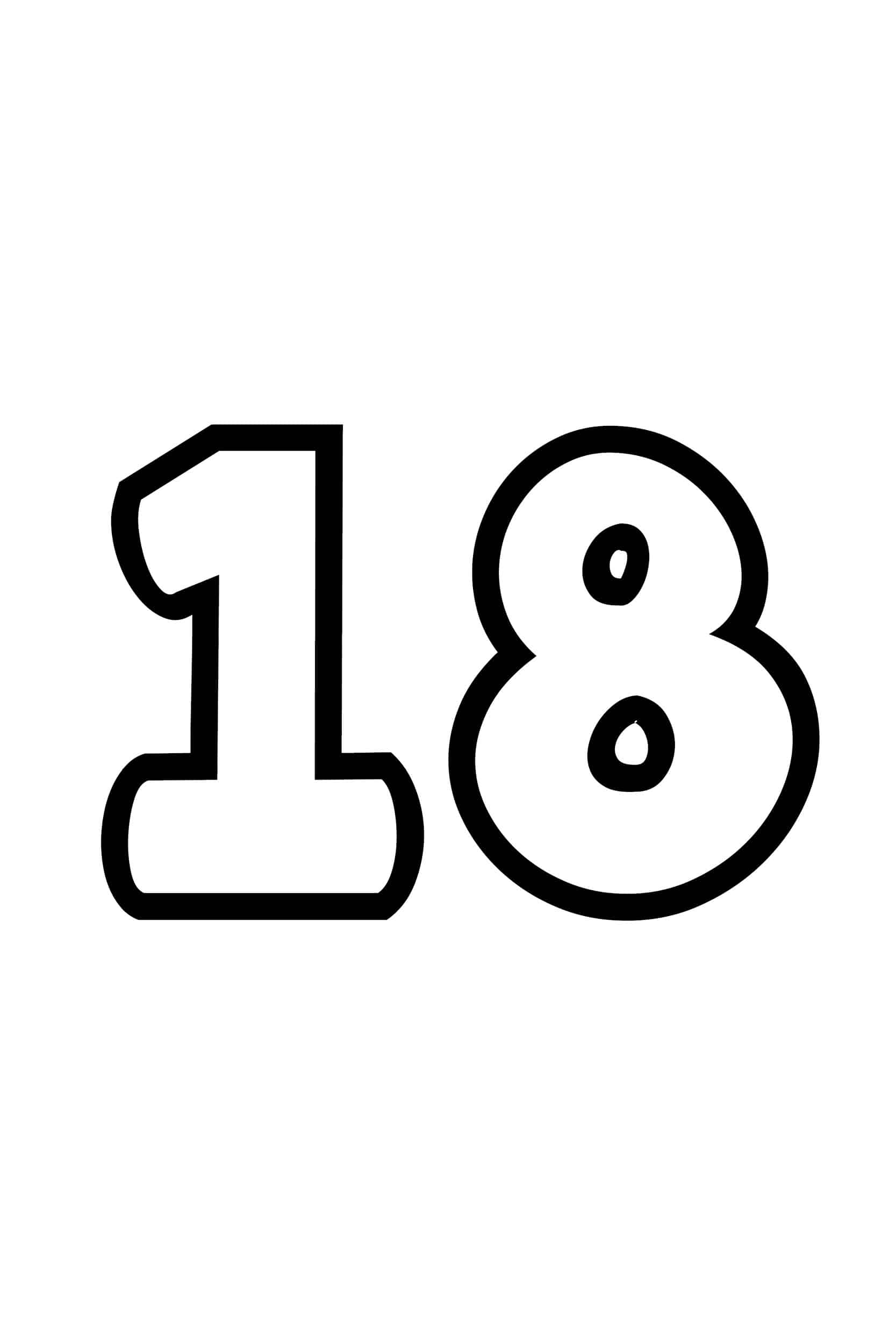
Language is a fascinating construct, a tapestry woven from varied threads of meaning, perception, and cultural significance. One intriguing term that often provokes thought and curiosity is “anthropomorphous,” which refers to attributing human characteristics and behaviors to non-human entities, be they animals, inanimate objects, or abstract concepts. This linguistic dive explores 18 synonyms and antonyms of “anthropomorphous,” elucidating the rich landscape of human language that captivates our imagination.
Understanding Anthropomorphism
Before delving into synonyms and antonyms, it is vital to contextualize anthropomorphism within the broader spectrum of human psychology and culture. Humans have a deep-seated affinity for perceiving the world through a human-centric lens. From childhood stories featuring talking animals to advertisements showcasing friendly products, anthropomorphizing allows us to connect emotionally with the world around us. This tendency not only reflects our desire for companionship but also serves as an allegorical framework through which we interpret complex concepts.
Synonyms for ‘Anthropomorphous’
1. Humanlike – This term encapsulates the essence of anthropomorphic attributes, emphasizing the likeness or resemblance to human behaviors, traits, or appearances.
2. Personified – A powerful word, “personified” suggests that something non-human has been endowed with human traits, emotions, or actions. This term often appears in literature and art.
3. Sentient – While slightly broader, this term conveys the ability to perceive and feel, often used to describe entities that may possess human-like awareness.
4. Hominal – An uncommon synonym, “hominal” derives from the Latin “homo,” meaning man, and captures the essence of human traits attributed to non-human entities.
5. Anthropoidal – Typically used to describe organisms resembling humans, “anthropoidal” suggests features, behaviors, or forms reminiscent of human anatomy and behavior.
6. Humanized – To humanize something involves making it relatable through human qualities, an essential aspect of storytelling and effective communication.
7. Impersonated – This term is often utilized in narrative contexts, denoting the act of taking on the characteristics or behaviors of a human being, particularly in fiction or allegory.
8. Represented – While generic, “represented” can imply that a non-human subject is depicted in a manner that conveys human-like qualities or actions, enhancing our understanding.
Each synonym sheds light on a unique aspect of anthropomorphism, allowing for a versatile usage across various domains—from literature to psychology. These terms underscore humanity’s intrinsic desire to relate to the non-human world, often simplifying complex ideas into digestible narratives.
Antonyms for ‘Anthropomorphous’
While synonyms help us explore the concept of anthropomorphism, antonyms anchor the discussion by presenting contrasting meanings, presenting clarity in language.
1. Non-human – A straightforward antonym, “non-human” explicitly denotes anything outside the realm of humanity, emphasizing the absence of human characteristics.
2. Inanimate – This term refers to objects devoid of life or human attributes, such as stones or machines, highlighting a lack of agency or emotional capacity.
3. Mechanical – Often used to describe entities governed by logical processes rather than emotional or human-like interactions, emphasizing a stark absence of sentience.
4. Abstractive – This term suggests concepts that are detached from the tangible world, lacking form, function, or human-like attributes.
5. Unpersonified – A direct antonym that denotes entities lacking any human attributes, emphasizing a clear distinction from those that are personified or humanlike.
6. Objectified – When something is objectified, it becomes a mere item stripped of emotional or human-like attributes, often used in discussions about empathy.
7. Impersonal – This term highlights a lack of personal connection or emotional engagement often found in non-human entities or situations.
8. Abstract – Referring to notions that cannot be directly attributed to human-like characteristics, “abstract” emphasizes the conceptual rather than the relatable.
These antonyms serve not only to delineate the boundaries of anthropomorphism but remind us of the significance of contrast in understanding complex linguistic concepts. The juxtaposition of human-like and non-human attributes forces us to engage in thoughtful considerations about our relationships with various entities.
The Fascination with Anthropomorphism
The allure of anthropomorphism and the associated vocabulary lies in its deep psychological implications. Why do we find comfort in giving voices to our pets or imagining them as human companions? Why are fictional characters—be they animals or objects—so relatable? The answer may lie in our fundamental need for connection, understanding, and companionship in a world that can often feel isolating.
The linguistic exploration of synonyms and antonyms of “anthropomorphous” opens a gateway to understanding more profound social dynamics and psychological nuances. Through this exploration, we gain insight into how language mediates our experiences, shaping our perceptions and interactions with both the living and inanimate elements of our surroundings.
As we delve into language, let us acknowledge the profound depth that words carry. The nuanced relationships between synonyms and antonyms for terms such as “anthropomorphous” enrich our understanding of human experience and the ways we define our realities. In the end, this linguistic journey encourages us to embrace the multifaceted nature of communication, inviting a deeper appreciation for the nuances that words encapsulate.