Anthropomorphism—a term that might roll off the tongue yet carries within its syllables a wealth of complexity—serves as a linguistic and imaginative elixir that bridges the chasm between humanity and the inanimate. By attributing human traits, emotions, and intentions to non-human entities, anthropomorphism beckons us to engage with the world in ways both whimsical and profound. Yet, as enchanting as this concept may seem, it is also a source of contention among scholars, artists, and everyday individuals alike. This article delves into the intricacies of anthropomorphism, exploring its implications, its pervasive presence in our discourse, and the engaging debates that surround it.
The Origins of Anthropomorphism
To embark on a journey through anthropomorphism, we must first understand its etymology. Deriving from the Greek words anthrōpos (human) and morphe (form), anthropomorphism encapsulates the essence of projecting human characteristics onto non-human objects, animals, or even abstract concepts. From ancient myths where gods were often depicted with human emotions to modern storytelling where talking animals impart wisdom and humor, anthropomorphism has been a crucial thread woven into the fabric of culture.
The Allure of the Anthropomorphic
What fuels our inclination to anthropomorphize? One could postulate that in a world that can often feel overwhelming, the act of imbuing inanimate objects and animals with human qualities allows us to establish connections, a fundamental trait in our species. This practice often dissolves barriers, inviting empathy and reminiscent warmth. Consider a beloved cartoon character, a talking dog perhaps—through anthropomorphism, the mundane becomes extraordinary. Such narratives resonate with us, imbued with relatable humor, joy, and even sorrow. Our laughter echoes, not just at the antics portrayed, but at a perceived reflection of ourselves.
The Functionality of Anthropomorphism in Communication
Beyond mere whimsy, anthropomorphism serves as a potent rhetorical device. It empowers speakers and writers, transforming abstract ideas into palpable experiences. For instance, describing the economy as “feeling robust” or “ailing” allows us to visualize and relate to what might otherwise be an esoteric subject. This figurative language offers clarity in complexity, rendering the abstract more accessible. Accordingly, individuals from various disciplines—writers, marketers, educators—leverage anthropomorphism to evoke emotions, enhance retention, and cultivate relatability.
Anthropomorphism in Popular Culture
The pervasiveness of anthropomorphism in popular culture cannot be overstated. From critters with voices in animated films to animated emojis in digital communication, our daily lives are punctuated with anthropomorphized elements. Take Aesop’s Fables, where animals embody human virtues and vices, illustrating moral lessons. These tales endure, transcending time and cultural barriers, proving the remarkable durability of anthropomorphism in teaching and entertainment.
The Psychological Implications of Anthropomorphism
Interestingly, the psychological ramifications of anthropomorphism delve deeper than mere enjoyment. Engaging with anthropomorphic characters can foster prosocial behaviors, prompting individuals to exhibit altruism and kindness. Studies indicate that people who empathize with anthropomorphized animals experience an enhancement in emotional understanding and moral reasoning. This kind of engagement can foster a greater environmental consciousness as individuals relate to animals, perceiving them as sentient beings rather than mere objects of nature.
The Pitfalls: When Anthropomorphism Misguides
Despite its enchanting allure, anthropomorphism is not without pitfalls. Detractors argue that attributing human traits to non-human entities can lead to misunderstandings, particularly in scientific discourse. For instance, the characterization of animals as “thinking” or “feeling” beings can obscure biological realities, misrepresenting findings and perpetuating fallacies. Likewise, romanticizing nature through anthropomorphic lenses risks oversimplifying the complexities of ecosystems, hindering sound conservation strategies.
The Ethical Conundrum
The ethical ramifications of anthropomorphism also merit consideration. As we navigate our relationships with nature and non-human entities, anthropomorphism can sometimes blur the lines of ethical treatment. Are we justifying inhumane practices by perceiving animals as extensions of ourselves, rather than recognizing their intrinsic value? This philosophical quandary challenges us to critically evaluate our attitudes and behaviors towards animals, urging us to cultivate a more nuanced understanding of their existence.
The Evolving Narrative of Anthropomorphism
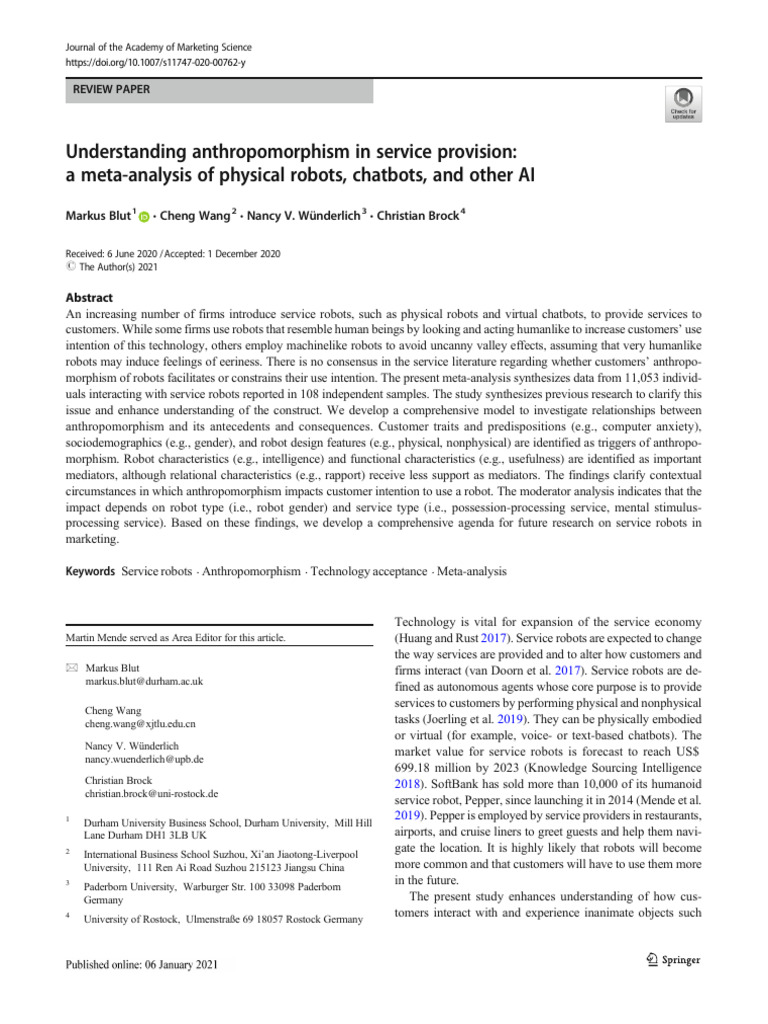
As society progresses, the narrative surrounding anthropomorphism continues to evolve, raising new questions and ideas. In a world increasingly shaped by artificial intelligence and robotic technology, the anthropomorphism of machines invites fresh dialogue. Is it responsible to ascribe human qualities to autonomous systems, or does this foster an illusory bond that could lead to ethical dilemmas? The evolving nature of technology compels us to rethink anthropomorphism in contexts where it intersects with future innovation.
Conclusion: The Inescapable Debates
In summary, anthropomorphism serves as a fascinating lens through which we can examine humanity’s relationship with the world. It captures our imaginations and informs our emotions while provoking critical discussions about ethics and understanding. As we navigate this intricate landscape, the anthropomorphic debates remind us that we are all storytellers, creating narratives that reflect not only the world around us but also our place within it. Ultimately, the “A-word” we can’t stop arguing about is a testament to our enduring desire to connect, empathize, and comprehend the myriad forms of existence that surround us.