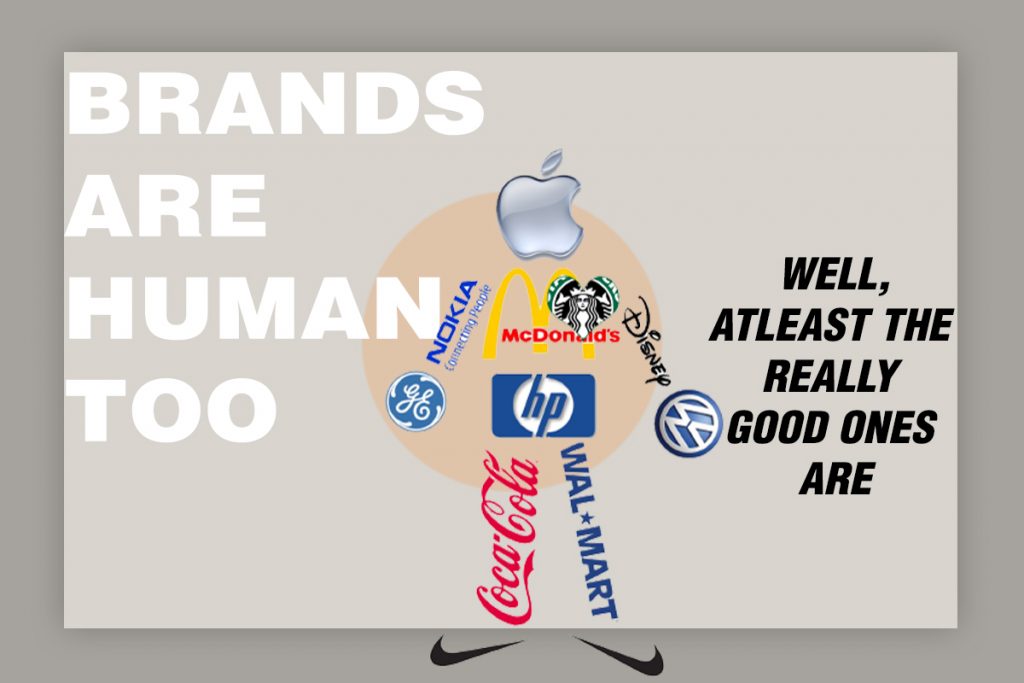
Runway shows have long been a dazzling constellation of human creativity, where fabric and form converge to narrate stories beyond mere apparel. Anthropomorphism—the ascription of human traits, emotions, or intentions to non-human entities—has subtly infiltrated this vibrant cosmos, casting a transformative spell on the fashion narrative. This enigmatic fusion between humanity and artifice bestows runway spectacles with a singular allure, evoking not only awe but a deeper dialogue about identity, emotion, and the synthetic soul of style itself.
The Genesis of Anthropomorphism in Fashion
Since the dawn of civilization, humans have projected their own essence onto the objects they craft and cherish. In fashion, this impulse metamorphosed into garments that do not just clothe but perform, resonating with an almost lifelike dynamism. The runway becomes a stage where clothing attains sentience, as if garments breathe, stride, and emote through the models’ very presence. Anthropomorphism here is not merely decoration; it is a conduit, a linguistic device translating textile into a living lexicon of human experience.
Garments as Animated Entities: The Metaphorical Alchemy
To envision clothing as an extension of the human form is to engage in metaphorical alchemy. A sculptural coat may ripple like liquid metal, a dress may bloom like a hybrid flower, and accessories take on roles akin to appendages or armor. This transformation infuses the runway with a surreal energy—the clothes are no longer inert but protagonists in a theatrical rite. It’s as if the fabric is a second skin imbued with thoughts and feelings, turning the catwalk into an arena where the corporeal and the abstract converse in whispered textures and fluid silhouettes.
Animating the Runway: Movement and Expression
Movement serves as the vital heartbeat animating anthropomorphic fashion on the runway. Models become avatars, vessels charged with enigmatic personas manifesting through their stride and posture. The garments shift and undulate with lifelike grace, eliciting the sensation that the clothes themselves are dancing entities—sentient creatures fashioned from thread and imagination. This deep interrelationship transforms the runway from a mere display to a choreographed narrative, where fabric and flesh coalesce into a symphony of motion and meaning.
Psychological Resonance and Viewer Engagement
Anthropomorphism in runway presentations taps into a primal wellspring of psychological resonance. Humans instinctively seek connections, empathy, and meaning. When clothing appears to possess emotion or intention, it bridges the gap between observer and object, fostering an intimate interaction. Spectators are drawn into a dialogue that transcends the visual; the fashion becomes a mirror reflecting internal states or social archetypes. This dialogic exchange enriches the viewing experience, transforming passive observation into an active, almost participatory event.
Technological Augmentation: Breathing Life into Fabric
The advent of technology infuses anthropomorphism with unprecedented possibilities. Smart textiles, interactive LED embellishments, and responsive materials act like the nervous system of these sartorial beings. Runway creations now pulse with light, react to movement, and sometimes even vocalize, enriching their persona with layers of sensory engagement. This technological symbiosis elevates garments beyond static art to dynamic ecosystems, inviting audiences to rethink the boundaries between human and artifact in a digital age.
Cultural Implications: Myth, Identity, and Narrative
Anthropomorphism on the runway resonates deeply with cultural mythologies and the human penchant for storytelling. Collections frequently summon folklore, animalesque spirits, or anthropoid deities, weaving cultural memory into the fabric of contemporary fashion. This imbues the runway with mythopoetic gravitas—garments become talismanic figures encapsulating collective identities or subverting conventional norms. The anthropomorphic element thus operates not just aesthetically but socio-politically, challenging or reinforcing cultural paradigms through embodied symbolism.
Challenges and Critiques: When Metaphor Meets Reality
Despite its enchantment, anthropomorphism in runway shows is not without its complexities. The projection of humanity onto clothing can sometimes obscure or complicate ethical considerations, such as the alienation of the human model beneath layers of conceptual abstraction. Critics argue that in the quest for otherworldly spectacle, the essence of human individuality risks being subsumed or commodified. Furthermore, the over-reliance on metaphor can occasionally detract from practical design, creating garments that dazzle conceptually but falter in wearability or accessibility.
The Unique Appeal of Anthropomorphic Runway Shows
The singular charm of anthropomorphism lies in its blurring of boundaries—the ephemeral fusion of animate and inanimate, the poetic dialogue between human and object. This synthesis engenders a captivating tension that elevates runway shows from fashion exhibitions to immersive experiences. Audiences are not merely consumers of apparel but witnesses to a living parable, where every stitch and silhouette whispers a narrative of transformation, identity, and the delicate dance of existence itself. It is in this liminal space, where humanity and artifice entwine, that runway shows find their most profound and irresistible appeal.
Conclusion: The Future Trajectory of Anthropomorphism in Fashion
As cultural sensibilities evolve and technology advances, the footprint of anthropomorphism on the runway is poised to deepen. Future shows are likely to explore even more intricate forms of interaction between garment and wearer, pushing the envelope of what it means for fashion to be ‘alive.’ This trajectory promises to redefine not only aesthetic boundaries but also our philosophical relationship with the material world. In this ever-shifting dance of fabric and flesh, anthropomorphism remains a beacon—illuminating the runway with the indelible spark of life itself.