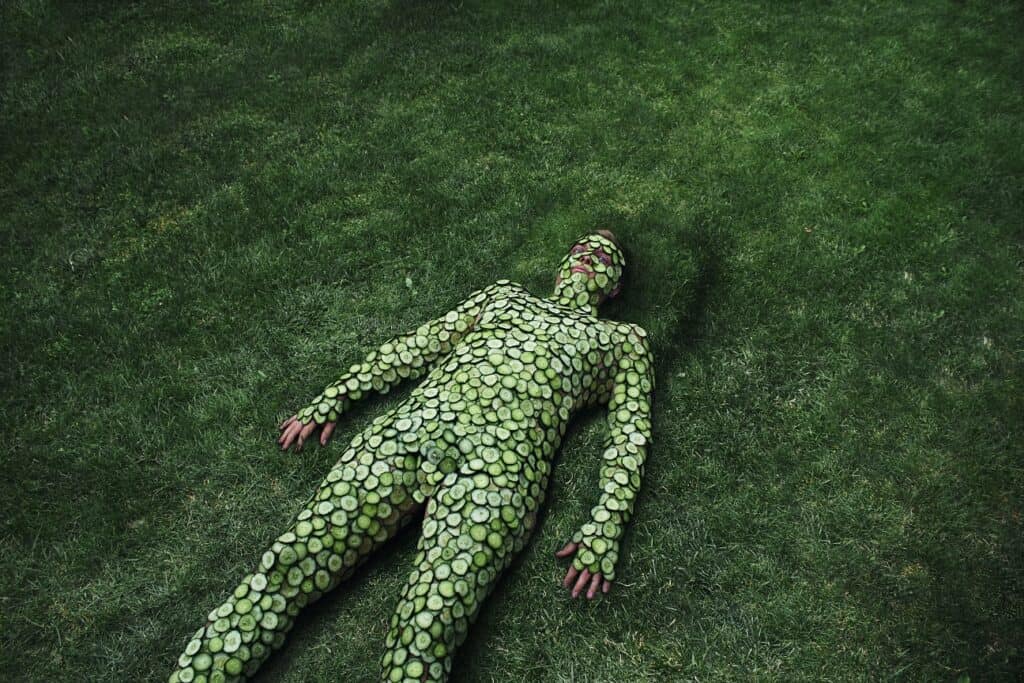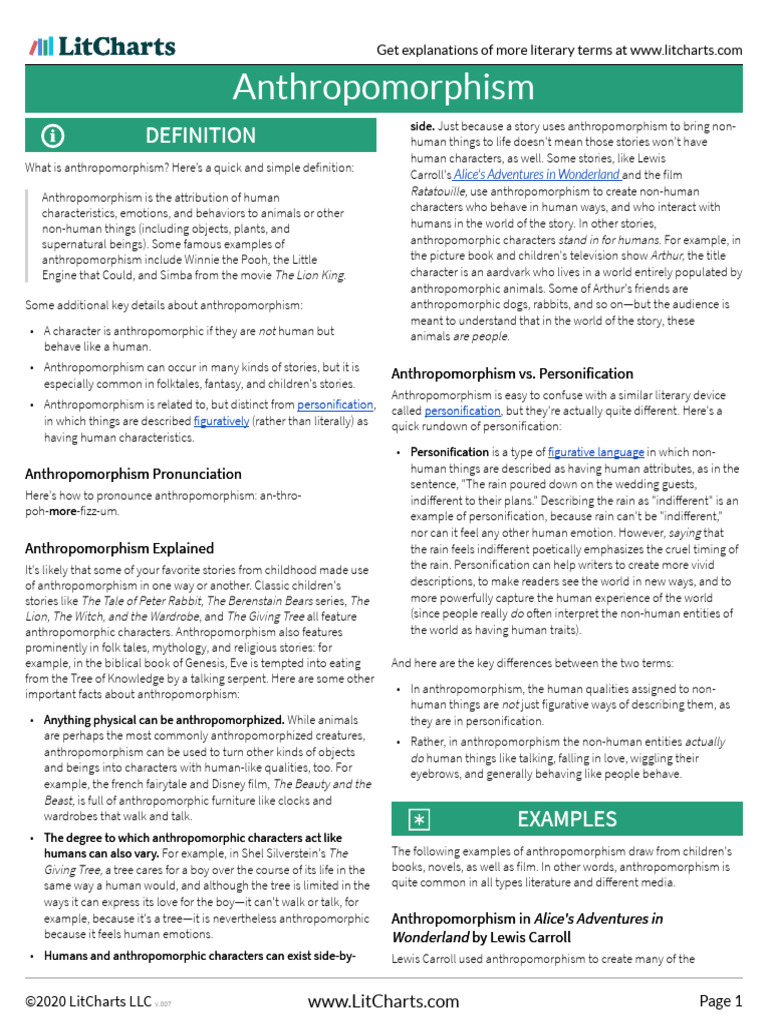
In the vast forest of marketing strategies, where countless campaigns wade through a sea of indifference, anthropomorphism emerges as a mighty oak—steadfast, distinctive, and deeply rooted in human psyche. By endowing brands or causes with human characteristics, this compelling technique breathes life into abstract ideas, transforming passive observers into engaged participants. This case study explores how anthropomorphism revolutionized an environmental campaign, turning the intangible urgency of ecological preservation into an intimate, relatable narrative.
The Spark of Empathy: Humanizing an Abstract Crisis
Environmental issues often languish in the shadow of complexity and detachment. Climate change, deforestation, and pollution are colossal challenges that hover over society like storm clouds—ominous yet seemingly distant. Anthropomorphism shattered this barrier by personifying the environment itself, giving a voice to silent trees, rivers, and endangered species. In this campaign, the forest was not just a backdrop; it became an eloquent protagonist with emotions, aspirations, and vulnerability. This nuanced portrayal urged audiences to perceive the environment not as a faceless entity but as a community of living characters, each deserving of care and respect.
The strategy was akin to breathing soul into a machine. By crafting characters that exhibit fear, hope, and resilience, the campaign tapped into intrinsic human sensibilities. People do not merely respond to facts—they resonate with stories. Recognizing this, the campaign wove narratives where a wilting tree might whisper fears of extinction or a stream shared tales of centuries past. Such empathetic appeals transcended conventional rhetoric, transforming ecological data into heartfelt dialogues that stirred public consciousness.
Designing the Living Symbols: Crafting Anthropomorphic Entities
Central to the campaign’s success was meticulous symbolic design. Each character was imbued with traits that reflected environmental challenges while capturing human-like idiosyncrasies. For instance, an ancient oak might exhibit the wisdom of age, burdened by scars yet steadfast; a playful river could embody the life force, undeterred by pollution but visibly strained. These entities wore emotions on their bark and waves, visually and narratively bridging the gap between nature and human empathy.
Visual aesthetics played a pivotal role. Artists combined realism with subtle exaggerations—eyes bright with apprehension, gestures pleading for help—crafting images that were neither caricatures nor coldly clinical representations. This delicate balance maintained credibility while enhancing relatability. The anthropomorphic designs were carefully calibrated to evoke an uncanny yet comforting familiarity, sparking both curiosity and emotional investment.
From Awareness to Action: Navigating the Psychological Pathway
The most profound impact of anthropomorphism lay in its capacity to catalyze behavioral shifts. By simulating conversations with “living” elements of nature, the campaign circumvented the mental fatigue often triggered by alarming scientific reports. Instead, it cultivated a sense of moral responsibility rooted in personal connection.
Psychological research underscores that anthropomorphic representations activate in-group biases and empathetic responses. This campaign elevated that principle to an art form. When a tree ‘speaks’ of its struggle, the abstract concept of deforestation becomes a tangible crisis involving a relatable character. Such framing alleviates psychological distance and harnesses emotional arousal—a prerequisite for proactive engagement.
Consequently, community participation surged. Volunteers no longer felt like faceless members of a movement; they became allies defending cherished companions. Donations and social sharing rose sharply, illustrating the transformation of passive awareness into dynamic action. The campaign successfully rewired public attitudes, turning environmental stewardship into a personal narrative rather than a distant obligation.
Challenges in Embodying the Environment
The journey was not devoid of hurdles. Anthropomorphism risks oversimplification—reducing complex ecological systems to individual entities with human traits sometimes flirts with misrepresentation. The campaign navigated this delicate terrain by integrating educational content within the narrative framework, ensuring that while characters were relatable, they also encapsulated scientific accuracy.
Moreover, cultural nuances shaped the reception of anthropomorphic figures. What appeared endearing or persuasive in one demographic might seem saccharine or trivial in another. To address this, the campaign deployed localized versions, tweaking characteristics and stories to align with cultural sensibilities and values. This granular customization preserved the universality of ecological concerns while respecting distinctive audience frames of reference.
Enduring Legacy: Anthropomorphism as a Catalyst for Environmental Advocacy
The reverberations of the campaign extended far beyond immediate metrics. By pioneering the use of anthropomorphism in environmental communication, it set a precedent for future initiatives. The approach fostered an ecosystem where emotional engagement, scientific literacy, and creative expression coalesced into a dynamic force for change.
This campaign underscored the power of storytelling as an agent of transformation. Anthropomorphism emerged not merely as a stylistic device but as a fundamental mechanism reshaping how society perceives and interacts with the natural world. It rekindled a sense of kinship with the environment, cultivating guardians rather than mere observers.
In a world beset by ecological uncertainty, this metaphorical bridge is more than symbolic—it is imperative. Anthropomorphism invites us to see through the eyes of nature, hear its silenced cries, and respond not with indifference but with heartfelt action. It transforms the environmental cause from a distant obligation to a shared human story, ever unfolding and deeply personal.