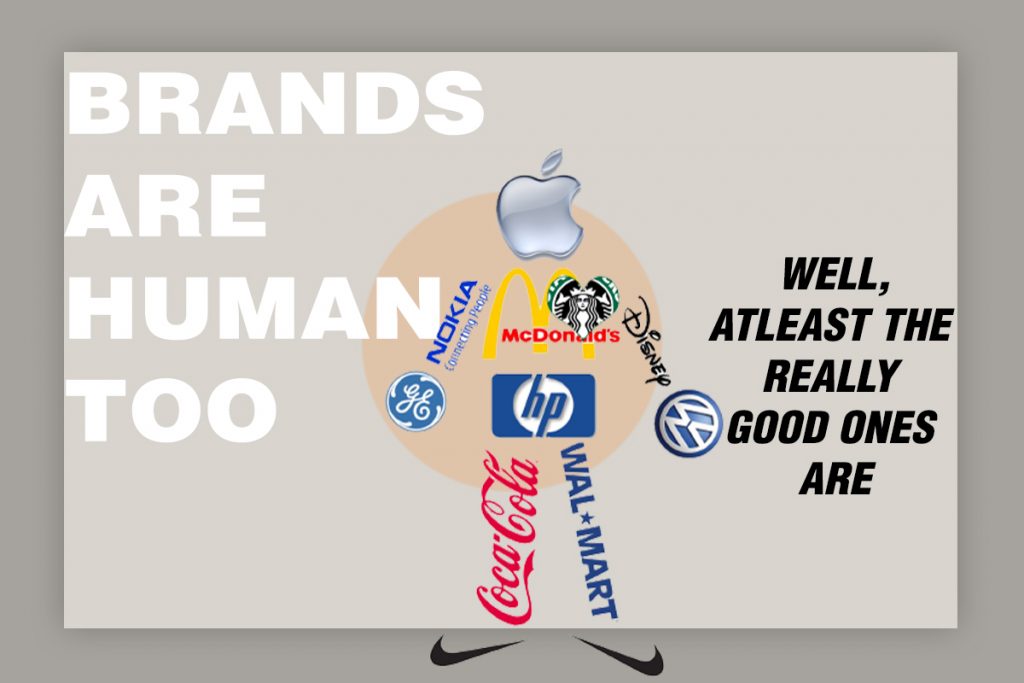
Anthropomorphism—the attribution of human traits, emotions, or intentions to non-human entities—is a prevalent tactic in marketing. It breathes life into brands, fostering deep emotional connections and relatable narratives. However, despite its apparent benefits, a surprising number of brands deliberately steer clear of this humanizing strategy. This avoidance unveils a fascinating paradigm shift in how brands perceive authenticity, consumer intelligence, and identity. Delving into the reasons behind this phenomenon unearths nuanced insights that challenge the conventional wisdom surrounding anthropomorphism in marketing.
Navigating the Complex Terrain of Brand Identity
At the heart of eschewing anthropomorphism lies a profound dilemma regarding brand identity. Certain brands cultivate a persona rooted not in human-like characteristics but in abstract ideals, technical excellence, or pure functionality. For them, assuming a human guise can constrict or dilute the essence they wish to project. For example, a high-end technology company may prefer a sleek, impersonal aura that signals precision, sophistication, and reliability rather than whimsically embodying human traits that could inadvertently invoke folly or fallibility.
Moreover, brands anchored in heritage or legacy often uphold a dignified distance from anthropomorphism. They aim to evoke reverence or historical grandeur, dimensions less compatible with playful humanization. In these cases, the brand’s voice is carefully curated to emanate authority or timelessness, aspects that anthropomorphic devices may undermine by infusing levity or frivolity.
Consumer Savviness and the Skepticism Effect
Today’s consumers are more discerning and skeptical than ever before. The widespread exposure to marketing gimmicks has engendered a critical eye toward emotional manipulation. Anthropomorphic branding, while intended to engage, sometimes risks triggering defensive reactions—seen as condescending or disingenuous attempts to “humanize” what is essentially a corporate entity.
This skepticism can catalyze a backlash rather than engender loyalty. When consumers perceive anthropomorphism as a veneer masking the brand’s true intentions, trust erodes swiftly. Thus, brands that avoid anthropomorphism often aim to cultivate transparency and straightforwardness, communicating their value propositions without the intermediary of humanized facades. This candid approach can resonate more authentically with a savvy audience, promoting a relationship based on respect rather than emotional persuasion.
Mitigating the Risk of Misinterpretation and Cultural Insensitivity
Embedding human traits into brands is fraught with the potential for misinterpretation. Human emotions and behaviors are intricate and culturally contingent. Anthropomorphic elements that resonate in one cultural context may perplex or alienate another. This complexity presents a significant risk for multinational brands whose marketing touches diverse demographics.
Moreover, the projection of human emotion or personality onto brands may cause confusion about the brand’s actual capabilities or intentions. For sectors requiring stringent professionalism—such as finance, healthcare, or law—remaining deliberately impersonal safeguards against misconceptions that could jeopardize credibility or legal standing. This cautious stance helps brands navigate the intricate socio-cultural web with precision, ensuring their message translates unambiguously across borders.
Preserving the Sanctity of Product Excellence and Innovation
Another compelling reason brands might eschew anthropomorphism is the aspiration to spotlight product excellence and innovation without distraction. When a brand becomes “human,” the focus can inadvertently shift to its personality or narrative, overshadowing the core attributes of quality and functionality.
For instance, a high-performance automotive brand may prioritize evoking awe through engineering mastery rather than friendly or whimsical characteristics. In this context, the narrative is one of power, precision, and advanced technology—dimensions that anthropomorphism could dilute by injecting a subjective “human” angle. Some brands want their products to speak for themselves, uncluttered by extraneous personification that could temper the perception of technological prowess.
Ethical Considerations and Avoidance of Manipulation
The ethical dimension of marketing often influences the decision to avoid anthropomorphism. As brands become increasingly accountable for their influence on consumer behavior, some consciously distance themselves from strategies that may be construed as manipulative. Humanizing a brand taps into deep emotional springs, potentially engendering subconscious biases and decisions that are not fully rational.
By declining to anthropomorphize, certain brands affirm a commitment to ethical transparency and consumer agency. They promote informed decision-making over emotional impulse, which can enhance long-term loyalty grounded in genuine satisfaction rather than manufactured attachment. This ethical calculus is especially pertinent in sectors dealing with vulnerable populations or critical choices, where exaggerated emotional appeals may be seen as exploitative.
Embracing Minimalism and Conceptual Abstraction
In a world saturated with anthropomorphic branding, some companies deliberately embrace minimalism and conceptual abstraction as a form of countercultural statement. Eschewing personification allows them to stand out by projecting a sense of sophistication, modernity, or avant-garde ethos.
This stylistic choice aligns with contemporary design philosophies favoring clean lines, symbolic imagery, and open-ended interpretation. Instead of prescribing a fixed “character,” these brands invite consumers to project their own meanings, fostering a more active and personalized engagement. This approach can engender intrigue and elevate the brand to an almost iconic or mythical status, unbounded by human limitations.
Conclusion: A Paradigm Beyond Personification
Rejecting anthropomorphism is not a rejection of emotional connection itself but rather a recalibration of how that connection is forged. By sidestepping humanization, these brands invite us to reconsider assumptions about relationship-building in marketing. They prompt curiosity about alternative pathways to resonance—ones founded on authenticity, respect for consumer intelligence, cultural sensitivity, product integrity, ethical transparency, and aesthetic innovation.
Far from diminishing engagement, this strategic abstinence can deepen it by honoring the complexity of both brand identity and consumer experience. It challenges marketers and audiences alike to explore subtler, more nuanced dialogues, where connection thrives without the crutch of anthropomorphic expression.